




Introduction
In today’s hyper-connected world, data is not just a resource—it’s the backbone of nearly every critical operation. Any data integrity or availability compromise can result in financial loss, reputational damage, and regulatory consequences. As organizations manage increasingly complex digital ecosystems, the ability to protect and recover data quickly is now a strategic imperative. As digital transformation accelerates, the resilience of an organization’s data infrastructure has never been more vital. With the growing sophistication of cyber threats, system outages, and data breaches, organizations must move beyond traditional defensive postures to implement holistic data security solutions that ensure uninterrupted business operations and protect sensitive information. Embedding resilience at every layer—from technical systems to people and processes—empowers organizations to respond to disruption with agility and confidence.
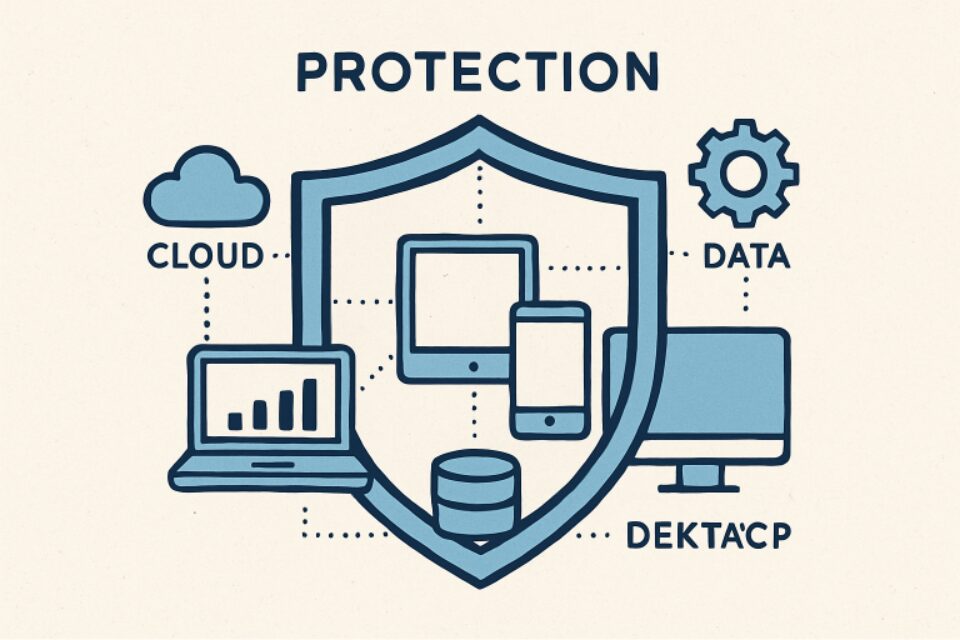
Adopting comprehensive data security solutions is foundational for modern enterprises. Such solutions provide robust protection against external and internal threats and enhance visibility, controls, and recovery speed, solidifying operational continuity. This article explores proactive strategies rooted in industry best practices and up-to-date research, helping organizations safeguard their most valuable digital assets.
Embedding Security from the Start
Resilient organizations prioritize security from the earliest stages of system and application development—a philosophy known as “Secure by Design.” This proactive approach embeds layered security controls, role-based access, and rigorous testing into the software development lifecycle. Unlike reactive strategies that rely on patching vulnerabilities after deployment, Secure by Design seamlessly integrates protection against evolving cyber threats at every development phase. Embedding security early lowers the risk of breaches, reduces remediation costs, secures critical workflows, and allows organizations to adapt swiftly to emerging threats.
Conducting Regular Risk Assessments
Frequent and thorough risk assessments are the backbone of any data resilience program. These evaluations go beyond identifying system weaknesses, encompassing risk factors such as cyberattacks, insider threats, hardware malfunction, and even natural disasters. Proactive risk management requires organizations to evaluate and prioritize their unique vulnerabilities and implement controls tailored to those risks. Actionable risk assessments enable IT teams to allocate resources more effectively and develop detailed mitigation plans, empowering organizations to anticipate, withstand, and recover from disruptions.
Implementing Comprehensive Employee Training
Despite technological advances, human error remains the most frequent cause of data breaches and operational disruptions. Continual employee training is a cornerstone of resilience, ensuring all staff understand cybersecurity best practices, such as how to spot phishing attempts, set complex passwords, and securely handle sensitive data. Programs should include interactive modules, regular refresher sessions, and real-world simulations to reinforce vigilance against evolving threats. Regular training strengthens the organization’s human firewall, minimizing the impact of social engineering and accidental data compromise.
Leveraging Artificial Intelligence for Threat Detection
Adopting artificial intelligence (AI) and machine learning in security operations is a game-changer for data resilience. AI-powered tools continuously scan large datasets and network activity, identifying abnormal patterns or behaviors indicative of a looming threat. Unlike manual security monitoring, AI systems enable rapid threat detection, enrichment, and prioritization, providing security teams with real-time actionable intelligence. Early intervention—powered by automation—dramatically limits the potential damage from a breach while reducing recovery costs and downtime.
Establishing Leadership Accountability
True resilience begins with leadership. When executives and board members take direct accountability for data and cybersecurity resilience, it signals organizational commitment from the highest level. Integrating these priorities into core business strategies ensures that resilience isn’t treated as a siloed IT concern but as a fundamental component of enterprise risk management. Appointing specific leaders—such as the CEO, CIO, or CFO—to oversee resilience initiatives clarifies decision-making, especially during high-pressure incidents. This structured oversight helps allocate the right resources, define clear roles, and accelerate response times in the face of threats.
Furthermore, when leadership actively aligns department goals with overarching resilience objectives, it builds a culture of shared responsibility. Measurable targets, continuous evaluation, and cross-functional collaboration reinforce a unified front. In this environment, resilience becomes part of the organizational DNA, preparing the business to respond confidently and recover swiftly from disruptions.
Developing a Comprehensive Incident Response Plan
An effective incident response plan (IRP) is essential to minimizing the impact and duration of unplanned disruptions. A robust IRP includes step-by-step communication protocols, containment tactics, legal and regulatory notification strategies, and detailed recovery blueprints. Equally crucial is ensuring that the plan is continuously updated, tested, and rehearsed through live drills so that when a real incident occurs, all stakeholders can act with coordination and speed. Thorough post-incident reviews also enable iterative improvement and resilience adaptation for future threats.
Utilizing Redundant Data Storage Solutions
Redundancy and backup strategies are essential safeguards in a comprehensive data protection plan, acting as the final barrier between organizations and catastrophic data loss. In today’s high-risk digital environment, successful organizations deploy multi-layered approaches, including geographically distributed backups, encrypted storage, and real-time data replication. These measures ensure that critical information remains accessible during a cyberattack, hardware failure, or natural disaster. By diversifying storage locations across different regions or cloud zones, businesses reduce the risk of a single point of failure. Encryption ensures that the data remains protected even if backups are accessed maliciously. Real-time replication enhances availability, enabling swift failover and seamless operations during outages. This proactive planning significantly improves recovery time objectives (RTO) and minimizes data loss, supporting uninterrupted service delivery and strengthening organizational resilience amid unforeseen disruptions.
Regularly Testing and Updating Security Measures
As the threat landscape rapidly evolves, so too must the defenses and protocols that guard organizational data. Ongoing penetration testing, third-party audits, and simulated attacks help reveal vulnerabilities in existing systems. Regular updates to firewalls, access controls, and monitoring tools are vital to address newly discovered threats. Staying current with industry intelligence ensures that security measures remain robust and agile, effectively protecting business assets in the face of tomorrow’s challenges.
By adopting these proactive strategies, organizations can transform their data security posture, minimize disruption risks, improve operational recovery, and cement a culture of trust and resilience in the digital era.
- TechTrendery.com: A Complete Guide to Technology, AI, Business and Digital Trends
- Jeroen Dik: Biography, JD Engineering, Automotive Tuning and Racing Career
- Osteopur: The Ingredients, Bone Health, Benefits, Safety, and What to Know
- Cbybxrf: Meaning, Origin, Feedback, Learning, and Digital Context
- Doujen Moe: Meaning, Background, Online Search Intent, and Digital Safety