




Table of Contents
- Understanding Managed Network Services
- Benefits of Managed Network Services
- Role in Digital Transformation
- Enhancing Security and Compliance
- Supporting Hybrid Work Environments
- Future Trends in Managed Network Services
- Choosing the Right Provider
- Conclusion
The evolution of the digital workplace is accelerating at an unprecedented pace, prompting organizations to adopt reliable and agile IT solutions. Among these, managed network services are at the forefront, transforming how businesses manage connectivity, collaboration, and cybersecurity. As digital environments grow more complex, companies recognize the value of entrusting their networks to experienced partners, allowing IT teams to focus on innovative projects rather than day-to-day maintenance.
Managed network services provide not just the technical tools but strategic expertise that aligns network resources with business outcomes. This shift has enabled organizations of all sizes to respond quickly to market changes, minimize disruptions, and achieve transformative growth. By leveraging managed services, businesses are redefining operational efficiency and supporting their distributed workforces across multiple locations or remote setups.
As more organizations pursue digital transformation, the adoption of managed network services is no longer seen just as a cost-saving measure but as a key driver of competitive advantage. These networks are now the backbone that supports robust connectivity, rapid cloud adoption, and next-generation solutions across industries—meeting the demands of the modern workforce while maintaining security and compliance.
The shift to managed network services is an investment in long-term agility and resilience. With the increasing reliance on cloud platforms and hybrid office setups, organizations that prioritize a modern network foundation are better equipped to innovate and grow. According to Cisco’s overview on managed networks, well-managed infrastructure is central to seamless business continuity and digital workplace success.
Understanding Managed Network Services
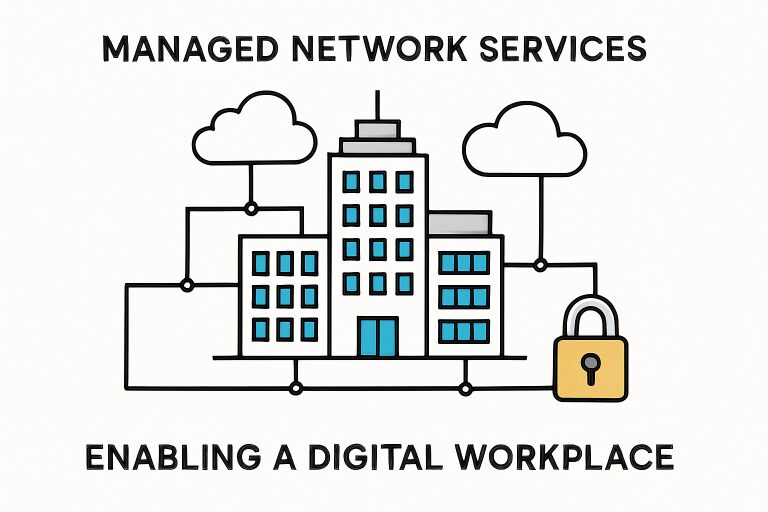
Managed network services involve outsourcing network management, monitoring, and optimization to specialized third-party providers. These experts oversee key network elements, including routers, switches, Wi-Fi access points, and firewalls, ensuring ongoing health, up-to-date security configurations, and scalable bandwidth management. Outsourcing eliminates the need for businesses to build extensive in-house IT departments, particularly when industry expertise or 24/7 oversight is required. To understand more about how managed network service works, visit https://www.mettel.net/solution-category/managed-network-services/.
Benefits of Managed Network Services
- Cost Efficiency: Businesses experience lower operational expenses by reducing investments in specialized IT personnel and hardware infrastructure. Managed services also offer predictable, subscription-based pricing models.
- Enhanced Performance: Proactive monitoring identifies and resolves network issues before they cause business disruptions. Performance metrics and optimization routines keep networks running smoothly.
- Scalability: Companies can adapt quickly to new demands, whether scaling up to accommodate new locations or responding to seasonal spikes in network usage. Managed solutions grow as the business grows.
- Improved Security: Advanced threat detection and response features are included, with continual updates to guard against evolving cybersecurity risks.
Role in Digital Transformation
Digital transformation is at the core of many organizations’ growth strategies, requiring seamless integration of new technologies into existing workflows. Managed network services provide the foundation for adopting cloud solutions, leveraging big data analytics, and deploying IoT devices across the organization. These services enable businesses to shift toward a future-ready IT landscape where reliability and integration are not just goals but realities.
Enhancing Security and Compliance
Security: The Cornerstone of the Digital Workplace
As the frequency and sophistication of cyber threats increase, organizations need multilayered defenses against data breaches, malware, and ransomware. Managed network service providers bring advanced security expertise and deploy solutions such as real-time threat monitoring, automated incident response, and regular vulnerability assessments. This shields sensitive business information and enhances organizational resilience.
Ensuring Regulatory Compliance
Compliance requirements in areas such as healthcare (HIPAA), finance (PCI-DSS), and privacy (GDPR) are ever-evolving. Providers help organizations implement best practices, maintain audit trails, and adapt policies to meet changing regulations. This reduces risk and protects reputational value, all while streamlining compliance across distributed workplaces.
Supporting Hybrid Work Environments
The rise of remote and hybrid work calls for robust, secure access to business resources anywhere, anytime. Managed network services enable organizations to provide remote employees with seamless, protected connectivity through virtual private networks (VPNs), secure access service edge (SASE), and reliable Wi-Fi. This ensures teams can collaborate and remain productive, whether in the office, at home, or on the move.
Enhanced support for remote troubleshooting and device management means organizations can quickly resolve technical issues without on-site intervention. This flexibility drives employee satisfaction and business continuity during unpredictable disruptions.
Future Trends in Managed Network Services
The managed network landscape is rapidly moving toward greater automation and intelligence. Artificial intelligence (AI) and machine learning are enabling predictive analytics for network performance and proactive problem resolution. Zero-touch provisioning allows networks to self-configure and self-heal, reducing the need for manual intervention. Meanwhile, digital twins—virtual models of network infrastructure—provide real-time visibility for testing, monitoring, and optimization, thereby improving reliability and security.
Network function virtualization (NFV) and the continued integration of cloud-native tools are also streamlining network operations, making it easier for businesses to adapt as technology evolves. Organizations that embrace these trends will be well-positioned to leverage the full power of digital transformation.
Choosing the Right Provider
A strategic partnership with the right managed network service provider is essential. Decision-makers should assess a potential provider’s track record, technical certifications, service level agreements (SLAs), scalability options, and security protocols. It is also vital to consider their ability to support multi-cloud or hybrid environments and their commitment to ongoing innovation. Comparing these qualities helps ensure the chosen provider can meet current needs and future growth targets.
Conclusion
Managed network services are fundamentally transforming the digital workplace, enabling organizations to respond to change with agility and confidence. By providing the expertise and resources necessary to support evolving business models, managed services empower businesses to focus on growth, safeguard their networks, and embrace future trends in the digital economy. Organizations that partner with experienced providers are best positioned to maintain a resilient, productive, and secure workplace for years to come.
- TechTrendery.com: A Complete Guide to Technology, AI, Business and Digital Trends
- Jeroen Dik: Biography, JD Engineering, Automotive Tuning and Racing Career
- Osteopur: The Ingredients, Bone Health, Benefits, Safety, and What to Know
- Cbybxrf: Meaning, Origin, Feedback, Learning, and Digital Context
- Doujen Moe: Meaning, Background, Online Search Intent, and Digital Safety