


Table of Contents
- Smart Home Integration
- Biophilic Design
- Multi-Functional Spaces
- Bold Colors and Materials
- Wellness-Oriented Design
- Minimalist Luxury
- Outdoor Living Spaces
- Sustainable Landscaping
Modern homeowners are transforming their residences into reflections of personal style and evolving needs. Today’s custom homes balance unique expression with purposeful function, helping residents get the most value from their living spaces. In this dynamic era, discerning buyers are turning to specialists like a luxury home builder to craft spaces tailored perfectly to their way of life.
With priorities shifting toward flexibility, smart technology, wellness, and eco-conscious living, home customization has entered an exciting new phase. Gone are the days of cookie-cutter design—instead, personalization and thoughtful design solutions are setting the standard for aspirational living environments.
From seamlessly integrated smart features to bold colors, eco-friendly landscaping, and luxurious yet minimalist spaces, builders and homeowners are reimagining what it means to live comfortably and stylishly. The latest trends reveal a commitment to both beauty and practicality, offering endless inspiration for anyone updating a current home or planning a new one.
Read on for an in-depth look at today’s leading home customization trends—each one redefining how we think about comfort, convenience, and self-expression at home.
Smart Home Integration
Technological innovation is making homes more efficient, convenient, and secure than ever before. Today’s smart home features include automated lighting, thermostats, security systems, and entertainment centers, all controlled through smartphones or voice commands. Many custom homes now integrate whole-house Wi-Fi, smart blinds, and advanced energy-management sensors. According to Investopedia, a smart home refers to a residence equipped with devices that automate tasks and can often be controlled remotely, enhancing both convenience and energy efficiency. These systems not only simplify daily routines but also help reduce utility costs and increase safety.

Biophilic Design
Creating spaces that foster a strong connection to the outdoors is gaining momentum. Biophilic design principles bring the restorative qualities of nature inside—think generous windows for sunlight, indoor waterfalls or green walls, and the use of organic materials like wood and stone. Plants and living walls are not just aesthetically pleasing; they also actively improve indoor air quality and foster a sense of tranquility. Research cited by Architectural Digest notes measurable wellness benefits, such as lower stress and enhanced creativity, for residents surrounded by natural elements.
Multi-Functional Spaces
Today’s homes need to perform on many fronts—working, exercising, entertaining, and relaxing—often under one roof. Flexible layouts and convertible furnishings are in high demand. For example, retractable partitions can turn an open-plan living space into a private office, while wall beds and modular sofas let one room serve multiple functions. Thoughtful home design now anticipates and adapts to busy, changing lifestyles, allowing rooms to transition seamlessly between different activities.
Incorporating these trends into your living space not only enhances comfort but also adds significant value to your property. As you explore options for your next project, consider the innovative approaches in new home development north carolina, where builders are embracing sustainable materials and smart home technology. This region is becoming a hub for forward-thinking design, offering a blend of modern aesthetics and functional living. Whether you’re looking to renovate or build from scratch, these developments provide a blueprint for creating a home that meets the demands of contemporary life while reflecting your personal style.
Bold Colors and Materials
Individuality is shining through as homeowners reject bland neutrals in favor of dramatic colors and rich patterns. Statement walls painted in jewel tones, vibrant wallpaper, and contrasting textures are making spaces unforgettable. Even minimalist interiors increasingly feature a distinctive color pop, such as primary-hued cabinetry or striking marble countertops. The key is thoughtful placement—allowing bold choices to energize a space without overwhelming it.
Wellness-Oriented Design
Health, comfort, and peace of mind are major drivers behind home upgrades. Spa-style bathrooms with soaking tubs and steam showers, air and water filtration systems, radiant floor heating, and meditation rooms are now mainstream in new luxury builds. Additionally, specifying non-toxic, low-VOC building materials and maximizing natural light promote physical well-being while encouraging rest and relaxation, making the home a genuine sanctuary.
Minimalist Luxury
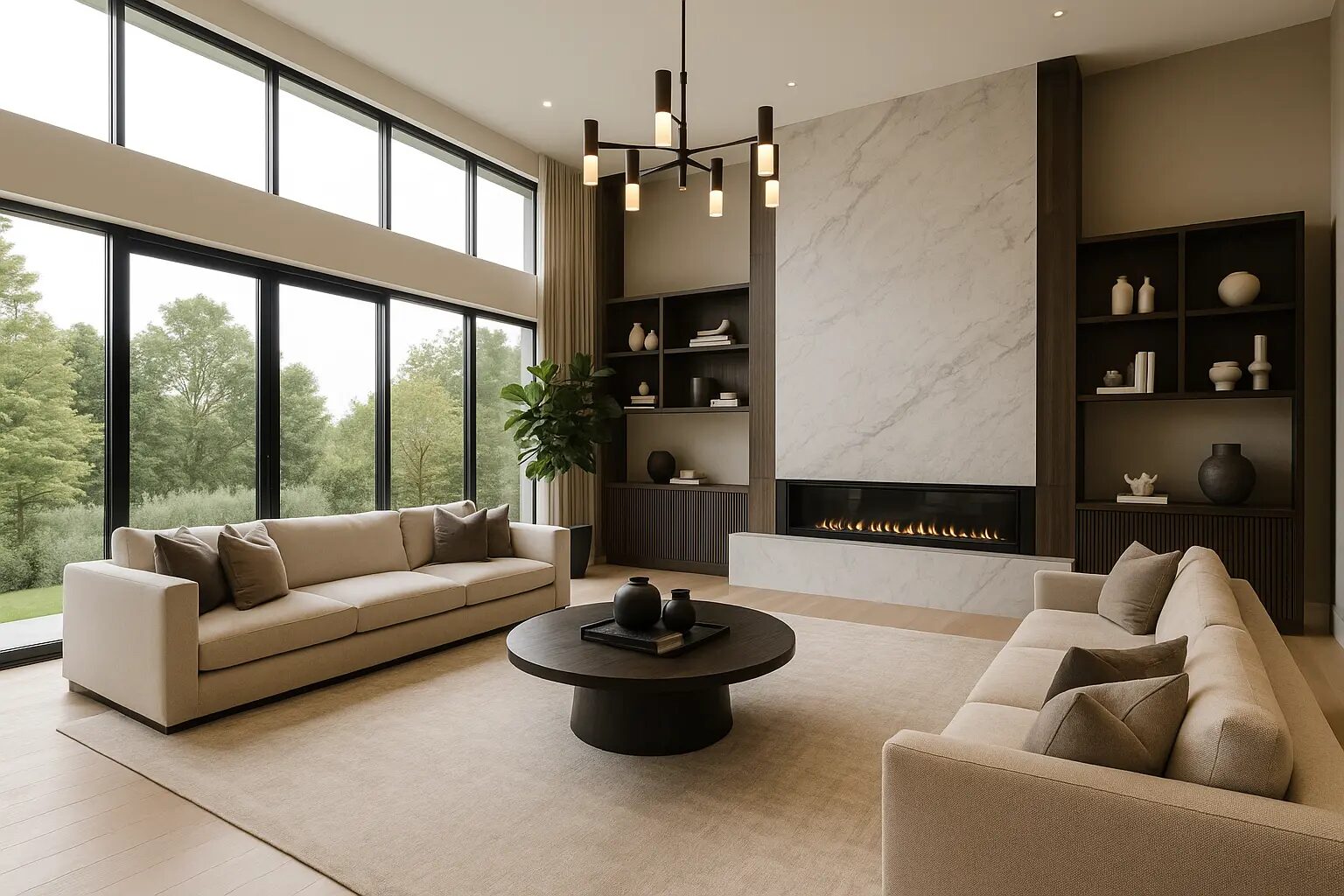
Minimalism has entered a new era, combining clean lines and open space with rich finishes and subtle luxury. High-quality materials—like real wood floors, handcrafted tiles, and designer lighting—create a sense of occasion in even the most restrained interiors. The result is an environment that feels both calming and upscale, merging practicality with thoughtful opulence without excess. Carefully chosen centerpiece furniture or artwork adds personality while ensuring the home remains timeless and beautiful.
Outdoor Living Spaces
The trend toward blending indoor and outdoor living is stronger than ever. Patios, decks, and balconies are being reimagined as year-round “rooms” furnished with weatherproof sofas, open-air kitchens, and features like fire pits and pergolas. These extensions of the home invite relaxation, entertaining, and family time—often with features for al fresco dining or movie nights under the stars. Outdoor upgrades not only enhance lifestyle but also increase property value, making them among the smartest investments for modern living.
Sustainable Landscaping
Today’s landscapes are as beautiful as they are resource-conscious. Homeowners and designers are favoring native plant species, drought-tolerant gardens, and smart irrigation systems to conserve water and reduce maintenance. Well-designed, eco-friendly landscapes also support pollinators and local ecosystems. Collectively, these approaches make outdoor areas more sustainable, reduce long-term costs, and contribute to a healthier environment.
As customization becomes the new gold standard in home design, integrating these trends ensures spaces are not only distinctly personal and highly livable but also ahead of the curve. With thoughtful planning, today’s custom homes can offer comfort, efficiency, sustainability, and sophistication for years to come.
- How to Build Realistic Product Color Variants From One Photo
- How To Design Trustworthy Real-Time AI Avatars For Public-Facing Services
- TechTrendery.com: A Complete Guide to Technology, AI, Business and Digital Trends
- Jeroen Dik: Biography, JD Engineering, Automotive Tuning and Racing Career
- Osteopur: The Ingredients, Bone Health, Benefits, Safety, and What to Know