




Key Takeaways
- Maintain indoor humidity levels between 30% and 50% to deter mold growth.
- Address water leaks and moisture issues promptly to prevent mold proliferation.
- Ensure proper ventilation in high-moisture areas, such as bathrooms and kitchens.
- Use mold-resistant materials during home renovations to reduce future risks.
Mold can often go unnoticed in homes, causing significant risks to both health and property. Taking preventive steps can help you maintain a safe and comfortable living space, keeping your family healthy and your home intact. For situations where mold has already become an issue, turning to experienced mold remediation professionals ensures thorough and effective treatment that addresses the root cause of the problem.
Being proactive about moisture control, repairs, and regular maintenance is key to reducing mold hazards. Simple habits, such as promptly fixing leaks and ensuring good airflow in the home, support long-term prevention. Adopting these best practices not only guards against structural damage but also lessens health risks. Mold spores can swiftly spread under the right conditions, so understanding how to stop them in their tracks is critical.
If you live in an area prone to humidity or frequent storms, mold risk may be even higher. Homeowners should consider both the visible and hidden places where mold can take hold. While DIY measures are helpful, complicated situations may demand professional attention. Consulting local mold experts can be invaluable, especially if you suspect a widespread or hard-to-locate problem.
Understanding Mold and Its Health Implications
Mold is a type of fungus that thrives in damp, warm environments and can quickly spread through airborne spores. Even minor exposures can aggravate allergies, cause respiratory symptoms, or lead to serious complications for those with weakened immune systems. According to the Centers for Disease Control and Prevention, addressing dampness and mold is crucial not only for property integrity but also for protecting household health. Given that some molds produce mycotoxins, a long-term presence in the home can lead to chronic issues that go beyond mere inconvenience.
Addressing minor drips and hidden pipe failures immediately is a vital aspect of long-term home maintenance. When a leak occurs after hours or during a holiday, waiting until the next business day can result in significant water damage and the rapid onset of fungal growth. Accessing a 24 hour plumber in Portland Oregon allows homeowners to mitigate these risks by stopping the source of moisture before it saturates porous building materials. Rapid response is the most effective defense against the structural degradation and health hazards associated with persistent dampness. By resolving plumbing emergencies promptly, you can ensure that your living environment remains dry, safe, and free from the conditions that mold needs to thrive.
Control Indoor Humidity
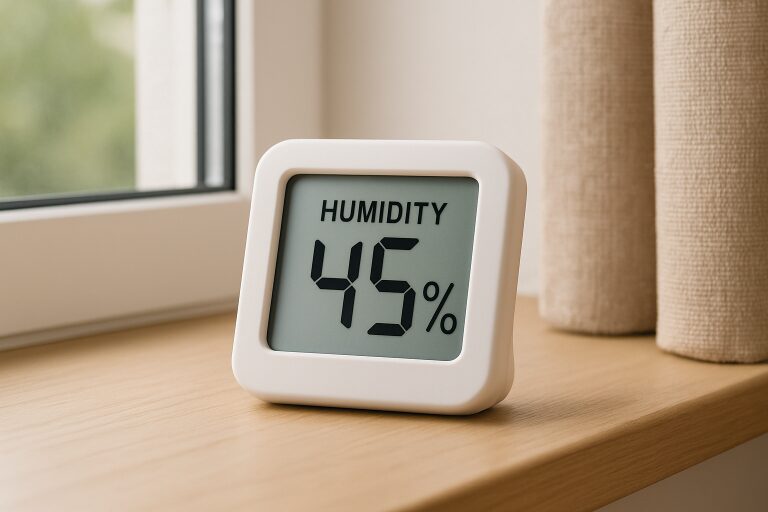
One of the most effective ways to prevent mold is by keeping your home’s relative humidity in check. The Environmental Protection Agency recommends maintaining indoor humidity between 30% and 50%. During humid seasons, dehumidifiers and air conditioners play a crucial role. Using a hygrometer lets you easily monitor these levels, helping you act before problems arise. Basements, crawl spaces, and attics, often overlooked, should be checked regularly, as these areas are often prone to humidity.
Address Water Leaks Promptly
Unchecked leaks are a primary reason for mold outbreaks in homes. Dripping faucets, plumbing leaks, roof issues, or window condensation are all entry points for unwanted moisture. Conduct routine inspections under sinks, behind appliances, and in attics or crawl spaces to spot leaks early. Immediate repairs to plumbing and household fixtures, paired with drying out wet areas, deter mold colonies from gaining a foothold. Even seemingly small drips or puddles can feed long-lasting problems if ignored.
Ensure Proper Ventilation
Ventilation helps remove excess moisture from daily activities like cooking, showering, or laundry. Always use exhaust fans in bathrooms and kitchens, and vent appliances such as dryers to the outside, not into crawlspaces or attics. On pleasant days, open windows to boost airflow in stuffy rooms. In homes with persistent humidity, consider mechanical ventilation systems that provide continuous air exchange.
Regular Cleaning and Maintenance
Routine cleaning keeps household surfaces free of dust, soap scum, and organic residues that serve as food sources for mold. Use mold-inhibiting cleaners in bathrooms and kitchens, and make sure surfaces dry quickly after mopping or scrubbing. Regular maintenance should also include clearing gutters, trimming overgrown plants near exterior walls, and replacing deteriorating caulking or grout. Ongoing diligence gives mold less opportunity to spread unnoticed.
Use Mold-Resistant Materials
If you are planning renovations, select building materials that resist mold growth. Mold-resistant drywall, paints, and caulking are especially beneficial for bathrooms, basements, and kitchens. These products limit the places where mold can take hold and are a smart investment for moist climates. For more tips, consult Time’s guide on preventing mold in your home, which discusses when and where these upgrades have the greatest impact in the long run.
Monitor and Manage Indoor Plants
While houseplants improve indoor air quality, overwatering or poor drainage can contribute to high humidity and moldy soil. Water plants conservatively and ensure their pots have drainage holes. Inspect plant soil often for fuzzy growth or musty smells that suggest mold. Positioning plants in well-ventilated spaces also reduces the formation of humidity pockets near windowsills or corners.
Conclusion
Effective mold prevention involves a mindful combination of humidity control, prompt leak repairs, proper ventilation, using the right materials, and diligent household upkeep. Taking each of these steps reduces health risks for your family and preserves the value of your property. Whenever conditions seem beyond your control or mold signs persist, do not hesitate to consult experienced professionals who can offer guidance, inspections, and comprehensive remediation solutions tailored to your needs.
- How to Build Realistic Product Color Variants From One Photo
- How To Design Trustworthy Real-Time AI Avatars For Public-Facing Services
- TechTrendery.com: A Complete Guide to Technology, AI, Business and Digital Trends
- Jeroen Dik: Biography, JD Engineering, Automotive Tuning and Racing Career
- Osteopur: The Ingredients, Bone Health, Benefits, Safety, and What to Know