
Table of Contents
- Digital Dentistry: A New Era
- Artificial Intelligence in Diagnostics
- 3D Printing: Custom Solutions
- Patient-Centered Clinic Design
- Telehealth and Virtual Consultations
- Educational Tools and Interactive Content
- Pain-Free Anesthesia Options
- Conclusion
Dental care has evolved dramatically in recent years. Patients who step into a modern dental office today often find a vastly different experience than they might have expected a decade ago. Innovations in technology and a reimagined, patient-first approach have raised the standard for comfort, convenience, and treatment results. For example, advancements in dental implants now offer more reliable, discreet, and efficient solutions for missing teeth, making restoration a far less daunting process.
From digital diagnostics to more calming and accessible spaces, these updates are reshaping perceptions of dental visits. Patients are better informed, feel more considered, and benefit from treatments that are not only effective but also much less invasive. As the dental industry focuses on patient needs at every touchpoint, the entire care journey becomes easier and even enjoyable for many.
Digital Dentistry: A New Era
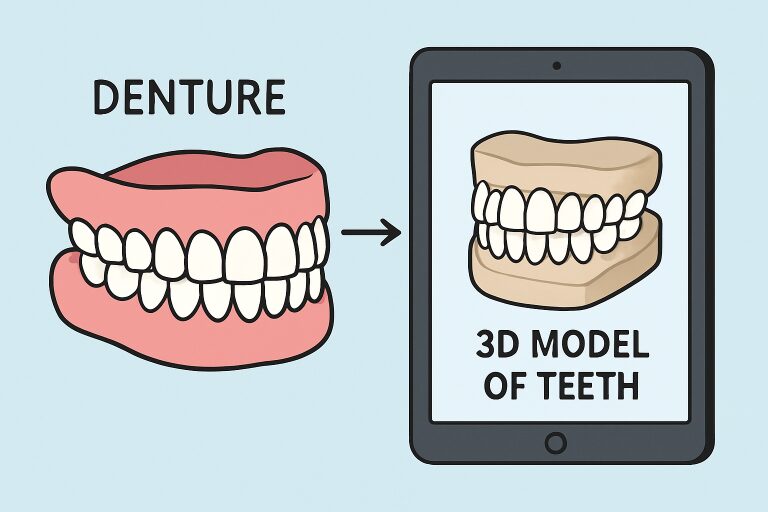
The emergence of digital dentistry is one of the most significant developments in modern dental care. Technologies such as intraoral scanners allow dentists to quickly create accurate 3D models of a patient’s mouth. These digital impressions are far more comfortable than traditional molds that relied on messy, often uncomfortable materials. In addition to comfort, digital dentistry enhances treatment planning precision, making procedures like crowns and bridges more effective and noticeably improving patient outcomes.
Artificial Intelligence in Diagnostics
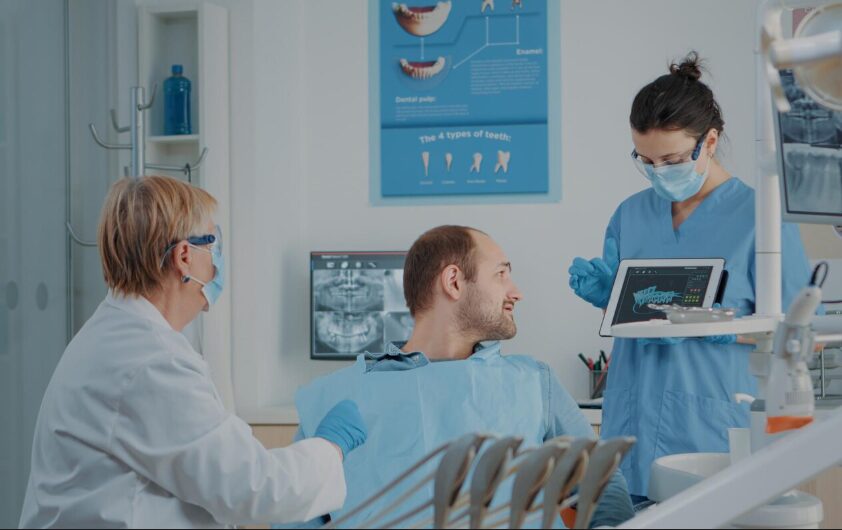
Artificial intelligence is now a major force in advancing dental diagnostics. Advanced AI algorithms analyze dental X-rays and scans with extraordinary speed and accuracy, detecting issues such as cavities, infections, or gum disease in their earliest stages. This early detection allows for tailored, minimally invasive treatment plans that can dramatically improve long-term oral health. As a result, patients benefit from proactive care and develop greater trust in dental recommendations.
3D Printing: Custom Solutions
3D printing has ushered in the era of mass customization in the dental field. Dentists can now design and manufacture crowns, aligners, bridges, and surgical guides right in the clinic, tailored precisely to each individual patient. This streamlined process helps to reduce the waiting time for lab-produced dental appliances, minimize adjustments, and provide a more comfortable fit. For patients, that means less time in the dental chair and a better chance of long-lasting results from custom-made solutions.
Patient-Centered Clinic Design
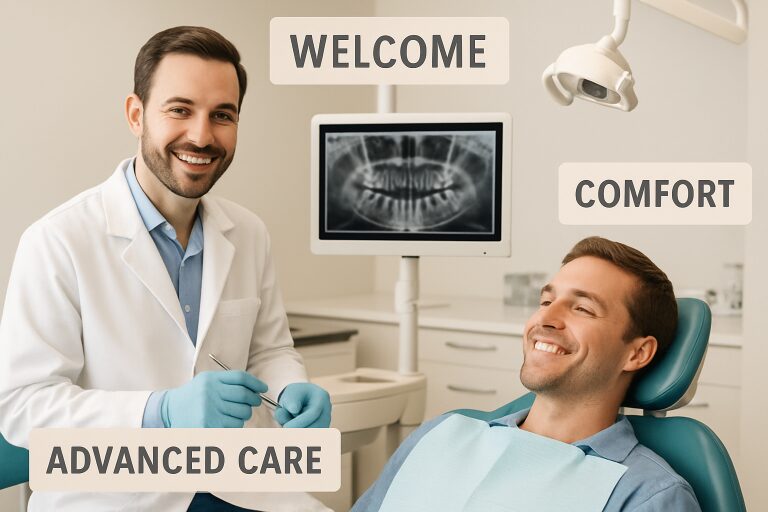
Today’s like-minded practices recognize that clinical excellence matters just as much as overall comfort. Modern clinics employ design strategies that ease patient anxiety and feelings of vulnerability. Soothing decor, ambient lighting, and features like noise-canceling headphones or aromatherapy help set a calming tone. Beyond visual elements, many offices offer amenities such as heated blankets or ergonomic pillows during procedures. Patient-centered design even includes private consultation rooms where individuals can discuss their oral health goals confidentially and without pressure.
Telehealth and Virtual Consultations
Virtual dental services now let patients meet with their dentist from home for certain appointments. Telehealth is invaluable for follow-ups, oral hygiene advice, treatment consultations, and even triage for emergencies that don’t necessarily require an in-person visit. This convenient option makes dental care more accessible to people with mobility issues, busy professionals, and those living in remote areas.
Educational Tools and Interactive Content
Modern practices recognize that empowered patients are healthier patients. Dentists increasingly use 3D animations, interactive apps, and personalized digital resources to explain diagnoses and treatment plans. By communicating complex procedures and oral health guidelines with visuals and interactive content, patients gain a better understanding and are more likely to follow recommendations at home. These tools also help reduce misconceptions and anxiety by making information accessible and relatable for people of all ages and learning styles.
Pain-Free Anesthesia Options
The specter of dental pain has faded, thanks to innovations in anesthesia delivery. Needle-free systems, such as computer-controlled injectors and jet delivery technology, are gentler and can significantly reduce discomfort and anxiety. Localized computerized numbing helps limit the unpleasant after-effects that sometimes linger after conventional injections. Minimizing pain and anxiety leads to more positive dental experiences and encourages patients to stay regular with preventive visits.
Conclusion
Modern dental practices are embracing technology and patient-first philosophies to ensure everyone who walks through their doors receives not only high-quality treatment but also genuine care and consideration. These advancements, from digital workflows to personalized education, are fundamentally changing what it means to visit the dentist. With the expansion of telehealth, custom solutions, and gentle anesthesia options, the dental experience is now more comfortable, efficient, and patient-focused than ever before.
- Doujen Moe: Meaning, Background, Online Search Intent, and Digital Safety
- DGH A: Understanding Its Role in Modern Eye Health and Vision Care
- Showbizztoday.com: A Complete Guide to Celebrity Gossip, Entertainment News, and Online Safety
- Charlotte Hopkins: Biography, Career, Family Law Work, and Public Profile
- QuikConsole Com: Complete Guide, Safety Review, Features & Facts