


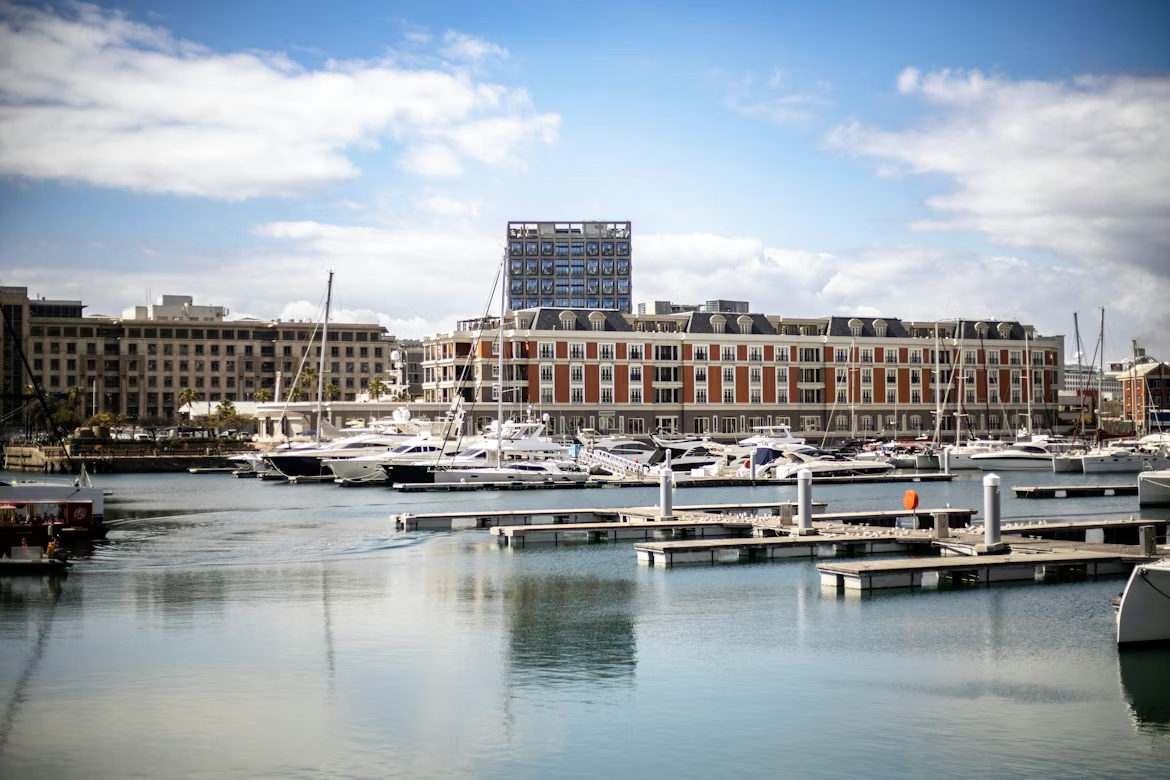

Anything built near the water ages differently.
You notice it in small ways first, a patch on the dock that doesn’t look quite right anymore, a railing that feels rougher than it did last summer, boards that stay damp longer than they used to.
None of it feels urgent at first, which is probably why it’s easy to leave alone. Then a few seasons pass and those small signs start turning into actual repair work. That’s where surface protection starts making a real difference.
Waterfront Surfaces Never Really Get a Break
Unlike regular outdoor spaces, waterfront structures are dealing with moisture almost constantly. Even when it isn’t raining, there’s humidity in the air, spray from the water, and direct sun working on the same surfaces day after day.
Wood starts absorbing moisture, metal fixtures begin to lose their finish, concrete and composite walkways can wear down in the spots people use most.
This constant exposure is what wears things down over time.
The Damage Usually Starts Where People Walk
It’s almost always the high-traffic areas first. Dock entrances, steps, walkways, anywhere people step with wet shoes or drag gear across the surface. Those spots take wear from both foot traffic and the environment at the same time. That combination adds up quickly.
Around this point, a lot of owners start looking into top quality marine paint, especially when dock boards, rails, or exposed walkways are beginning to look worn but haven’t reached the point of needing larger repairs.
A Good Coating Buys You Time
This is really what coatings do best. They buy time. Instead of moisture working directly into the surface, it hits the protective layer first. Sun exposure, splash zones, dirt, and residue all affect that layer before they reach the structure itself.
That extra layer slows down wear in a way that really adds up over multiple seasons.
It’s Not Just About Looks
People often first notice the fading. That’s normal because visual wear is the easiest thing to spot. But the bigger issue usually sits below the surface. Once water gets into wood grain, metal joints, or small cracks, the repair work grows quickly.
Replacing boards, treating corrosion, or resurfacing walkways costs far more than maintaining a protective finish. That’s why coatings matter. They’re less about appearance and more about slowing down that long-term wear cycle.
Maintenance Gets Easier Too
There’s also a practical side people don’t always think about. Protected surfaces are easier to clean. Algae, dirt, salt residue, and grime usually lift faster from a properly coated surface than from one that’s already worn down.
That makes seasonal upkeep feel less like a project.
Final Thoughts
Waterfront structures deal with conditions that most outdoor surfaces never have to handle. That constant exposure adds up, even when the damage seems minor at first.
A quality marine coating helps slow that process down. It protects the surface, makes maintenance easier, and helps push bigger repair jobs further into the future.