



Key Takeaways
- Understanding what causes drain clogs is vital for effective prevention.
- Regular maintenance and simple tools can help keep your drains clear of common blockages.
- Some issues should be handled by professionals, especially if problems persist or are widespread in your home.
Clogged drains are a frequent headache for homeowners, disrupting daily routines and often requiring urgent attention. Understanding what causes these blockages and knowing how to prevent them can save you time, money, and significant stress. Addressing minor issues early and learning practical habits not only prevents problems but also preserves your plumbing system’s longevity. If you find yourself regularly fighting stubborn blockages, professional drain cleaning services can make a noticeable difference in your home’s plumbing health.
Simple routine maintenance and adopting smart habits can keep water flowing freely in your kitchen, bathroom, and utility drains. It’s important to recognize early warning signs and know what you can handle on your own versus what requires professional tools and expertise. Being proactive also means you avoid the risk of expensive emergency repairs.
Common Causes of Clogged Drains
Drains can become blocked for many reasons, most of which are preventable. Recognizing the typical culprits is crucial to reducing the risk of a backup.
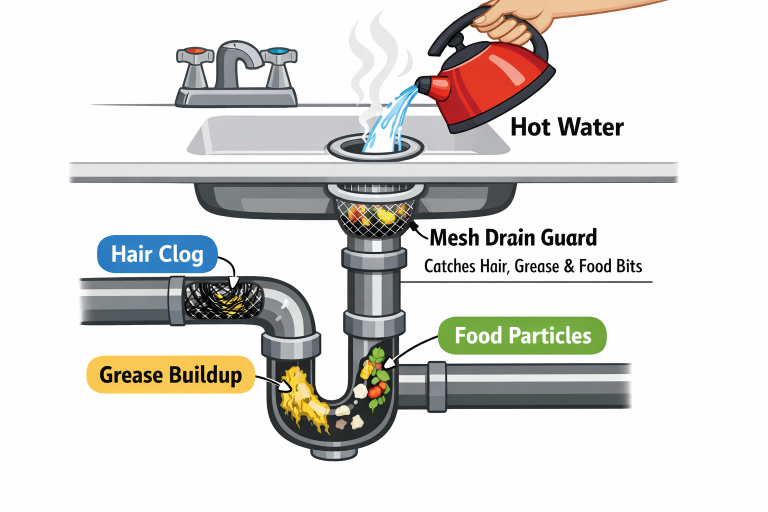
- Hair Accumulation: Bathroom drains are especially vulnerable. Hair quickly becomes entangled with soap residue, forming tough clogs. Installing mesh screens is a simple way to limit the problem.
- Grease and Oil Buildup: Pouring grease down kitchen sinks is a leading cause of pipe blockage. Grease cools and solidifies, narrowing the pipe’s diameter until a total blockage occurs. Always dispose of cooled grease in the trash, not down the sink.
- Food Particles: Even if you have a garbage disposal, items like coffee grounds, eggshells, and fibrous vegetables can linger in pipes, where they eventually produce clogs. It’s safer to scrape these items into the garbage before washing dishes.
- Soap Scum: The fatty acids in soap mix with the minerals in water to produce a hard residue. This soap scum can build up on pipe walls, particularly in bathrooms, restricting water flow and encouraging further debris accumulation.
In some cases, issues with tree roots invading outdoor pipes or sediment buildup from hard water may also be to blame. These are more complex issues that generally require a professional’s help.
Preventive Measures
Developing good habits and using key preventive tools can keep your drains running smoothly and avoid costly blockages.
- Use Drain Guards: Sinks, tubs, and showers should have strainers to catch hair, soap chips, and food debris. Regularly clean these guards to prevent build-up.
- Avoid Pouring Grease Down the Drain: Kitchen waste like oil, butter, and bacon fat should be cooled and disposed of in the trash. Wipe pans, plates, and utensils with a paper towel before washing to remove residual grease.
- Regular Cleaning: Pour hot water down your sink drains once a week to help loosen potential buildup. This simple step can flush away small, sticky blockages before they become serious.
- Mind What You Flush: Toilets are designed only for human waste and toilet paper. Items like wipes, cotton swabs, feminine hygiene products, and diapers should always go in the trash, even if the packaging says “flushable.”
DIY Solutions for Minor Clogs
Minor drain clogs can be tackled responsibly using household tools and ingredients. Here are some effective methods:
- Plunger: This basic tool can clear many sink and toilet clogs. Ensure the plunger covers the drain opening and use firm, even strokes to dislodge the blockage.
- Baking Soda and Vinegar: Pour half a cup of baking soda, followed by half a cup of vinegar, into the drain. Wait 15 minutes for the chemical reaction to break down the gunk, then flush with very hot water.
- Drain Snake: Also called a plumber’s auger, this flexible tool can reach down the pipe and break up or retrieve stubborn clogs. It’s particularly helpful for hair or soap scum blockages in bathroom drains.
When to Call a Professional
If you experience recurring clogs, water backing up in multiple drains, gurgling noises, or foul odors, it often signals a deeper problem in your plumbing system. Professional plumbers have specialized equipment, such as motorized drain augers and camera inspection tools, to address difficult clogs and more extensive pipe damage. Delaying a professional consultation can sometimes result in water damage or even structural problems if leaks develop.
Maintaining Your Drains
Consistent maintenance is the best defense against future clogs and backups. Schedule an annual plumbing inspection and routine cleaning. Small efforts now, like using drain screens and avoiding risky behaviors (such as pouring grease down the sink), can help prevent major repairs later. Proactive care keeps your plumbing system operating safely and efficiently, prevents surprise emergencies, and stabilizes water flow throughout your home.
Conclusion
Preventing drain clogs begins with understanding how they occur and developing smart, consistent habits. Routine cleaning, effective use of drain guards, mindful disposal of household waste, and timely professional help ensure your home’s drains remain unobstructed. By taking an active approach, you can minimize hassle and extend the life of your plumbing system, making household drain problems rare.
- How to Build Realistic Product Color Variants From One Photo
- How To Design Trustworthy Real-Time AI Avatars For Public-Facing Services
- TechTrendery.com: A Complete Guide to Technology, AI, Business and Digital Trends
- Jeroen Dik: Biography, JD Engineering, Automotive Tuning and Racing Career
- Osteopur: The Ingredients, Bone Health, Benefits, Safety, and What to Know