Deciding you’re done with drugs is a huge deal. It’s the moment you choose to fight for yourself, and it’s a tough, personal battle. No two people have the same story with addiction, even if they used the same substance. The road back can feel long, but it all starts with this one decision to find a way out. This guide is about those first few moves you can make to get away from dependency and start building a new life.
A Hard Look at Where You Are
The first thing you have to do is get real with yourself about the situation. How has using drugs affected your health? Your work? Your relationships with people who matter? This isn’t about beating yourself up; it’s about knowing exactly what you’re up against. Professionals talk about addiction in terms of mild, moderate, or severe, and figuring out the seriousness of the problem helps point you toward the right kind of help. Just admitting that there is a problem and you need help to fix it is the first, most important victory.
Finding the Right Professional Help
Once you’re ready to get help, you need to see what’s out there. Treatment centers offer different kinds of programs. For some, a residential program is the answer. This means you actually move into the treatment center. You get round-the-clock support there. It’s a full-on approach that’s often necessary if the addiction is severe, or if you’ve tried to get clean before and it didn’t stick.
But not everyone can just drop everything. If you’ve got a job or kids, living away from home for a month or more just isn’t an option. For that situation, an intensive outpatient program makes a lot of sense. You get the same kind of serious, scheduled therapy, but you sleep in your own bed at night and can manage your responsibilities. You can speak with an admissions team, and they’ll help you figure out which path makes the most sense to start with.
You Can’t Do It Alone
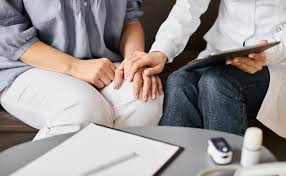
Trying to overcome addiction by yourself is an almost impossible task. You need people in your corner. This support system is usually a mix of family, friends you can count on, and other people who are also in recovery. Good treatment programs know this. They often include family therapy to help patch up relationships and show your loved ones how they can support you without enabling you. Connecting with others in 12-step groups or other peer settings gives you a community of people who just get it, which can make all the difference.
What to Expect When You Start
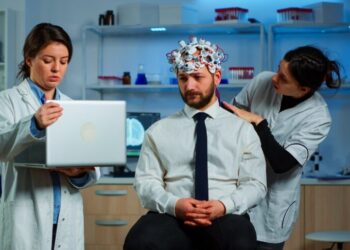
When you start, you’ll have a frank conversation with the staff. They’ll want to know your story—not just about the drugs, but about your health in general and what’s going on in your head. They aren’t being nosy; they need all that info to put together a plan that’s actually going to work for you, not some generic program. This plan will lay out what kind of therapy you’ll get, like cognitive-behavioral therapy (CBT), and what your schedule will look like.
Seeking help is a courageous step towards recovery, and understanding the available options can make a significant difference. Many individuals find that a combination of therapies tailored to their specific needs offers the best chance for success. Engaging in guided treatment and rehabilitation can provide the structured support necessary to navigate the complexities of addiction. This approach often includes a blend of medical care, counseling, and peer support, creating a comprehensive framework for healing. By embracing these resources, individuals can build a solid foundation for a healthier, substance-free life, empowering them to reclaim control and rediscover their potential.
Getting away from drug dependency starts with the choice to try. Every single action you take from that point on is a step in the right direction, a step toward a life you can be proud of. Skilled, caring people are out there and ready to help you through the process. By making this move, you’re giving yourself a real chance to start over, without the weight of drugs and alcohol holding you down.
- How to Sell Your House Quickly and Stress-Free
- The Role of Restoration Services in Protecting Residential Properties
- Innovative Techniques Transforming Residential Construction
- How Flexible Repayment Options Can Ease Financial Stress
- How Innovative Treatments Are Changing the Outlook for Mental Health