

Key Takeaways
- Nevada law allows car accident victims to seek compensation for pain and suffering as non-economic damages.
- There is no statutory cap on pain and suffering damages in most car accident cases.
- Victims’ compensation can be affected by their level of fault due to Nevada’s comparative negligence rules.
- The statute of limitations for filing is generally two years from the date of the accident.
- Thorough documentation and legal help are key to strengthening your claim.
Table of Contents
- Understanding Pain and Suffering Damages
- Nevada’s Legal Stance on Non-Economic Damages
- The Role of Comparative Negligence
- Statute of Limitations for Filing a Claim
- Calculating Pain and Suffering Damages
- Steps to Strengthen Your Claim
- Conclusion
Car accidents in Nevada bring more than just physical injuries and property damage. Many victims endure persistent pain, emotional trauma, and a profound disruption to their everyday lives. Understanding your legal options for recovering not only economic damages but also compensation for pain and suffering is essential. The process can be nuanced and is best approached with accurate information and support from qualified professionals, such as blakefriedmanlaw.com.
Knowing what pain and suffering include, how Nevada law treats these damages, and what it takes to prove your case can make the difference in your recovery. Whether you’re dealing with ongoing medical issues or emotional distress, seeking fair compensation means facing insurers and courts prepared, and it often helps to have expert guidance on your side to navigate the complexities of the claims process.
Understanding Pain and Suffering Damages
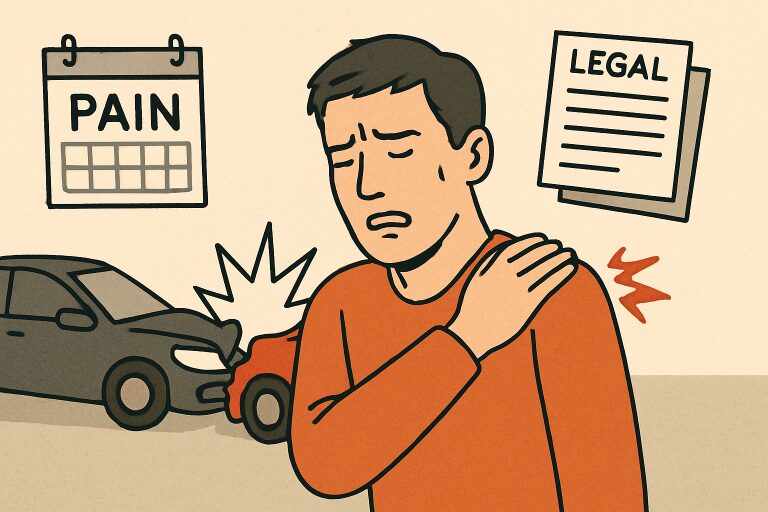
The term “pain and suffering” refers to the variety of physical and psychological impacts an accident has on a victim’s life. These non-economic damages can include chronic pain, ongoing medical issues, post-traumatic stress disorder (PTSD), anxiety, depression, and even loss of enjoyment of life. Because these damages are personal and subjective, their value varies greatly depending on the severity and duration of the injuries involved.
Pain and suffering damages recognize harm that goes beyond what a hospital bill or repair invoice can show. For many, these effects last long after the physical wounds have healed, impacting relationships, work life, and overall well-being. Recovering for these losses ensures victims are made as whole as possible following a serious accident.
Nevada’s Legal Stance on Non-Economic Damages
Nevada law clearly allows accident victims to pursue compensation for pain and suffering in personal injury cases. There is no statutory cap on these damages in standard car accident claims, which means your compensation can fully reflect your unique experiences and losses. It’s important to know that in medical malpractice cases, Nevada caps non-economic damages at $350,000.
This legal principle is foundational to ensuring victims of car accidents have an absolute path to recovery and are not left shouldering the burden of emotional and intangible harm without recourse.
The Role of Comparative Negligence
Nevada follows a modified comparative negligence doctrine. Under this system, if you are partially at fault for an accident, your eligible compensation is reduced in proportion to your degree of fault. For instance, if a court finds you 25% at fault, any damages awarded to you—including pain and suffering—will be reduced by 25% accordingly. Should your responsibility exceed 50%, you are legally precluded from recovering any damages at all. ([law.justia.com](https://law.justia.com/codes/nevada/chapter-41/statute-41-141/))
Statute of Limitations for Filing a Claim
The statute of limitations in Nevada for most personal injury claims is two years from the date of the accident. Failing to initiate legal action within this window almost always results in the loss of your right to pursue compensation. Acting quickly is not just about meeting deadlines; it also ensures evidence is preserved and memories remain fresh, improving your chances of a successful outcome.
Calculating Pain and Suffering Damages
Assigning a dollar value to pain and suffering is a subjective process that involves a complex mix of factors. Common considerations include:
- The severity and permanence of your injuries
- The way your injuries or trauma affect daily life and future opportunities
- The length of your recovery process
- The presence of lasting psychological or emotional effects
Attorneys and courts often evaluate claims using methods such as the “multiplier method” (multiplying the total economic damages by a factor associated with injury severity) or the “per diem approach” (assigning a daily dollar amount for each day of suffering). ([the702firm.com](https://the702firm.com/blog/how-to-calculate-car-accident-settlement-amounts/))
Steps to Strengthen Your Claim
Building a strong claim for pain and suffering begins immediately after an accident. Key steps include:
- Seek Immediate Medical Attention:Document every injury, symptom, and medical interaction. Follow all prescribed treatments.
- Maintain Detailed Records: Keep a written or digital journal that captures your pain levels, emotional state, and the ways the injury affects your daily routine.
- Gather Evidence: Collect photos, witness statements, police reports, and anything else that supports your story.
- Work with a Personal Injury Lawyer:Legal expertise provides critical guidance, negotiation leverage, and ensures your claim is ppresented correctly
Conclusion
Nevada’s laws give car accident victims a real chance to recover compensation for pain and suffering, but success depends on awareness, quick action, and solid proof. No two cases are the same. By carefully documenting your experience and consulting with a dedicated legal professional, you can increase your chances of receiving fair compensation for your injuries and emotional hardship.