
Table of Contents
- Introduction
- Importance of Pump Efficiency
- Common Inefficiencies in Industrial Pumps
- Innovative Technologies Enhancing Pump Performance
- Case Studies of Successful Implementations
- Best Practices for Maintaining Pump Efficiency
- Future Trends in Pump Technology
- Conclusion
As industries worldwide intensify their focus on sustainability, efficiency upgrades in critical infrastructure have become top priorities. Despite their ubiquity, pump systems are often overlooked when it comes to energy optimization—even though they are responsible for an outsized share of both operational costs and energy consumption. Early adoption of advanced pump solutions has shown that careful selection and management, such as integrating a C&B Equipment Roper gear pump, can significantly enhance productivity, reduce emissions, and cut long-term expenses.
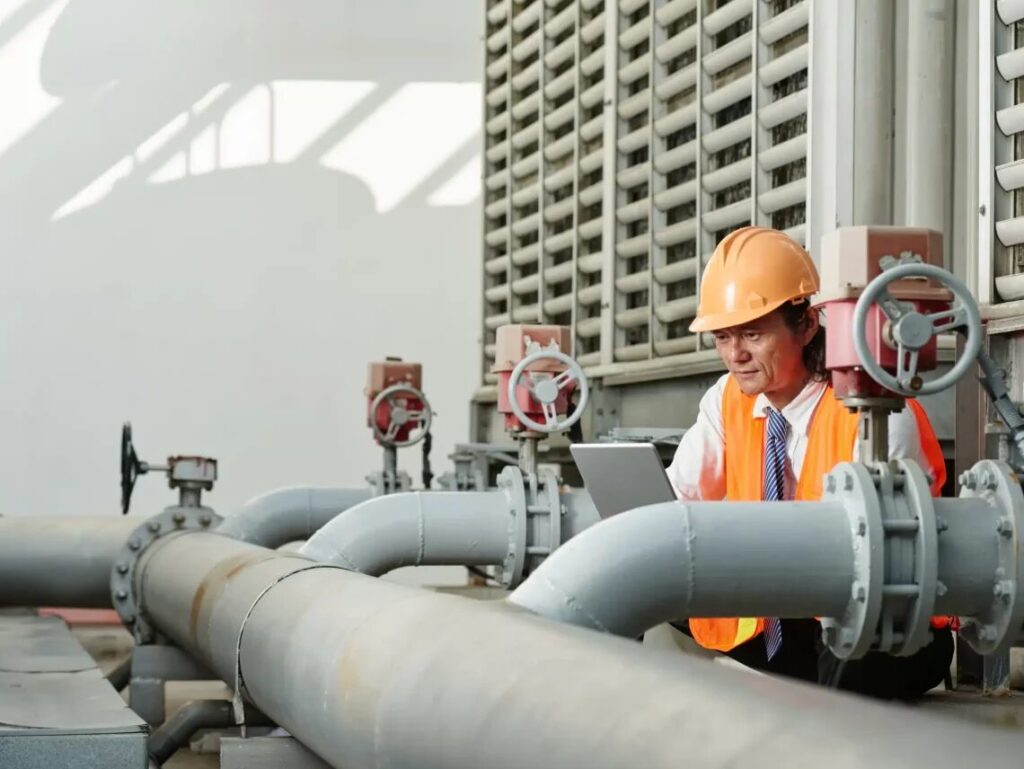
This shift towards efficiency in industrial pump systems extends beyond reducing utility costs; it also enhances operational resilience, reduces downtime, and ensures compliance with strict environmental regulations. Optimizing pumps is viewed as a competitive advantage, leading to reimagined designs and improved monitoring among manufacturers. These advancements yield benefits such as increased reliability, extended asset lifespan, significant reductions in maintenance costs, and alignment with global compliance standards, thereby fostering safer and more sustainable industrial environments.
Importance of Pump Efficiency
Pump systems play a crucial role in various sectors, including process manufacturing, oil and gas, utility management, and food processing. Globally, pumps are responsible for approximately 10% of industrial electricity consumption. Substantial research and industry initiatives suggest that optimized pumps can deliver energy savings up to 50%, making them a low-hanging fruit for sustainable gains.
Common Inefficiencies in Industrial Pumps
Most industrial pumps still operate below their design capacity due to legacy sizing strategies, progress in process technology, and a lack of routine recalibration. Frequent causes of inefficiency include improper sizing for variable demand, mechanical wear from prolonged stressing, corrosion, outdated control systems, and the absence of automation. According to recent studies, nearly two-thirds of pumps in operation today are running inefficiently, highlighting the need for detailed audits and proactive interventions.
Innovative Technologies Enhancing Pump Performance
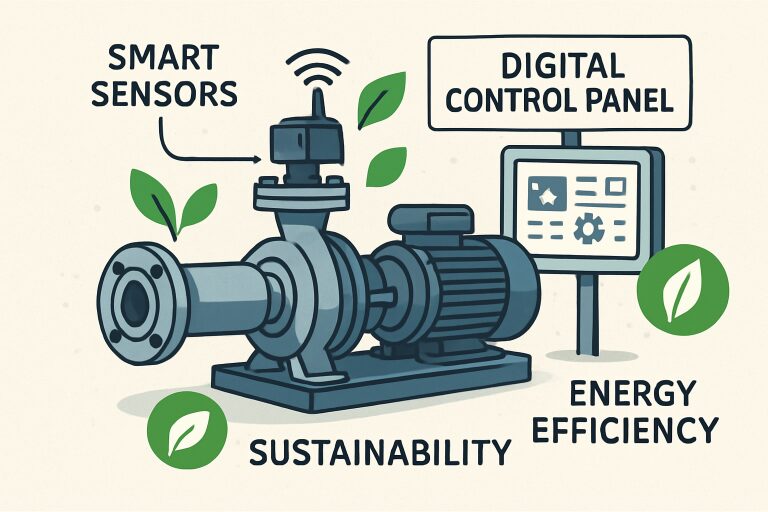
- Smart Sensors and IoT: The advent of Industrial Internet of Things (IIoT) has revolutionized pump monitoring. Real-time, remote diagnostics enable predictive maintenance, often averting costly breakdowns and unplanned outages. Advanced analytics platforms can now detect anomalies and send alerts before failures disrupt operations.
- Variable Frequency Drives (VFDs):VFDs are game-changers for dynamic operational requirements, automatically adjusting motor speed to match pressure or flow demands and eliminating inefficient on/off cycling.
- Advanced Materials: Composites and high-performance alloys increase corrosion and abrasion resistance, improving efficiency and minimizing maintenance cycles. These materials are beneficial in demanding applications, such as chemical and mining operations, thereby prolonging equipment uptime.
Case Studies of Successful Implementations
Innovative implementations abound in progressive facilities. Vitens, the Netherlands’ premier drinking water provider, reduced its overall energy use by modernizing its network with digital analytics and smart pump technologies. In another high-impact case, a U.S. paper facility replaced its outdated centrifugal pumps with right-sized gear pumps, resulting in a 40% decrease in annual maintenance incidents and substantial savings in energy costs.
Best Practices for Maintaining Pump Efficiency
Regular Maintenance: Scheduled inspections, recalibration of instruments, and early-stage repairs are critical to maintaining optimal performance. Condition-based monitoring can detect anomalies early, thereby reducing the risks of catastrophic failure and unscheduled plant shutdowns.
Proper Sizing: Selecting pumps that are custom-fit to each application mitigates excess energy consumption from oversizing and the operational bottlenecks of undersizing.
Employee Training: Continuous skill development in best operational practices and troubleshooting helps minimize downtime, ensuring staff can respond quickly to unexpected issues.
Future Trends in Pump Technology
- Artificial Intelligence (AI): Machine learning algorithms are being increasingly deployed for pattern recognition in vibration, flow, and temperature data, enabling more sophisticated predictive maintenance and energy optimization strategies.
- 3D Printing: Additive manufacturing enables rapid prototyping and production of bespoke pump components, allowing for precise customization and shorter lead times for repairs and upgrades.
- Energy-Efficient Designs: Research continues into innovative impeller designs, magnetic drives, and integrated regenerative systems that drive down energy input requirements while extending equipment lifespans.
Conclusion
Optimizing pump systems has rapidly moved from being an optional efficiency upgrade to an essential pillar of sustainable industrial operations. As technology, environmental responsibilities, and customer demands converge, organizations that invest in advanced pump technologies—with regular audits, modern materials, and data-driven control—position themselves for operational resilience, financial savings, and a smaller ecological footprint. Now is the time to make the switch and ensure that pump systems drive efficiency at the heart of sustainable industrial growth.