
Sustainable home design is taking center stage as the world responds to growing environmental concerns and a collective desire for healthier living spaces. Today’s builders and homeowners are putting new focus on minimizing carbon footprints, conserving resources, and reimagining comfortable, eco-friendly homes. By prioritizing personalized homes that integrate energy savings and smart materials, people are finding innovative ways to blend modern aesthetics with environmental responsibility.
As climate change and resource scarcity become more pressing, sustainable architecture continues to shape the future of residential design. Solutions once seen as “green luxury” are quickly turning standard, offering benefits such as lower energy bills, enhanced comfort, and better indoor air quality. These trends not only speak to rising consumer demand but also align with stricter environmental standards shaping new home construction worldwide. From maximizing natural light to sourcing materials responsibly, every decision counts. Homeowners recognize that today’s choices have lasting impacts on families and the environment, inspiring bolder investments in solar panels, thermal envelope improvements, and eco-friendly finishes. Sustainable design is no longer reserved for new builds. Thoughtful innovation is also transforming the home remodel industry, empowering households to upgrade existing spaces with the same principles for energy efficiency and resilience. As architectural trends evolve, it is clear that creating beautiful, functional, and sustainable living environments goes hand in hand with advancing technology and design philosophy. Progressive communities, industry leaders, and forward-thinking homeowners are proving that the future of home design is deeply rooted in sustainability.
Embracing Energy Efficiency
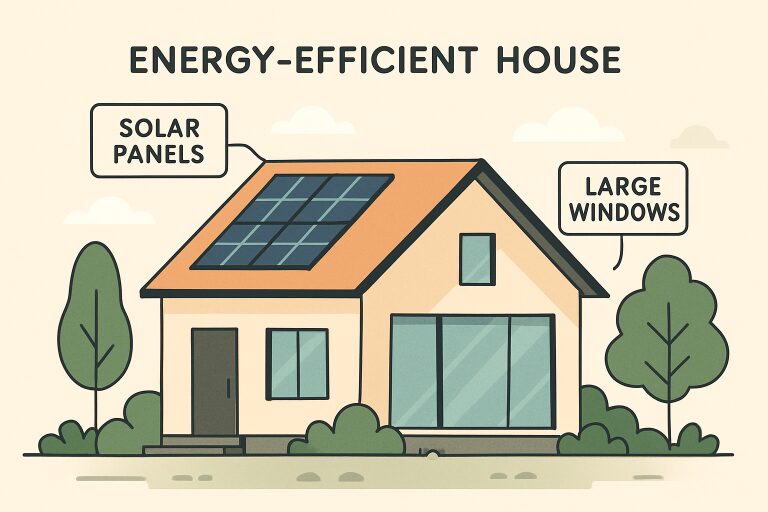
Energy efficiency remains at the forefront of the sustainable home movement. Techniques such as passive solar design, superior insulation, and efficient window placement are reducing the need for artificial heating and cooling. In addition to design strategies, energy-efficient appliances and lighting, such as LED fixtures and ENERGY STAR-rated products, help homeowners further reduce utility bills and environmental impact. Projects such as the Solar Umbrella House in Los Angeles demonstrate how smart solar design and advanced insulation can deliver near-energy independence, serving as a blueprint for broader industry transformation.
Innovative Materials
The shift toward low-impact, innovative materials marks another major stride in sustainable home design. Modern builders are moving away from conventional steel and concrete, opting instead for cross-laminated timber, bamboo, recycled metal, and even bio-based alternatives like hempcrete. These materials provide structural durability while improving thermal performance and reducing the carbon footprint. The Tecla House in Italy is a standout example, using local clay and 3D printing technology to create an energy-efficient, low-impact home.
Biophilic Design
Biophilic design integrates natural elements and patterns into residential spaces, supporting both well-being and a sense of connection to the environment. Incorporating features such as floor-to-ceiling windows for daylight, operable windows for ventilation, and the liberal use of indoor plants can help homeowners achieve healthier air quality and mood-enhancing environments. The living room of Anne Hathaway’s former NYC apartment highlights this trend, with bright, soft design and organic materials that foster a sense of warmth and tranquility. Learn how this style shapes wellness and modern living through Homes & Gardens’ coverage of Anne Hathaway’s living room.
Net-Zero Homes
Net-zero homes strive to balance the energy they consume with the energy they generate from renewable sources, most often through solar panels and battery storage. By targeting net-zero status, a home can become virtually self-sustaining over the course of a year. This practice has moved from niche markets into the mainstream thanks to initiatives such as the 2030 Challenge, which calls for all new buildings to achieve carbon-neutral performance by the end of this decade. The transition to net-zero living not only benefits the planet but also builds resilience against energy cost fluctuations and grid instability.
Smart Home Technology
Modern sustainability is powered by smart home technology that keeps homes comfortable while using less energy. Automated thermostats, lighting systems, and water management tools allow homeowners to control and optimize home performance remotely. These systems reduce waste, flag maintenance issues early, and help support grid stability by responding to real-time energy demands. Builders like Cosmic Buildings are now setting new standards for sustainable homes, offering off-grid options that combine advanced solar rooftops with integrated battery systems and cutting-edge robotics. Discover examples of these futuristic, sustainable homes in Forbes.
Case Studies
Real-life projects highlight the transformative power of sustainable design. The Lincoln Research House in Dallas serves as a research-based prototype that addresses the challenges of hot, humid climates while demonstrating advanced indoor climate control and material optimization. By bridging research with practical building solutions, projects like these set benchmarks for replicable, cost-effective, sustainable homes nationwide.
Conclusion
Sustainable home design has firmly established itself as the blueprint for the future of architecture. With an emphasis on energy efficiency, thoughtful material selection, harmonious indoor-outdoor relationships, renewable energy solutions, and the integration of smart technology, homeowners now have abundant choices to make their spaces healthier and more resilient. By focusing on these core principles, today’s personalized homes can meet family needs while making a long-term positive impact on the planet.
- How Quality Marine Coatings Can Extend the Life of Your Waterfront Investments
- Why SEO Matters for Digital Safety and Trust Online
- How Sustainable Home Design Is Shaping the Future
- How Real Estate Transaction Coordinators Simplify Complex Closings
- How Brands Can Connect With Gen Z Through Authentic Product Testing