

Key Takeaways
- Consistent physical activity and mindful movement can lower anxiety levels.
- Mindfulness, meditation, and deep breathing counter the stress response.
- Balanced nutrition and limiting stimulants, such as caffeine, can improve emotional balance.
- Better sleep and effective time management are essential for protecting mental health.
- Seeking professional support is crucial if anxiety feels overwhelming.
Feeling anxious from time to time is a regular part of life. Still, when anxiety starts to affect your daily activities, it’s essential to take proactive steps to maintain your well-being. There are simple, practical strategies you can incorporate into your routine to regain a sense of calm and control. If you feel like anxiety is starting to disrupt your quality of life, reaching out to a professional, such as an Anxiety Psychiatrist Miami, may provide the extra support you need for lasting relief.
Many science-backed habits can help reduce anxiety and bring a greater sense of balance to your life. These range from physical practices, such as exercise and breathing techniques, to lifestyle adjustments involving nutrition and time management. Embracing even a few of these tips can lead to notable improvements over time.
Learning what works best for you may require some experimentation, as everyone’s triggers and responses are unique. Focus on the healthy changes you can make daily for sustainable, long-term anxiety management. With commitment and consistency, it’s possible to cultivate resilience and a stronger sense of emotional stability.
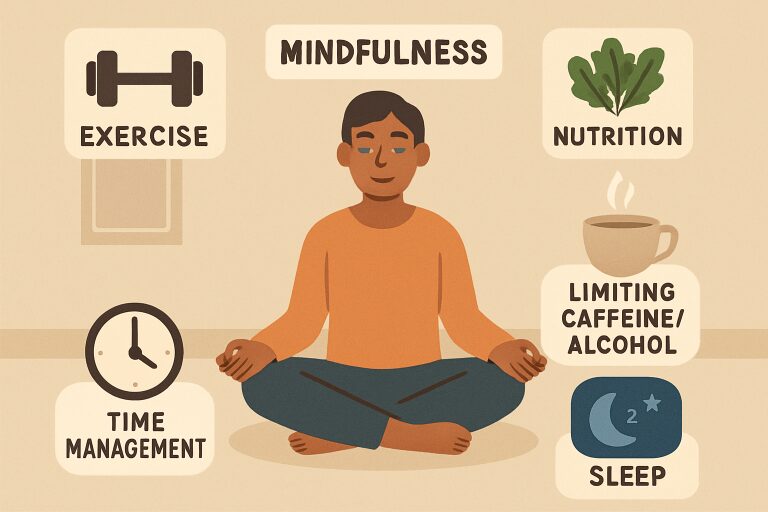
Engage in Regular Physical Activity
Exercise is more than a fitness booster—it’s a proven mood stabilizer. Activities such as walking, swimming, and yoga help release endorphins, which are natural chemicals in the brain that ease stress and anxiety. According to studies by the Anxiety & Depression Association of America, people who engage in regular physical activity experience lower anxiety levels and improved overall mental health. Find a form of movement you enjoy to make it part of your daily life and maximize the benefits.
Practice Mindfulness and Meditation
Mindfulness encourages you to focus your attention on the present, helping to disrupt repetitive cycles of anxious thinking. Guided meditation, mindful breathing, and body-scan exercises can be practiced in just a few minutes each day, whether at home or on the go. Mindfulness-based interventions have consistently shown positive results in clinical trials, reducing both the frequency and intensity of anxiety symptoms. Exploring apps, online classes, or local groups can be a helpful way to get started.
Maintain a Balanced Diet
Nutrition plays a surprising role in mental health. Diets rich in lean proteins, complex carbohydrates, leafy greens, and omega-3 fatty acids are linked to reduced anxiety and enhanced emotional well-being. Conversely, high intakes of refined sugar, processed foods, and saturated fats have been linked to increased risk of mood disturbances. Even small changes, such as adding more fruits and vegetables or swapping a sugary snack for nuts, can make a difference. For further reading, see Healthline’s nutrition-based guide for anxiety relief.
Limit Caffeine and Alcohol Intake
Though coffee and alcohol are common ways to relax or jumpstart the day, both substances can amplify anxiety symptoms. Caffeine may trigger restlessness or panic, while alcohol can disrupt brain chemistry and sleep quality, worsening overall anxiety. Switching to herbal tea, water, or low-caffeine drinks can help you stay hydrated and balanced. Consider simple substitutions or gradual reduction if quitting all at once feels too challenging.
Establish a Consistent Sleep Schedule
Sleep and anxiety are deeply connected. Inadequate rest can heighten feelings of stress and make it harder to cope with daily challenges. Aim for 7 to 9 hours of quality sleep per night and maintain a consistent routine, including weekends, to support your biological clock. If falling or staying asleep is difficult, try dimming the lights, limiting screen time an hour before bed, or practicing gentle breathing exercises as you wind down. The CDC highlights the importance of sleep hygiene for reducing anxiety and promoting overall well-being.
Manage Time Effectively
Feeling constantly overwhelmed often heightens anxiety. Break your responsibilities down into manageable steps, set realistic expectations for yourself, and prioritize what truly matters each day. Using digital calendars, to-do lists, or productivity techniques such as the Pomodoro Method can help you stay organized and stress-free. Remember, it’s okay to ask for help and to say no to tasks that don’t align with your current priorities.
Practice Deep Breathing Techniques
Intentional deep breathing sends a calming signal to your nervous system. Techniques such as diaphragmatic breathing, box breathing, and the 4-7-8 method are easy to learn and can be used anywhere. When practiced regularly, these methods help reduce anxiety by lowering your heart rate and blood pressure, providing a simple way to respond to stressful moments as they arise.
Seek Professional Support When Needed
Sometimes, anxiety may persist despite your best efforts with self-help strategies. A mental health professional can provide tailored support, therapies, and, when appropriate, medication management. Don’t hesitate to reach out if your symptoms feel unmanageable or interfere with your day-to-day functioning. Professional treatment often brings rapid relief and empowers you with new coping skills.
Incorporating these science-backed strategies into your everyday routine can help you regain a sense of calm and resilience. Remember, meaningful change often starts with just one new habit. Over time, these small but consistent steps lead to lasting improvements in your emotional health and overall quality of life.