
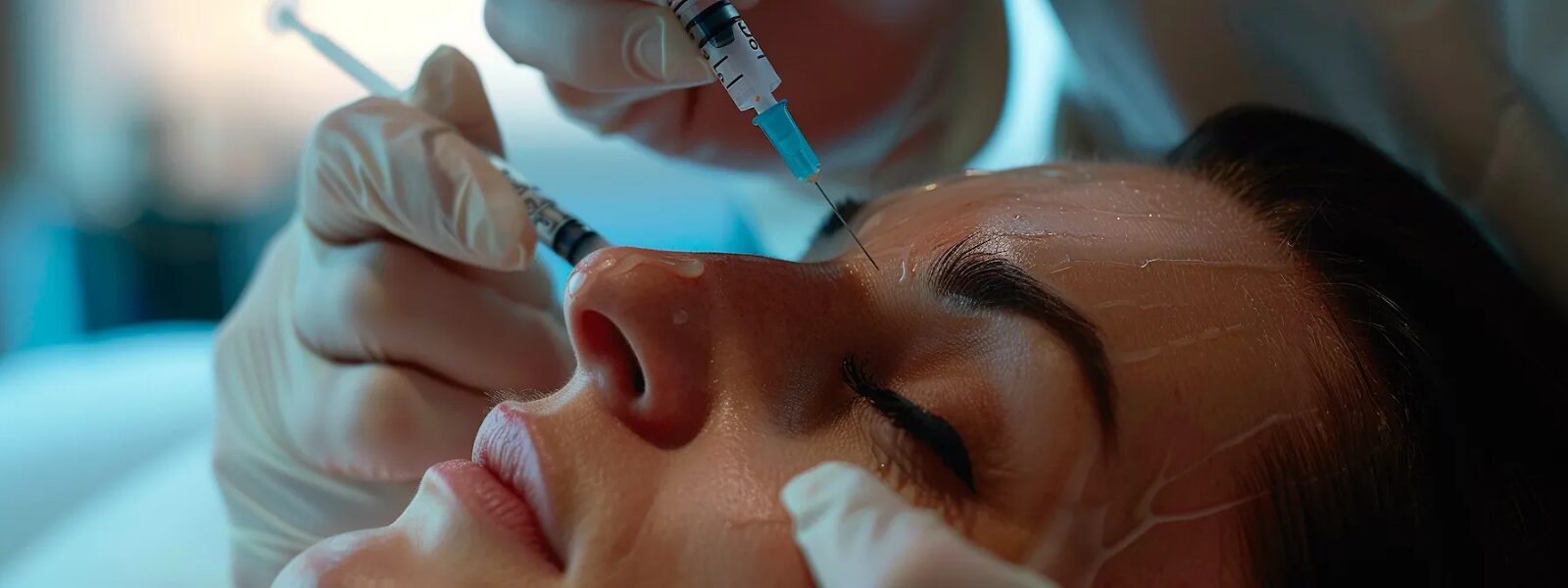
The quest for youth and beauty has led to the rise of various cosmetic treatments, and among them, Botox and dermal fillers stand out as popular non-surgical options. These treatments offer a quick, relatively painless way to smooth wrinkles, enhance facial features, and restore a youthful appearance. While the terms are often used interchangeably, they serve distinctive purposes within cosmetic medicine. Understanding the full extent of their benefits requires a deeper look at how they work and what they can achieve. Below, we unravel the world of these innovative cosmetic solutions.
Understanding Botox and Dermal Fillers: A Brief Overview
Botox, a neurotoxin derived from Clostridium botulinum, works by temporarily paralysing muscles to reduce the appearance of fine lines and wrinkles. It’s commonly used to treat dynamic wrinkles that form from repeated facial expressions, such as crow’s feet around the eyes and frown lines between the eyebrows. This muscle-relaxing effect can last for several months, providing a smoother, more youthful complexion.
On the other hand, dermal fillers consist of substances, often hyaluronic acid, that add volume and stimulate collagen production when injected beneath the skin. They are ideal for static wrinkles that are visible even at rest, such as nasolabial folds or marionette lines. Additionally, fillers can enhance lip volume, sculpt cheeks, and rejuvenate hands, making them multifaceted tools in aesthetic medicine.
Both treatments require minimal downtime, allowing patients to return to their daily routines with renewed confidence. Clinics, such as the Lewis Center med spa, offer these services with a focus on natural-looking results. Selecting a qualified, experienced professional is crucial to achieving optimal outcomes and ensuring patient safety.
As part of a personalised skincare regimen, Botox and fillers can work together or independently to address various concerns. Understanding the distinctions between the two is key to setting realistic expectations and discussing potential treatment plans with a healthcare provider.
Botox as a Solution for Chronic Migraines and Muscle Spasms
While Botox is widely used for cosmetic applications, its medical benefits are equally notable. Chronic migraines can be debilitating, but Botox has been approved as a treatment for adults who suffer from these frequent, intense headaches. Preventing neurotransmitter release at the injection site can reduce the frequency of migraine episodes for some sufferers.
Botox also serves as a treatment option for various muscle-related conditions, such as uncontrollable muscle spasms, cervical dystonia, and even certain cases of limb spasticity. The neurotoxin’s ability to relax muscles can provide patients with relief from the pain and discomfort associated with these conditions, improving their quality of life.
The effectiveness of Botox in these medical applications relies on targeted administration by qualified medical professionals. As a non-invasive alternative to more intensive treatments, it presents a manageable option for those with chronic conditions. Repeated treatments may be necessary for sustained relief, but many patients find this preferable to more drastic measures.
Understanding Botox‘s full potential beyond aesthetics opens new treatment avenues for various health conditions. The therapeutic effects in controlling conditions such as migraines and muscle spasms signify the versatility and significance of this neurotoxin in modern medicine.
The Safety and Side Effects of Botox and Dermal Fillers: What You Need to Know
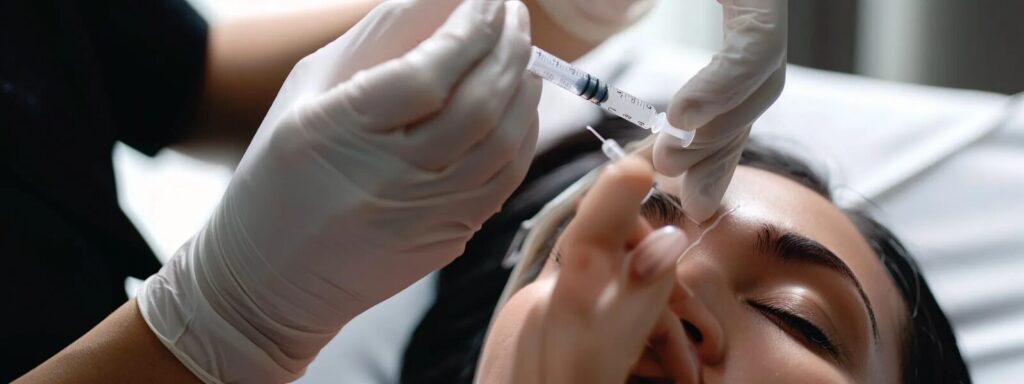
As with any medical procedure, it’s imperative to understand the safety protocols and potential side effects associated with Botox and dermal fillers. When performed by a licensed, experienced practitioner, both are considered safe with a relatively low risk of complications. Nonetheless, it is crucial for patients to discuss their medical history and possible allergies to avoid adverse reactions.
Common side effects of Botox may include temporary bruising, swelling at the injection site, or a mild headache. In rare cases, the toxin can spread beyond the treatment area, causing muscle weakness or an eyelid droop. For dermal fillers, side effects can range from temporary redness and swelling to more serious, albeit rare, complications like infections or vascular occlusion.
It’s also critical for patients to recognize the signs of complications and seek medical intervention when necessary. Overall, the widespread use and extensive research on these treatments support their favourable safety profiles, enabling many individuals to benefit from their effects with confidence.
Whether as anti-ageing solutions, medical treatments, or tools to enhance one’s natural aesthetics, Botox and dermal fillers offer a wide range of benefits. Over time, these treatments have proven effective and safe, giving countless individuals the confidence and control to manage their appearance. Overall, as long as individuals make informed choices and consult qualified professionals, they can experience the transformative effects of these popular cosmetic procedures.