


Introduction

Many service business owners dream of expansion, but simply growing revenue often means growing costs at the same rate. This linear trap can lead to burnout and limited profitability. True scaling service businesses is different; it means increasing revenue much faster than expenses, creating greater efficiency and value across any market. Understanding this distinction is crucial, especially since a significant 74% of startups fail due to premature scaling. We aim to help you avoid common pitfalls and build a robust, profitable enterprise that thrives for years to come.
To explore comprehensive strategies for your business’s future, visit our main guide on business growth and contact us for a personalized scaling consultation.
In this extensive guide, we will explore the core blueprint for scaling service businesses, from productizing your offerings to leveraging advanced digital systems. We will also dive into preparing your business for a high-value exit and address common challenges. Our goal is to provide actionable insights, focusing on data-driven approaches that unlock sustainable growth. For instance, effective Data-driven digital marketing for scaling is often a cornerstone of successful expansion, ensuring your efforts reach the right audience efficiently.
The Core Blueprint for Scaling Service Businesses
The fundamental difference between simply growing a business and truly scaling it lies in the relationship between revenue and costs. Growth typically means that as your revenue increases, your expenses rise proportionally. You might hire more staff for every new client, or invest in more equipment for every additional project. While this can lead to higher revenue, it often maintains similar profit margins and demands more of the owner’s time.
Scaling, on the other hand, is about achieving exponential revenue growth with only a marginal increase in costs. It’s about building operational leverage and controlling overhead, breaking the linear relationship between revenue and expenses. Companies that master this can achieve impressive results, with some reaching a 30% net margin during peak seasons without significantly increasing their overhead. This shift transforms a business from a high-paying job for the owner into a valuable, self-sustaining asset.
To illustrate this critical distinction, consider the following:
Feature Linear Growth Exponential Scaling Revenue vs. Costs Revenue and costs increase at similar rates. Revenue increases significantly faster than costs. Resource Dependency Requires proportional increase in resources (staff, equipment) for increased output. Leverages existing resources and systems to handle increased demand. Owner Involvement Often demands more of the owner’s time and direct involvement. Aims for owner independence, with systems running the business. Profit MarginsTypically maintains stable or slightly increasing profit margins. Significantly improves profit margins over time due to efficiencies. Sustainability Can be limited by available resources and owner capacity. Built for long-term, sustainable expansion and higher valuations. Achieving this level of scaling requires a strategic approach that focuses on productization, systematization, and smart delegation, moving away from a model where the owner is the primary bottleneck.
Transitioning from Bespoke Work to Productized Offerings
One of the most effective strategies for scaling a service business, and making it significantly more valuable, is productization. A productized service is essentially a service that runs systematically, with predefined deliverables, scope, and pricing, allowing it to continue producing and growing with or without your direct involvement. This transforms bespoke, one-off projects into standardized packages that can be sold repeatedly.
Why does this matter? Productized service businesses are much easier to sell and can command higher valuations. They offer clear, repeatable processes that buyers can understand and operate, reducing reliance on the original founder’s unique skills or relationships. By packaging your offerings, you create a system that can serve a larger volume of clients more efficiently.
Consider implementing a three-tier pricing model: a foundation tier for basic needs, a transformation tier for the majority of your clients (70-80%), and a premium partnership tier for those seeking extensive, high-value engagement at a higher price point (150-180% of the transformation price). This structure allows you to cater to different client segments while ensuring consistent delivery and maximizing margins.
The process of productizing involves:
- Niche Down: Focus on one specific service for one type of customer. This narrow focus, contrary to common fear, often increases referrals and client quality.
- Identify Repeatable Elements:Pinpoint the 20% of your services that solve 80% of your clients’ problems. These are prime candidates for productization.
- Document Delivery Playbooks:Create detailed, step-by-step guides for how these services are delivered. This ensures consistency and quality, regardless of who is performing the task.
- Standardize Client Onboarding:Streamline the initial client experience, from intake to project kickoff, to reduce administrative burden and improve efficiency.
- Retain Intellectual Property:Structure client contracts to allow for the reuse or licensing of deliverables, paving the way for future product development.
By productizing, you shift from trading time for money to selling repeatable solutions, enabling your business to move at double speed and achieve greater scalability. This approach is crucial for increasing profit margins and preparing your business for a high-value exit.
Overcoming the Founder Bottleneck in Scaling Service Businesses
A common challenge for service businesses aiming to scale is the “founder bottleneck.” Often, the business’s growth is directly tied to the owner’s capacity, expertise, and direct involvement in every decision and delivery. This can feel like owning a high-paying job rather than a scalable business. If your business grinds to a halt when you take a vacation, you’re likely caught in this trap. Scaling from $3 million to $10 million in revenue, for instance, fundamentally shifts the bottleneck from proving the business model to managing the founder’s time.
Overcoming this requires a deliberate transition from operator to strategic architect, focusing on building systems and empowering your team. The scaling gap in professional services is often a systems gap, not a talent gap.
Key strategies to overcome the founder bottleneck include:
- Delegation Frameworks: Don’t just offload tasks; create clear frameworks for delegation. Start by identifying energy-sapping tasks that consume your time but don’t require your unique expertise. Delegate these first to maintain your motivation and focus on higher-value activities.
- “Trailblazer” Hires: When expanding, don’t just hire for capacity. Bring in high-quality “trailblazer” employees who can help refine processes and set a high standard. These individuals can test and improve your documented systems before you scale hiring to more junior staff.
- Standard Operating Procedures (SOPs): Document everything. From client intake to service delivery and billing, creating detailed SOPs ensures consistency and quality. This makes your processes foolproof, reducing errors and enabling new hires to quickly become productive. Businesses should run on systems, not individual heroics. For a deeper dive into establishing organizational clarity and accountability, exploring frameworks like the Entrepreneurial Operating System (EOS) can be highly beneficial. Many businesses, including those in the home service sector, have found immense value in this approach; to learn more, consider Why Every HVAC Business Should Consider EOS.
- Quality Control Mechanisms:Implement robust quality control to maintain service standards as you scale. This can include regular audits, client feedback loops, and performance reviews.
- Empower Your Team: Shift from solving problems directly to developing the people who solve problems. Allow employees to make mistakes and learn from them, responding with coaching rather than punishment. This fosters a culture of ownership and problem-solving, making your business less reliant on your direct intervention.
By building processes that work without your constant presence, you transform your business into a self-sustaining entity, ready for significant expansion. The biggest risk at this growth stage isn’t a lack of opportunity, but complexity creep from adding new products or markets before your core systems are stable.
Digital Infrastructure and Systems for Real Estate and Service Sectors
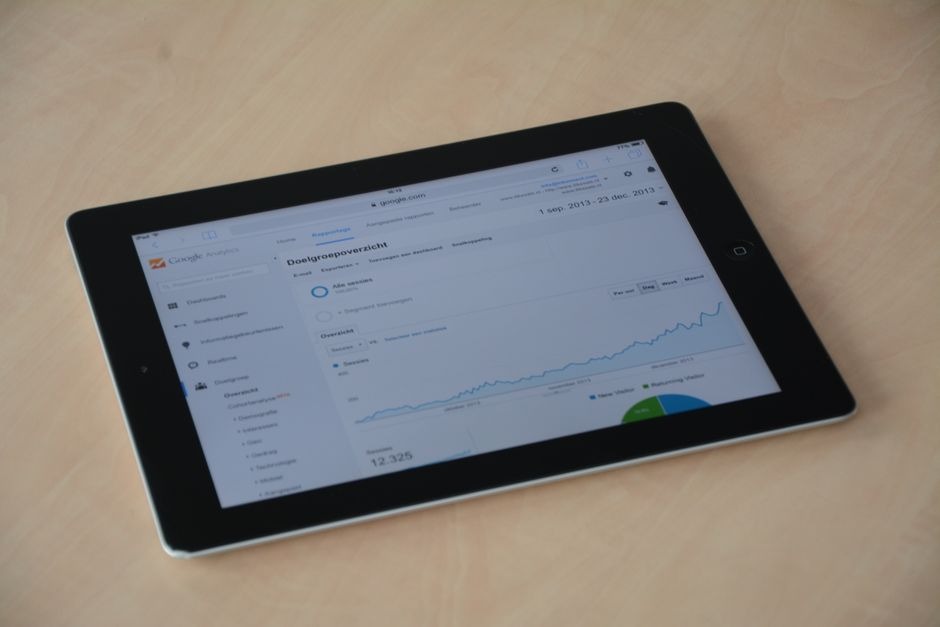
In today’s digital landscape, robust infrastructure and integrated systems are non-negotiable for scaling service and real estate businesses. The right technology stack can automate repetitive tasks, provide critical data insights, and ensure a consistent customer experience across all touchpoints.
Central to this infrastructure are CRM systems. A comprehensive CRM acts as the single source of truth for all client interactions, from initial lead to post-service follow-up. It allows you to track customer journeys, manage sales pipelines, and personalize communication, which is crucial for maintaining client relationships during rapid growth. Clean CRM data is also a significant valuation driver, signaling operational maturity and predictability to potential buyers.
For businesses operating in specific geographic areas, local SEO is paramount. As you expand, whether through new service areas or additional locations, replicating and optimizing your local online presence becomes a strategic asset. This involves building city-page frameworks, standardizing citation processes, and managing Google Business Profiles across all markets. This systematic approach to local SEO ensures that your business remains visible and accessible to local customers, a key factor in scaling real estate businesses and other service providers.
Furthermore, a tailored online presence is essential for multi-location businesses. A website designed to support multiple locations can streamline customer access, centralize branding, and provide localized content. For guidance on this, explore how Multi-Location Businesses Need Tailored Website to effectively serve diverse markets.
The goal is to move towards a unified communications platform, integrating various tools into a seamless system. This not only reduces tool-switching costs but also supports remote and distributed teams, enabling your business to scale without being constrained by physical location.
Leveraging AI and Automation for Operational Efficiency
The rapid advancements in artificial intelligence (AI) and automation are revolutionizing how service businesses scale. By 2026, AI adoption in resource management alone is projected to climb by 55%, demonstrating its increasing importance. These technologies allow businesses to multiply output without proportionally increasing headcount, breaking the traditional time-for-money exchange.
One of the most impactful applications of AI and automation is in improving speed-to-lead. In service industries, the speed at which you respond to inquiries can directly impact conversion rates. Implementing 24/7 response coverage, often powered by AI agents or automated systems, can minimize response times from hours to seconds. This “speed-to-lead” is considered a high-ROI change, significantly boosting booking rates and customer satisfaction.
AI agents can also take on repetitive administrative roles, freeing up human staff for more complex, client-facing tasks. This includes:
- Automated Workflows: From initial contact to scheduling, billing, and follow-ups, AI-driven workflows can streamline operations, reducing manual effort and potential errors.
- Research and Report Generation: AI tools can quickly gather and synthesize information, generating reports and insights that would take human employees hours.
- Client Communication: AI can assist with drafting responses, personalizing outreach, and managing routine client communications, saving 3-5 hours per person weekly in some cases.
- Data Analysis: AI can process vast amounts of data to identify trends, predict customer behavior, and optimize pricing strategies.
By automating core operations, businesses can achieve significant productivity improvements. For example, some professional services firms using AI have seen their revenue per employee reach $225,000, compared to $203,000 for non-AI users. This efficiency gain directly contributes to higher profit margins and allows for more strategic resource allocation. To delve deeper into how these technologies are transforming the home service sector, consider reading The New Game: AI Pricing and How Home Service Businesses Win Now.
Building Predictable Pipelines for Scaling Service Businesses
A key component of sustainable scaling is establishing a predictable and consistent inflow of qualified leads. Many businesses rely on inconsistent lead generation methods or “hustle,” which doesn’t scale. Instead, the focus should be on building automated, repeatable pipelines that generate high-quality inbound lead flow.
Inbound lead flow is highly valued by investors and critical for scaling because it typically costs 61% less than outbound methods and converts at higher rates. It signifies a robust, system-driven approach to customer acquisition rather than a reliance on individual sales efforts or external factors like seasonal demand. For instance, businesses that depend on “storm-chasing” for revenue often struggle when market conditions stabilize, highlighting the importance of predictable inbound systems.
Key strategies for building a predictable pipeline include:
- Scalable Local SEO Systems: For service businesses, especially those with multiple locations or service areas, developing a replicable local SEO strategy is crucial. This involves creating city-page frameworks, standardizing citation and backlink processes, and optimizing Google Business Profiles across all target markets. This systematic approach allows you to expand your digital footprint efficiently.
- High-Converting Websites: Your website acts as your 24/7 sales representative. It needs to be designed not just for aesthetics, but for conversion. This means clear calls to action, easy navigation, and content that addresses customer pain points.
- Strategic Digital Marketing Channels: Invest in proven growth channels like Google Local Service Ads (LSAs) and comprehensive search engine optimization (SEO). These channels focus on capturing demand from customers actively searching for your services.
- Focus on Lead Quality: Rather than chasing every lead, prioritize quality over quantity. Implementing lead scoring and qualification processes ensures your sales team spends time on prospects with the highest potential for conversion and profitability.
- Brand Strength: A strong brand creates a “moat” around your business, enabling premium pricing and easier expansion into new markets. It builds trust and recognition, making your marketing efforts more effective.
Regularly tracking key performance indicators (KPIs) is essential to monitor the health and effectiveness of your pipeline. Metrics such as customer acquisition cost (CAC), customer lifetime value (LTV), conversion rates, and lead-to-customer ratios provide invaluable insights. To understand which metrics truly move the needle, especially in the home service sector, refer to Essential KPIs for Home Service Digital Marketing. By systematically building and optimizing your lead generation machine, you create a foundation for continuous, predictable growth.
Preparing the Business for a High-Value Exit
While the immediate goal of scaling is often increased revenue and profitability, smart entrepreneurs recognize that building a scalable business also means building a sellable business. Preparing for a high-value exit should begin long before you’re ready to sell, influencing how you structure your operations, build your team, and manage your finances. Productized service businesses, with their repeatable systems and reduced reliance on the owner, are inherently more attractive to buyers and can command significantly higher valuations.
The ultimate objective is to create a business that can operate effectively without your constant presence – a “business in a box.” This transforms your ownership from a high-paying job into a valuable asset. For an inspiring example of how strategic changes can lead to remarkable business transformation and value, consider the story of From Near Bankruptcy to 2,600% ROI: How Airworks Solutions Built a Business Worth Keeping.
Key aspects of preparing for a high-value exit include:
- Owner Independence: Buyers are looking for a business, not another job for themselves. If the business relies heavily on your personal relationships or unique skills, its value diminishes. Build systems and empower your team so that operations can continue seamlessly without your direct involvement.
- Clean Financials: Meticulously maintained financial records are non-negotiable. Work with a certified public accountant (CPA) or a fractional CFO to ensure your books are clean, accurate, and transparent. Buyers will scrutinize your financials, and any inconsistencies can raise red flags. They often care more about the owner’s personal income (W-2, K-1) generated by the business than just the top-line revenue, as this indicates true profitability and owner benefit.
- Documented Systems:Comprehensive operations manuals and employee handbooks are crucial. These documents codify your processes, making the business easy to understand, replicate, and transfer to new ownership. This “business in a box” approach significantly increases attractiveness to buyers.
- Brand, Not Personality: Avoid naming your company after yourself or making your personal brand synonymous with the business. This makes it harder for buyers to envision themselves at the helm. Focus on building a strong, independent brand identity.
By focusing on these elements, you not only build a more resilient and profitable business for today but also lay the groundwork for a smooth and lucrative transition when the time comes to sell.
Financial and Operational Readiness for Buyers
Beyond the general principles of owner independence and clean financials, specific financial and operational metrics are critical for making your service business attractive to buyers. These metrics demonstrate the business’s health, scalability, and predictable future performance.
- Gross Margins: Buyers will closely examine your gross margins, which indicate the profitability of your core services before overhead. Healthy gross margins typically range from 35% to 55% for service businesses. Regularly reviewing your pricing and margin on key contracts can help identify underpriced work and areas for improvement. As capacity increases, strategically raising prices can further boost these margins.
- Net Revenue Retention (NRR): This metric measures the revenue generated from your existing client base, accounting for upgrades, downgrades, and churn. A high NRR signifies strong customer satisfaction, loyalty, and the ability to grow revenue from existing relationships, which is a powerful indicator of future stability. For licensing and software models, maintaining 80% or higher yearly retention is often a benchmark for strong exit multiples.
- Capacity Planning and Utilization:Efficient capacity planning ensures you can meet demand without overspending on resources. Buyers want to see that your business can scale without excessive staffing. Define target utilization rates for different roles (e.g., 70-75% for senior leads, 80-85% for delivery staff) to maximize efficiency without burning out your team. The most profitable dollar is often the second or third one earned from the same client through retention and expansion.
- Cash Flow Management: Consistent, positive cash flow is paramount. Buyers want to see a business that generates its own funding for operations and growth. This involves tight billing mechanics, prompt invoicing, and consistent collections.
- Strategic Funding: While scaling, access to appropriate funding can accelerate growth, whether for expansion, acquisitions, or technology investments. Understanding how to finance these initiatives strategically is crucial. For insights into securing the necessary capital, refer to Strategic Funding for Contractor Growth: How to Finance Expansion, Acquisitions, and Scale.
By meticulously tracking these financial and operational metrics, you provide buyers with clear evidence of a well-managed, scalable, and profitable business, significantly increasing its perceived value and attractiveness.
Frequently Asked Questions about Business Expansion
Scaling a service business is a complex journey, often fraught with common roadblocks and requiring careful navigation. Addressing frequently asked questions can help clarify expectations and provide practical guidance for mitigating risks and ensuring readiness.
How do you determine the right time to scale a service business?
Determining the right time to scale is a critical decision that can make or break your expansion efforts. Premature scaling, as indicated by the 74% startup failure rate, is a significant risk. Instead, look for clear signs that your business has a stable foundation and is ready for exponential growth:
- Unmet Demand from Ideal Clients:You consistently have more demand than you can comfortably handle, particularly from your defined “dream clients.” This indicates market readiness and a proven service model.
- Stable Cash Flow and Financial Health: Your business consistently generates positive cash flow, and you have sufficient reserves to invest in scaling initiatives without jeopardizing current operations. A thorough check of your financial health is essential.
- Operational Capacity and Standardized Systems: Your core business model is working efficiently, and you have documented, repeatable systems in place. Your team can execute tasks without constant owner intervention, indicating a robust operational capacity. Reviewing your tech infrastructure and assessing your team’s capabilities are also crucial.
- Market Analysis Shows Long-Term Opportunity: Beyond immediate demand, market analysis confirms a sustained, long-term opportunity for your services, indicating that your scaling efforts will be met with continued demand.
When employees are overwhelmed, long-term goals seem unattainable with current resources, or leads are dramatically increasing, these are strong signals that it’s time to consider scaling.
What are the biggest mistakes made when scaling?
Scaling offers immense potential, but it’s also where many businesses falter. Avoiding common pitfalls is as important as implementing effective strategies:
- Premature Scaling: Attempting to scale before your core business model is proven, your systems are robust, or your finances are stable. This is a leading cause of startup failure (74%).
- Hiring Ahead of Process: Bringing on new team members without clear roles, documented processes, or adequate training. This often leads to confusion, inefficiency, and new hires essentially building “micro-businesses” within your organization, rather than contributing to a unified system.
- Ignoring Margins in Pursuit of Revenue: Chasing top-line revenue growth without a focus on profitability. This can lead to increased complexity, custom work disguised as recurring revenue, and ultimately, shrinking margins. A common trap is believing “more sales fixes margin,” when often it exacerbates operational inefficiencies.
- Complexity Creep: Adding new products, services, or markets before your core systems are stable. This introduces unnecessary complexity and can overwhelm your team and resources.
- Lack of Delegation and Owner Bottleneck: The owner remains too involved in day-to-day operations, becoming the primary bottleneck. This prevents the business from growing beyond the owner’s capacity and makes it less attractive to potential buyers.
- Not Documenting Systems: Relying on tribal knowledge rather than codified processes. This makes it impossible to replicate success, train new staff effectively, or maintain quality consistently.
To avoid these mistakes, continuously audit your operations, maintain financial discipline, and prioritize building scalable systems over rapid, unplanned growth.
How can a business maintain quality and culture during rapid growth?
Maintaining quality and a strong company culture during rapid scaling is one of the most significant challenges, yet it’s crucial for long-term success and customer retention.
- Consistent Leadership and Core Values: Culture isn’t something you control; it’s something leaders choose and embody. Consistent leadership, from the founder down through all management levels, is imperative. Clearly define and communicate your core values, ensuring they guide all decisions, from hiring to client interactions.
- Promoting from Within: Prioritize promoting employees who embody your company’s values and understand its systems. This helps preserve institutional knowledge, maintains cultural continuity, and provides clear career paths, which is vital for employee retention. Keep leaders in place as long as possible to foster stability.
- Documented Customer Journeys and Quality Control: Standardize the customer experience by documenting every step of the customer journey. Implement strict quality control measures and feedback loops to ensure that service standards are consistently met, even as your client base expands. Make client service your top priority.
- Foster a Culture of Transparency and Empowerment: Create an environment where employees feel empowered to contribute ideas, identify issues, and solve problems. Transparency about the company’s vision, challenges, and successes helps maintain engagement and a sense of shared purpose. A culture that facilitates change is a growth engine, requiring cross-team forums and open communication.
- Strategic Hiring and Onboarding:While scaling, hire strategically, focusing on cultural fit as much as skills. Develop comprehensive onboarding programs that immerse new hires in your company’s values, systems, and expectations. This ensures that new team members quickly integrate and uphold your standards.
By proactively investing in your culture and quality control mechanisms, you can ensure that your rapid growth doesn’t come at the expense of your brand reputation or employee morale.
Conclusion
Scaling a service business is a transformative journey that demands strategic foresight, operational discipline, and a commitment to building robust systems. It’s about moving beyond the linear trap of simply growing revenue and instead creating an enterprise that generates exponential returns with controlled costs. From productizing your bespoke offerings to leveraging cutting-edge digital infrastructure and AI, every step is designed to build a business that works for you, rather than the other way around.
As we look towards June 2026 and beyond, the emphasis on predictable pipelines, lean operations, and a strong, adaptable culture will only intensify. By understanding the critical distinction between growth and scaling, overcoming the founder bottleneck, and meticulously preparing your business for a high-value exit, you can unlock unprecedented levels of profitability and long-term success.
The blueprint for sustainable scaling is clear: systematize, productize, automate, and empower your team. Embrace data-driven decision-making, continuously optimize your processes, and always keep an eye on the ultimate goal of building a valuable, independent asset. With this strategic approach, your service business can not only expand its reach but also thrive as a resilient and highly profitable entity in an ever-evolving market.
- TechTrendery.com: A Complete Guide to Technology, AI, Business and Digital Trends
- Jeroen Dik: Biography, JD Engineering, Automotive Tuning and Racing Career
- Osteopur: The Ingredients, Bone Health, Benefits, Safety, and What to Know
- Cbybxrf: Meaning, Origin, Feedback, Learning, and Digital Context
- Doujen Moe: Meaning, Background, Online Search Intent, and Digital Safety