


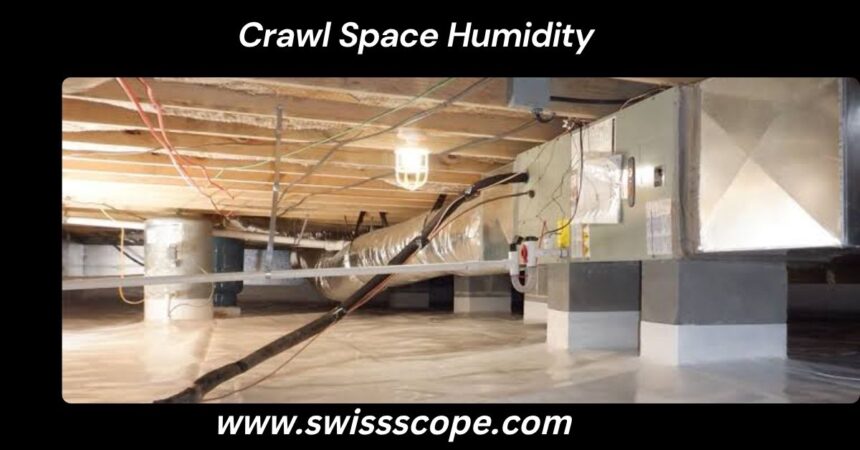

Keeping the right crawl space humidity is one of the most important parts of protecting a home. Many homeowners focus on the roof, walls, or HVAC system, but they often forget about the crawl space. Unfortunately, problems that begin underneath your home can eventually affect your floors, indoor air quality, energy bills, and even your home’s structural strength.
Experts generally recommend maintaining crawl space humidity between 45% and 55%. This range helps protect wooden framing, prevents mold growth, discourages pests, and improves indoor comfort. When humidity rises above this level for long periods, moisture problems can quickly become expensive repairs.
This comprehensive guide explains everything homeowners need to know about crawl space humidity. Whether you have a vented or encapsulated crawl space, you’ll learn how humidity affects your home, how to measure it correctly, and the best long-term solutions for keeping moisture under control.
What Is Crawl Space Humidity?
Crawl space humidity refers to the amount of moisture present in the air beneath your home. It is measured as relative humidity (RH), expressed as a percentage.
Relative humidity compares the amount of water vapor currently in the air to the maximum amount the air can hold at that temperature.
For example:
- 30% RH means the air is fairly dry.
- 45%–55% RH is considered the ideal range.
- Above 60% RH creates favorable conditions for mold growth.
- Above 70% RH significantly increases the risk of structural moisture damage.
Your crawl space acts as the foundation’s breathing area. If excess moisture builds up here, it doesn’t stay below your house. It often moves upward into your living space through a process known as the stack effect.
Why Crawl Space Humidity Matters
Many homeowners don’t realize that up to half of the air inside their home can originate from the crawl space.
When crawl space humidity becomes excessive, the moisture travels upward through floors, wall cavities, and HVAC systems.
High humidity can lead to:
- Mold growth
- Wood rot
- Musty odors
- Higher energy bills
- Poor indoor air quality
- Increased allergy symptoms
- Pest infestations
- Damaged insulation
- Foundation problems
Maintaining healthy humidity levels protects both your investment and your family’s health.
What Is the Ideal Crawl Space Humidity?
Most foundation specialists recommend keeping crawl space humidity between 45% and 55%.
This range provides the ideal balance between preventing mold and avoiding excessively dry wood.
| Humidity Level | Condition | Risk Level |
| Below 35% | Too Dry | Wood shrinkage possible |
| 45–55% | Ideal | Excellent protection |
| 56–60% | Acceptable | Monitor conditions |
| 61–70% | High | Mold risk increases |
| Above 70% | Very High | Serious moisture problems |
This recommended range helps:
- Protect floor joists
- Reduce condensation
- Prevent mold
- Improve energy efficiency
- Extend insulation life
- Protect HVAC equipment
What Causes High Crawl Space Humidity?
Several factors contribute to excessive crawl space humidity.
Also Read: Milyom: The Educational Blogging Platform for Technology, AI, Software, and Digital Growth
Understanding the source is the first step toward solving the problem permanently.
Ground Moisture
Bare soil constantly releases water vapor into the air.
Without a vapor barrier, hundreds of gallons of moisture can evaporate into your crawl space every year.
Ground moisture is often the largest contributor to humidity problems.
Poor Drainage Around the Home
Rainwater should always flow away from your home’s foundation.
Problems include:
- Poor grading
- Short downspouts
- Clogged gutters
- Standing water
- Improper landscaping
Water pooling near the foundation eventually seeps underneath the house.
Open Foundation Vents
Many older homes have vented crawl spaces.
While ventilation sounds helpful, warm outdoor air entering a cool crawl space often creates condensation.
In humid climates, vents frequently make humidity worse instead of better.
Plumbing Leaks
Even small leaks from:
- Water supply lines
- Drain pipes
- HVAC condensate lines
can keep humidity elevated year-round.
HVAC Issues
Improperly insulated ductwork can sweat during summer.
Condensation dripping from ducts increases crawl space moisture.
Seasonal Weather
Humidity naturally rises during:
- Spring
- Summer
- Rainy seasons
Homes in southeastern and coastal regions often experience prolonged high crawl space humidity.
Signs Your Crawl Space Has High Humidity
Many warning signs appear inside the house long before homeowners inspect beneath it.
Common symptoms include:
Musty Smell
A persistent earthy odor often indicates mold growth.
Soft or Uneven Floors
Moisture weakens wooden framing over time.
Floors may begin to sag.
Increased Allergy Symptoms
Mold spores and dust mites thrive in humid conditions.
Family members may experience:
- Sneezing
- Congestion
- Coughing
- Asthma flare-ups
High Indoor Humidity
Your home may feel sticky even with air conditioning running.
Mold on Floor Joists
Visible mold is one of the clearest indicators of excessive crawl space humidity.
Rust
Metal supports, HVAC components, and fasteners begin corroding.
Condensation
Water droplets forming on pipes or ducts suggest humidity is too high.
Why Mold Loves High Crawl Space Humidity
Mold needs only three things:
- Moisture
- Organic material
- Moderate temperatures
A crawl space provides all three.
Wood framing, insulation paper, cardboard storage, and dust become food sources.
Once humidity stays above approximately 60% for several days, mold colonies can begin developing.
Mold spreads through microscopic spores that travel into living spaces.
ALso Read: SSIS 469:A Complete Guide
How Crawl Space Humidity Affects Indoor Air Quality
Your crawl space is connected to the rest of your home.
Warm indoor air rises.
As it rises, it pulls air upward from below.
If your crawl space contains:
- Mold spores
- Moisture
- Dust
- Odors
- Pest waste
these contaminants may enter your home.
Improving crawl space humidity often improves overall indoor comfort.
Can Crawl Space Humidity Damage Your Foundation?
Yes.
Excess moisture affects many building materials.
Wood may:
- Swell
- Warp
- Rot
Metal components may rust.
Concrete can absorb moisture, leading to damp conditions.
Over many years, chronic humidity may contribute to costly structural repairs.
How to Measure Crawl Space Humidity
Never guess.
Use a digital hygrometer.
Many affordable models continuously monitor:
- Relative humidity
- Temperature
- Dew point
Place the monitor:
- Away from vents
- Above ground level
- Away from standing water
Take readings during different seasons.
Humidity often changes dramatically throughout the year.
Best Time to Check Crawl Space Humidity
Inspect your crawl space:
- During spring
- After heavy rain
- During humid summer weather
- Before winter
Seasonal inspections help identify developing problems before they become expensive.
Understanding Relative Humidity vs Moisture Content
These measurements are different.
Relative humidity measures moisture in the air.
Moisture content measures water inside wood.
Both are important.
High humidity usually causes wood moisture levels to rise over time.
Professionals often use moisture meters to evaluate framing.
The Difference Between Vented and Encapsulated Crawl Spaces
Vented Crawl Spaces
Older homes commonly use vents.
Advantages:
- Lower installation cost
- Simple design
Disadvantages:
- Outdoor humidity enters easily
- Condensation risk
- Harder humidity control
- Greater mold risk
Encapsulated Crawl Spaces
Modern homes increasingly use encapsulation.
Benefits include:
- Better moisture control
- Improved energy efficiency
- Cleaner indoor air
- Lower mold risk
- Better HVAC performance
Encapsulation is widely considered the most effective long-term solution for managing crawl space humidity.
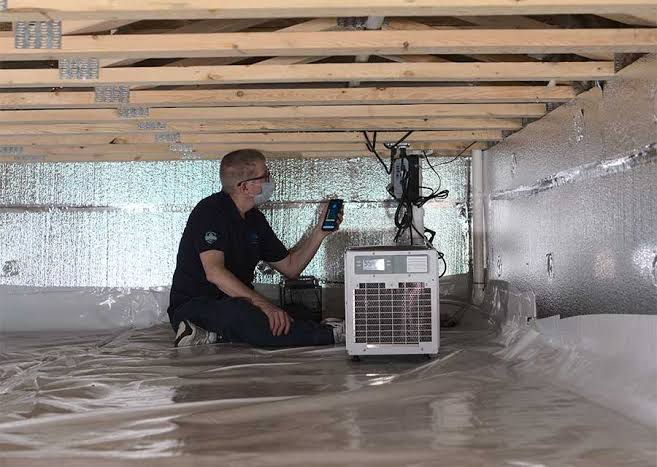
What Is Crawl Space Encapsulation?
Encapsulation seals the crawl space from outside moisture.
A professional installation usually includes:
- Heavy-duty vapor barrier
- Sealed vents
- Air sealing
- Insulated walls (when appropriate)
- Controlled conditioning
- Dehumidifier
This creates a dry, controlled environment beneath the home.
Should You Install a Vapor Barrier?
Yes.
A quality vapor barrier is one of the most effective moisture-control upgrades.
It covers exposed soil to stop water vapor from entering the crawl space.
Professional-grade barriers are thicker and more durable than inexpensive plastic sheets.
Benefits include:
- Lower humidity
- Less mold
- Cleaner crawl space
- Better insulation performance
Is a Crawl Space Dehumidifier Worth It?
For many homes, absolutely.
A crawl space dehumidifier removes excess moisture continuously.
Modern systems:
- Drain automatically
- Operate efficiently
- Maintain preset humidity
- Protect encapsulated spaces
If your crawl space humidity regularly exceeds 55%, a dehumidifier may be an excellent investment.
Should Crawl Space Vents Stay Open?
This depends on your climate and crawl space design.
Older building codes promoted vented crawl spaces.
However, modern research shows that open vents often increase moisture in humid regions.
Many homeowners now seal vents during encapsulation.
Always follow local building codes and consult a qualified contractor before modifying foundation ventilation.
How to Lower Crawl Space Humidity
Several improvements work together.
Improve Exterior Drainage
Ensure water flows away from the home.
Helpful improvements include:
- Extend downspouts
- Clean gutters
- Correct grading
- Install French drains if needed
Cover Exposed Soil
Install a durable vapor barrier.
Repair Plumbing Leaks
Even minor leaks should be repaired immediately.
Seal Air Leaks
Seal openings around:
- Pipes
- Wiring
- Foundation penetrations
Install a Dehumidifier
Maintain humidity between 45% and 55%.
Upgrade Insulation
Wet insulation loses effectiveness.
Replace damaged insulation when necessary.
Common Mistakes Homeowners Make
Many moisture problems continue because of simple mistakes.
These include:
Ignoring musty odors.
Assuming foundation vents solve humidity problems.
Using household fans instead of addressing moisture sources.
Installing thin plastic vapor barriers that tear easily.
Failing to monitor humidity regularly.
Delaying plumbing leak repairs.
Blocking vents without an overall moisture-control plan.
Crawl Space Humidity in Different Climates
Climate has a major impact on moisture control.
Humid Southern States
Homes often require:
- Encapsulation
- Vapor barriers
- Dehumidifiers
Northern States
Winter moisture may be lower, but condensation remains a concern.
Coastal Areas
Salt air and persistent humidity require careful moisture management.
Dry Western Regions
Humidity problems occur less frequently but still develop after plumbing leaks or flooding.
Seasonal Crawl Space Humidity Tips
Spring
Inspect for winter damage.
Repair drainage.
Summer
Monitor humidity weekly.
Operate dehumidifiers consistently.
Fall
Clean gutters.
Inspect insulation.
Winter
Check pipes for leaks.
Inspect for condensation.
Does Crawl Space Humidity Increase Energy Bills?
Yes.
Humid air is harder to cool.
Your HVAC system works longer to remove excess moisture.
Also Read: Inomyalgia: A Chronic Muscle Pain, Symptoms, Causes, Diagnosis, Treatment, and Long-Term Management
Wet insulation also loses efficiency.
Reducing crawl space humidity often lowers heating and cooling costs while improving indoor comfort.
How Crawl Space Humidity Attracts Pests
Many pests prefer moist environments.
These include:
- Termites
- Cockroaches
- Silverfish
- Rodents
- Carpenter ants
Keeping humidity below 55% makes the crawl space much less attractive to insects and animals.
DIY vs Professional Crawl Space Moisture Control
Some tasks are suitable for homeowners.
DIY projects include:
- Checking humidity
- Cleaning gutters
- Extending downspouts
- Looking for plumbing leaks
Professional services are recommended for:
- Mold remediation
- Encapsulation
- Structural repairs
- Foundation drainage systems
- Large vapor barrier installations
Professional inspections can identify hidden moisture issues before visible damage appears.
How Often Should You Inspect Your Crawl Space?
Experts recommend inspecting at least twice each year.
Additional inspections are wise after:
- Flooding
- Hurricanes
- Heavy storms
- Plumbing leaks
- Foundation repairs
Routine inspections help catch small issues early.
Long-Term Benefits of Proper Crawl Space Humidity
Maintaining proper humidity offers significant long-term advantages.
These include:
- Longer-lasting flooring
- Healthier indoor air
- Lower mold risk
- Better HVAC efficiency
- Reduced maintenance costs
- Stronger structural framing
- Higher home value
- Improved comfort throughout the home
The investment in moisture control often pays for itself by preventing expensive repairs.
Expert Tips for Maintaining Ideal Crawl Space Humidity
Homeowners who consistently maintain healthy crawl space conditions typically follow several simple habits. They monitor humidity throughout the year instead of checking only after a problem appears. They also understand that moisture control is not a one-time project but an ongoing part of home maintenance.
Keep gutters clean so rainwater flows away from the foundation.
Inspect downspout extensions every season.
Replace damaged vapor barriers promptly.
Service crawl space dehumidifiers according to the manufacturer’s recommendations.
Inspect plumbing and HVAC equipment regularly for signs of leaks.
Remove standing water immediately after storms.
Schedule a professional crawl space inspection every few years, especially if your home is older or located in a humid region.
By combining these preventive measures, homeowners can greatly reduce the chances of mold, wood decay, and costly structural damage.
Frequently Asked Questions About Crawl Space Humidity
What happens if crawl space humidity stays above 70%?
Humidity above 70% creates ideal conditions for mold, mildew, wood decay, and pest activity. If this level persists, structural damage may develop over time.
Can crawl space humidity affect hardwood floors upstairs?
Yes. Excess moisture from the crawl space can cause hardwood flooring to expand, cup, warp, or develop gaps as humidity levels fluctuate.
Is it normal for crawl space humidity to change during the day?
Yes. Relative humidity naturally changes with outdoor temperature and weather conditions. Small fluctuations are normal, but consistently high readings should be addressed.
Can landscaping affect crawl space humidity?
Yes. Flower beds, irrigation systems, and soil that slopes toward the house can direct moisture toward the foundation, increasing crawl space humidity.
Should I monitor humidity remotely?
Many modern smart hygrometers allow remote monitoring through a mobile app. These devices can alert homeowners when humidity exceeds a preset limit, helping detect problems before damage occurs.
Does a new home need crawl space humidity monitoring?
Yes. Even newly built homes can experience moisture issues due to local climate, construction moisture, poor drainage, or plumbing leaks. Regular monitoring is beneficial regardless of the home’s age.
Can furniture odors be caused by crawl space humidity?
In some cases, yes. Persistent moisture beneath a home can create musty odors that migrate indoors and are absorbed by fabrics, carpets, and upholstered furniture.
How long does it take to lower crawl space humidity?
The timeline depends on the moisture source, weather, and the solutions installed. Minor humidity issues may improve within days, while severe moisture problems may take several weeks after encapsulation and dehumidification.
Final Thoughts
Managing crawl space humidity is one of the smartest investments a homeowner can make. Although it is hidden beneath the house, the crawl space has a direct impact on indoor air quality, structural integrity, energy efficiency, and overall comfort.
The ideal humidity range of 45% to 55% provides the best protection against mold, wood rot, condensation, and pest infestations. Achieving this goal often requires a combination of proper drainage, a quality vapor barrier, air sealing, routine inspections, and, when necessary, a dedicated crawl space dehumidifier.
Rather than waiting for visible damage or musty odors, homeowners should take a proactive approach. Regular monitoring and preventive maintenance are far less expensive than repairing floors, replacing structural wood, or addressing widespread mold growth. By keeping crawl space humidity under control year-round, you protect not only your home’s foundation but also the health, comfort, and long-term value of your property.