



Key Takeaways
- A leak or missing shingle does not automatically mean an entire roof must be replaced.
- The age of the roof, the extent of damage, past repairs, moisture exposure, and the condition of the flashing all matter.
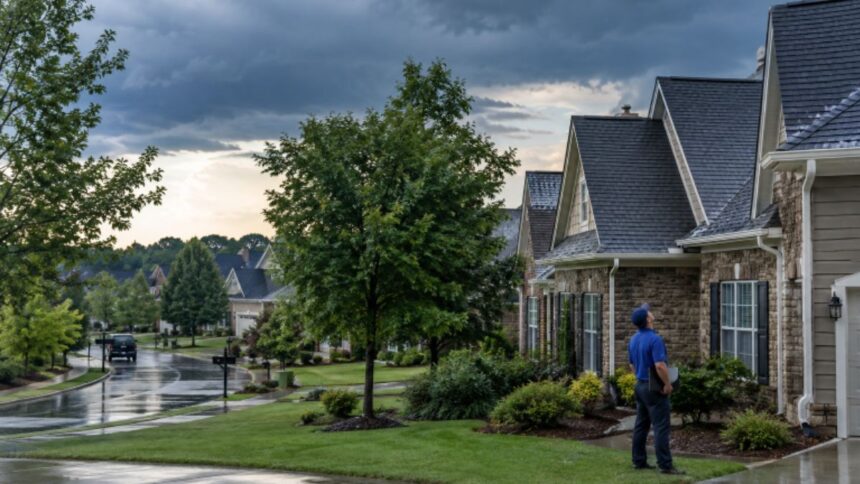
- Fort Mill homeowners should document visible storm damage safely from the ground before arranging an inspection.
- A detailed written estimate should identify materials, labor, decking allowances, cleanup, permit responsibilities, and warranty terms.
- Local permit and inspection requirements may apply to re-roofing work within Town of Fort Mill limits.
Fort Mill homes experience hot, humid summers, seasonal heavy rain, and thunderstorms that can put roofs, gutters, flashing, and attic ventilation under stress. Knowing when to pursue a limited repair and when to investigate broader roofing work can help homeowners respond thoughtfully rather than making a rushed decision after spotting a stain or a loose shingle.
The right answer depends on evidence, not pressure. A roof with a single isolated problem may be a good candidate for repair, while recurring leaks, widespread wear, or water-damaged decking can indicate a more substantial project.
Repair or Replacement: Understanding the Difference
A targeted repair addresses a defined issue, such as a few damaged shingles, an exposed nail, or deteriorated flashing around a vent. It can be sensible when surrounding materials remain in good condition, and the source of water entry is clear.
A broader roof replacement may be warranted when damage is spread across multiple roof areas, leaks persist after earlier repairs, or the roof covering is nearing the end of its practical service life. Replacement can also reveal conditions beneath the visible surface, including compromised underlayment or deteriorated sheathing.
How to Compare the Options
- One small damaged area: Ask whether a localized repair can restore the roof’s water-shedding function.
- Several damaged sections: Review the roof age, prior repairs, and whether materials can be reliably matched.
- Interior moisture or sagging: Treat the issue as more urgent, since the roof deck or framing may need evaluation.
- Recent hail or wind event: Schedule an inspection before deciding on repair scope or filing conclusions.
Warning Signs That Need Attention
Visible symptoms can help identify where to begin, but one sign alone does not prove that full replacement is necessary. Look for missing, cracked, lifted, curled, or blistered shingles; loose flashing around chimneys, skylights, vents, and roof edges; and excessive shingle granules collecting in gutters.
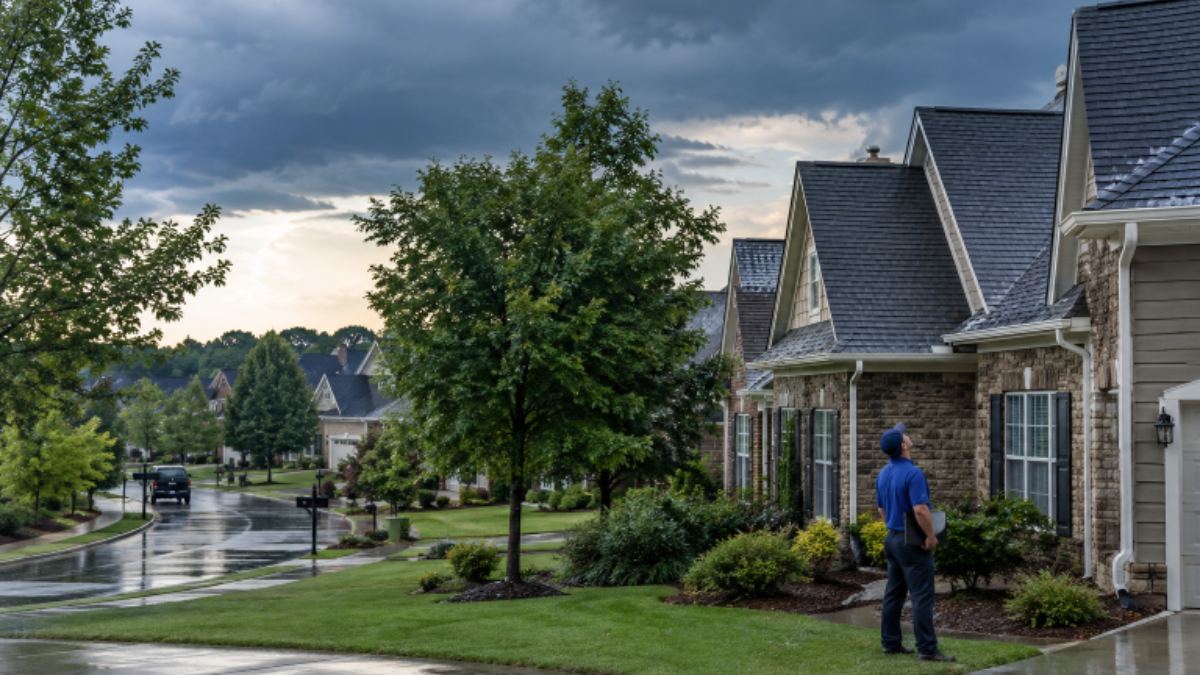
Inside the home, ceiling stains, peeling paint near the upper walls, damp attic insulation, or a musty odor can indicate unwanted moisture. From the street, uneven rooflines or sagging areas deserve prompt professional attention. Moss and plant growth can also retain moisture against roofing materials, particularly in shaded locations.
What a Roof Inspection Should Cover
A useful roof inspection goes beyond a glance at shingles. It should consider the roof’s material, approximate age, slope, drainage paths, previous repair history, and areas where water can enter around penetrations or transitions.
- Roof coverings, seams, fasteners, and exposed edges.
- Flashing at walls, chimneys, vents, skylights, and valleys.
- Gutters, downspouts, drip edges, and signs of drainage problems.
- Attic conditions, including stains, damp insulation, and accessible ventilation components.
- Decking concerns, such as softness, staining, or visible deterioration where accessible.
Homeowners should avoid climbing onto a wet, steep, visibly damaged, or storm-affected roof. Photographs from the ground, notes about interior stains, and attic observations can provide useful information without creating an unnecessary safety risk.
Steps to Take After Storm Damage
After wind, hail, or heavy rain, wait until the weather has passed before checking the property. The National Weather Service advises people assessing storm damage to watch for hazards such as downed power lines and damaged buildings, so safety should come before a detailed property review.
- Check from safe areas for fallen branches, displaced shingles, damaged gutters, and active leaks.
- Photograph visible damage without moving roofing materials or climbing onto the structure.
- Place containers under indoor drips if it is safe, then move furnishings away from wet areas.
- Contact the insurance provider to ask about documentation and temporary-protection requirements.
- Keep receipts for reasonable emergency measures and arrange a professional inspection.
How Materials Affect the Decision
Material type affects repair methods, maintenance needs, and the feasibility of matching existing sections. Asphalt shingles are common on residential properties and can sometimes be repaired locally when suitable matching materials are available. Metal panels, low-slope membranes, tile, and specialty systems each use different approaches to fastening, flashing, and sealing.
Climate, roof pitch, structural capacity, attic ventilation, drainage, appearance, and budget should all be considered. Product warranties and artistry warranties are separate documents, so homeowners should read what each covers, how long coverage lasts, and what actions may affect eligibility.
Permits and Local Requirements in Fort Mill
Permit rules can vary by jurisdiction and project scope. In the Town of Fort Mill, re-roofing is among the common projects that require permits. Homeowners should confirm current requirements before work starts, particularly if the project involves decking repairs, structural issues, or a change in roofing material.
Ask who will apply for the permit, whether inspections are required, and how final records will be delivered. Keeping permits, inspection information, invoices, and warranty documents together can make future maintenance and home-sale disclosures easier to manage.
Reading an Estimate and Hiring Carefully
A clear estimate should describe the work rather than rely on vague language such as “repair as needed.” It should identify the roof area or affected section, proposed materials, tear-off and disposal plans, underlayment, flashing, ventilation components, cleanup expectations, payment schedule, and change-order process.
Questions Worth Asking
- What is causing the problem, and what evidence supports that conclusion?
- How will hidden deck damage or moisture be documented and priced?
- Who is responsible for permits, inspections, and jobsite protection?
- What labor and material warranties are included in writing?
- How will weather delays and unexpected conditions be handled?
Comparing detailed estimates is more useful than comparing only the bottom-line price. Each proposal should cover the same general scope so homeowners can see meaningful differences in materials, preparation, and warranty terms.
Final Decision Checklist
- Has the roof been inspected, including flashing, drainage, attic conditions, and accessible decking?
- Is the damage isolated, or does it appear in several sections of the roof?
- Have storm damage and interior moisture signs been documented safely?
- Have permit and inspection requirements been confirmed for the Fort Mill property?
- Do written estimates explain materials, payment terms, warranties, and potential extra work?
A sound roofing decision starts with a careful assessment of the home’s actual condition. By documenting symptoms, confirming local requirements, and reviewing a detailed scope of work, Fort Mill homeowners can choose a repair or replacement plan based on practical evidence.
- Roof Repair or Replacement in Fort Mill, South Carolina: A Homeowner’s Decision Guide
- How To Compare Monument, Colorado Neighborhoods Before Buying
- How to Build Realistic Product Color Variants From One Photo
- How To Design Trustworthy Real-Time AI Avatars For Public-Facing Services
- TechTrendery.com: A Complete Guide to Technology, AI, Business and Digital Trends