

Key Takeaways
- SEO generates reliable, organic traffic and minimizes dependency on continuous advertising.
- Content quality and well-chosen keywords are fundamental to building long-lasting brand authority.
- Site performance and technical improvements nurture happier users and higher rankings.
- Local SEO strategies are vital for businesses serving specific regions or communities.
- Adapting to ongoing algorithm updates is essential for maintaining continuous search visibility.
Table of Contents
- Introduction
- Consistent Traffic Growth Without Constant Ad Spend
- Building Brand Authority Through Quality Content
- Enhancing User Experience and Website Performance
- Leveraging Local SEO for Regional Visibility
- Adapting to Algorithm Changes and Market Trends
- Measuring SEO Success and ROI
- Integrating SEO with Other Marketing Strategies
- Conclusion
Search Engine Optimization (SEO) has become a crucial factor for businesses seeking to thrive in a competitive digital landscape. Unlike short-term marketing tactics, SEO builds momentum over months and years by connecting brands with their target audience exactly when they’re searching. As businesses craft their digital marketing plans, integrating strategies to improve SEO performance is crucial for sustained growth, increased visibility, and enhanced brand credibility.
SEO provides organic growth by attracting relevant search traffic without ongoing ad expenses, resulting in increased visibility, trust, and market share. High-value content engages visitors and drives actions, while an optimized website serves as a vital business asset. Organizations focusing on local SEO can enhance foot traffic and community trust. Despite changing algorithms, the focus remains on delivering high-quality answers, with brands consistently investing in SEO and outpacing their competitors.
Consistent Traffic Growth Without Constant Ad Spend
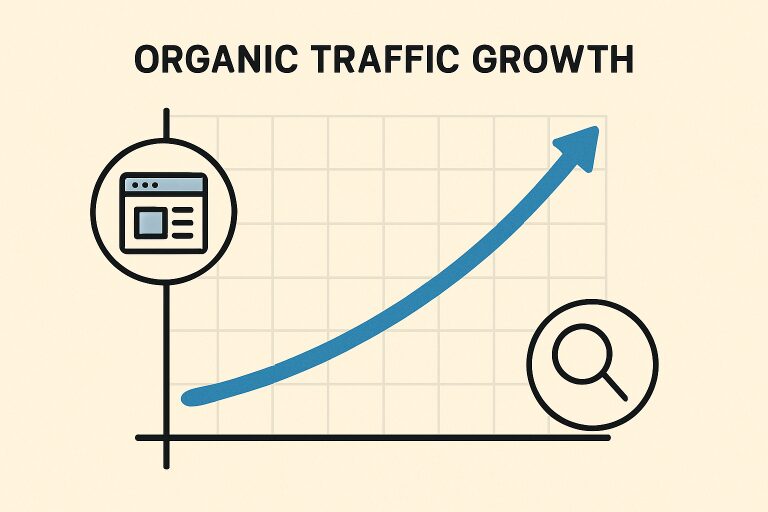
Investing in SEO enables brands to achieve consistent and sustainable traffic. Paid advertising campaigns yield results only as long as the budget lasts; once the expenditure stops, the traffic drops off. In contrast, SEO focuses on long-tail keywords, evergreen content, and optimizing the site’s structure. This approach generates steady organic traffic from users searching for terms related to your industry, product, or service, ensuring your message continues to reach potential customers without the burden of constant ad spend. Marketers are increasingly recognizing the value of organic search and its impact on the bottom line, as reported by Search Engine Journal.
Building Brand Authority Through Quality Content
SEO and content marketing are inseparable. High-quality, informative content helps boost your search rankings and establishes your brand as a trustworthy resource in your niche. This includes producing blog posts, whitepapers, videos, and interactive resources that answer key customer questions and solve their pain points. Over time, consistently delivering value allows your business to become a thought leader, earning editorial backlinks and references from reputable industry sites. This trust and engagement also drive repeat visits and customer loyalty, both of which are foundational for sustainable growth.
Enhancing User Experience and Website Performance
Technical SEO serves a dual purpose: it ensures search engines can efficiently read and index your site while also improving usability for human visitors. Factors such as fast page load speeds, intuitive navigation, and mobile scanning significantly impact both search ranking and conversion rates. Sites optimized for user experience keep visitors engaged longer, lower bounce rates, and increase the chances of turning prospects into customers. Google’s helpful content updates prioritize content that puts users first, a reminder that the quality of experience is just as crucial as keyword targeting.
Leveraging Local SEO for Regional Visibility
For businesses with physical locations or those serving specific regions, local SEO is a powerful strategy. By optimizing Google Business Profiles, managing local listings, and encouraging customer reviews, businesses can dominate local search results. Local link building and participation in community events or sponsorships further boost ranking signals for location-based queries. This strategy not only improves visibility but also enhances connections within the community and drives more in-person visits.
Adapting to Algorithm Changes and Market Trends
Search engine algorithms are evolving constantly, prioritizing content quality, authority, and site integrity. Regular updates—like Google’s emphasis on E-E-A-T (Experience, Expertise, Authoritativeness, and Trustworthiness)—require ongoing vigilance. Brands that actively monitor their analytics, refine backlinks, and stay responsive to new best practices will maintain or grow their rankings in the face of change. Adapting early to trends and algorithmic shifts ensures your business stays ahead of customers searching for your products or services.
Measuring SEO Success and ROI
Assessing the performance of your SEO strategy is essential for ongoing improvement. Key metrics include organic traffic growth, keyword ranking improvements, conversion rates, and engagement statistics such as time on site and pages per visit. With 91% of marketers confirming SEO’s positive impact on performance and business objectives, tracking these outcomes is not just useful—it’s necessary for justifying investment. Tools like Google Analytics, Search Console, and third-party trackers provide actionable data for refining your ongoing strategy.
Integrating SEO with Other Marketing Strategies
The most effective digital marketing plans are those that integrate SEO seamlessly with social media, email campaigns, and paid media. Combining efforts allows you to reinforce brand messaging, nurture prospects in multiple channels, and build trust that drives action. For example, well-optimized blog posts can serve as valuable assets for both search engine optimization and social engagement, while capturing email leads for future marketing efforts. Consistency across channels is key to fostering loyalty and amplifying word-of-mouth recommendations.
Conclusion
The journey to digital success is rarely accomplished overnight. However, with a comprehensive SEO strategy—one that focuses on consistent traffic generation, brand authority, technical health, local relevance, and adaptability—businesses are well-positioned for sustainable growth and profitability. As competition intensifies, those who invest in ongoing optimization will enjoy the rewards of higher visibility and a more loyal customer base in today’s ever-evolving digital marketplace.