


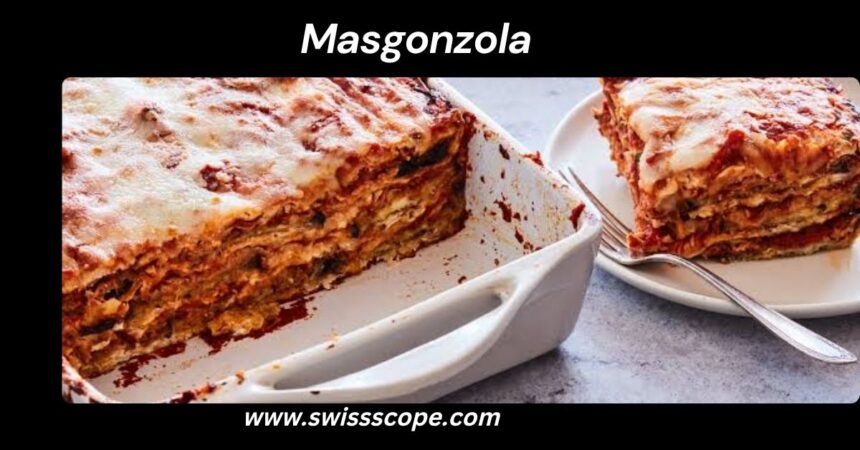

Masgonzola is one of the most exciting cheeses for people who enjoy rich flavors and creamy textures. Although it is not as widely known as cheddar, mozzarella, or traditional blue cheese, masgonzola has gained attention among chefs, food lovers, and home cooks looking for something unique. This luxurious marbled cheese combines the silky smoothness of mascarpone with the bold personality of blue cheese, creating a balanced flavor that is both creamy and complex.
If you love gourmet cheeses or want to expand your culinary knowledge, learning about masgonzola is worthwhile. It is versatile enough for appetizers, salads, pasta dishes, gourmet burgers, pizzas, and elegant cheese boards. At the same time, its nutritional profile and distinctive taste make it stand out from many other specialty cheeses.
In this complete guide, you’ll discover everything about masgonzola, including its history, production process, flavor profile, health benefits, culinary uses, storage methods, and expert tips for enjoying it at its best.
What Is Masgonzola?
Masgonzola is a premium marbled cheese created by blending two very different cheese styles:
- Rich, creamy mascarpone
- Bold, tangy blue cheese
The result is a cheese that combines smoothness with intensity. Instead of overwhelming the palate with a strong blue cheese flavor, masgonzola softens those sharp notes with the buttery richness of mascarpone.
The marbled appearance comes from the natural mixing of white mascarpone with the blue-veined cheese. Every slice looks slightly different, making it visually appealing as well as delicious.
Unlike many traditional cheeses that focus on either creaminess or sharpness, masgonzola successfully delivers both characteristics in a single product.
The Origin of Masgonzola
Masgonzola represents modern cheese craftsmanship rather than centuries-old tradition. It builds upon two famous Italian cheese styles.
Mascarpone originated in northern Italy and became famous for its rich texture and use in desserts such as tiramisu.
Blue cheese has existed across Europe for hundreds of years, with varieties such as Gorgonzola, Roquefort, and Stilton earning worldwide recognition.
Masgonzola brings these two traditions together by combining the luxurious softness of mascarpone with the distinctive flavor of blue-veined cheese.
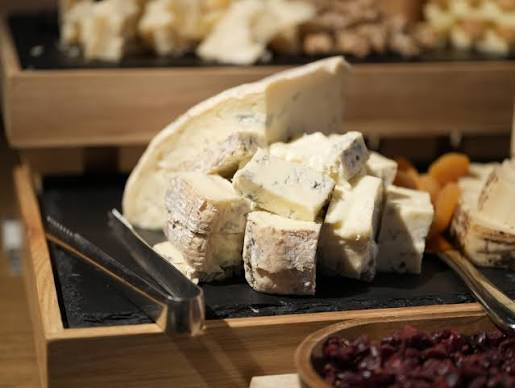
As gourmet food culture continues to grow in the United States, masgonzola has become increasingly popular in specialty grocery stores, artisan cheese shops, and upscale restaurants.
How Masgonzola Is Made
The production of masgonzola requires careful attention to texture, moisture, and flavor balance.
While exact recipes differ among producers, the process generally includes several important steps.
Preparing the Mascarpone
Fresh cream is heated and cultured until it thickens into mascarpone.
This creates the smooth, buttery foundation that gives masgonzola its luxurious mouthfeel.
Preparing the Blue Cheese
Separately, blue cheese is aged using cultures that create the famous blue veins.
These cultures develop the earthy aroma and slightly spicy flavor that blue cheese lovers appreciate.
Blending the Two Cheeses
The cheeses are gently combined without fully mixing them.
This careful blending preserves attractive marbling while allowing each cheese to retain its individual characteristics.
Quality Control
Premium masgonzola undergoes careful inspection for:
- Texture consistency
- Flavor balance
- Moisture content
- Freshness
- Appearance
Only properly balanced batches reach consumers.
Why Masgonzola Is Becoming More Popular
Several food trends have helped increase the popularity of masgonzola.
Growing Interest in Artisan Foods
Consumers increasingly prefer handcrafted foods over mass-produced products.
Masgonzola fits perfectly into this movement because it delivers craftsmanship and premium quality.
Demand for Unique Flavors
Food lovers enjoy discovering ingredients that provide memorable dining experiences.
Masgonzola offers something different from common supermarket cheeses.
Restaurant Innovation
Chefs appreciate ingredients that work across multiple recipes.
Masgonzola can be served:
- Melted
- Spread
- Crumbled
- Stuffed
- Whipped into sauces
Its versatility makes it highly valuable in modern kitchens.
Social Media Appeal
Its beautiful marbled appearance makes masgonzola visually attractive.
Food photographers frequently feature gourmet cheese boards containing colorful fruits, nuts, crackers, and marbled cheeses like masgonzola.
What Does Masgonzola Taste Like?
One reason people love masgonzola is its balanced flavor.
Unlike many blue cheeses that can be overpowering, masgonzola is smoother and more approachable.
Most people notice several layers of flavor.
Creamy Richness
Mascarpone contributes:
- Buttery flavor
- Smooth texture
- Mild sweetness
- Rich dairy notes
Blue Cheese Character
The blue cheese portion adds:
- Earthy depth
- Tanginess
- Slight peppery finish
- Gentle saltiness
Balanced Finish
Instead of ending with an aggressive bite, masgonzola finishes with a creamy richness that softens the stronger notes.
This balance makes it appealing even to people who normally avoid blue cheese.
Also Read: Protocolo Operacional Padrao: The Creating Efficient, Safe, and Standardized Business Operations
Texture of Masgonzola
Texture plays a major role in the appeal of masgonzola.
It is generally:
- Soft
- Creamy
- Spreadable
- Moist
- Velvety
Depending on the producer, some versions are slightly firmer while others resemble whipped butter.
Because of its creamy consistency, it melts beautifully into hot dishes.
Masgonzola vs. Gorgonzola
Many people assume masgonzola is simply another name for Gorgonzola, but they are different.
Gorgonzola is a traditional Italian blue cheese known for its strong flavor and crumbly or creamy texture depending on its age.
Masgonzola blends mascarpone with blue cheese, creating a milder, creamier product with less intensity.
People new to blue cheese often find masgonzola easier to enjoy because the mascarpone reduces the sharpness while preserving the distinctive blue cheese character.
Masgonzola vs. Mascarpone
Mascarpone is fresh, sweet, and extremely mild.
Masgonzola adds:
- Blue cheese cultures
- Stronger aroma
- More complex flavor
- Slight tanginess
- Greater depth
Mascarpone is primarily used in desserts, while masgonzola shines in savory dishes.
Masgonzola vs. Traditional Blue Cheese
Traditional blue cheese tends to have:
- Strong aroma
- Sharp flavor
- Crumbly texture
- Long aging process
Masgonzola offers:
- Softer flavor
- Creamier consistency
- Easier spreadability
- Better balance for beginners
This makes it an excellent introduction to blue-veined cheeses.
Nutritional Value of Masgonzola
Like most specialty cheeses, masgonzola contains valuable nutrients alongside higher levels of fat and sodium.
A typical serving provides:
- Protein
- Calcium
- Vitamin A
- Vitamin B12
- Phosphorus
- Healthy dairy fats
Exact nutrition depends on the manufacturer and ingredients.
Health Benefits of Masgonzola
When enjoyed in moderation, masgonzola can fit into a balanced diet.
Excellent Source of Calcium
Calcium supports:
- Healthy bones
- Strong teeth
- Muscle function
- Nerve signaling
Cheese remains one of the richest dietary calcium sources.
High-Quality Protein
Protein helps:
- Build muscles
- Repair tissues
- Maintain healthy skin
- Support immune function
Masgonzola contributes valuable dairy protein.
Contains Important Vitamins
It provides nutrients such as:
- Vitamin A
- Vitamin B12
- Riboflavin
These vitamins support vision, energy production, and nervous system health.
Rich Flavor Means Smaller Portions
Because masgonzola has a concentrated flavor, many people naturally eat smaller portions while still feeling satisfied.
This can help control serving sizes without sacrificing enjoyment.
Things to Consider Before Eating Masgonzola
Although delicious, masgonzola should be enjoyed responsibly.
Keep these points in mind:
- It contains saturated fat.
- Sodium levels may be higher than fresh cheeses.
- Individuals with dairy allergies should avoid it.
- People who are pregnant or have weakened immune systems should ensure they choose products made from pasteurized milk, following their healthcare provider’s advice.
- Refrigeration is essential to maintain quality and food safety.
Eating moderate portions as part of a varied diet allows you to enjoy its flavor while keeping your overall nutrition balanced.
Why Chefs Love Cooking with Masgonzola
Professional chefs value ingredients that combine versatility with premium flavor, and masgonzola delivers both.
Because it melts smoothly and carries a naturally rich taste, it can transform simple recipes into restaurant-quality dishes with very little effort.
A small amount adds noticeable depth to sauces, soups, pasta, and baked dishes. Instead of relying on several different cheeses, chefs can often use masgonzola as a single ingredient that contributes creaminess, saltiness, and complexity all at once.
Its balanced flavor also pairs well with sweet ingredients such as pears, figs, honey, and grapes, making it suitable for both elegant appetizers and creative main courses.
Another reason for its growing popularity is consistency. When handled properly, masgonzola blends easily into recipes without separating, creating smooth textures that home cooks and professionals both appreciate.
Whether served warm or cold, it delivers a gourmet experience that feels luxurious without requiring advanced cooking skills.
Masgonzola Recipes and Creative Ways to Enjoy This Gourmet Cheese
One of the biggest advantages of masgonzola is its versatility. Unlike some specialty cheeses that work only in a few dishes, masgonzola can be used in appetizers, main courses, side dishes, snacks, and even creative desserts.
Its combination of creamy mascarpone and flavorful blue cheese allows it to melt beautifully while still providing enough character to stand out in recipes.
Whether you’re preparing a simple family dinner or hosting a sophisticated gathering, masgonzola can elevate ordinary meals into memorable dining experiences.
Best Ways to Eat Masgonzola
There is no single “correct” way to enjoy masgonzola. Instead, its flavor changes depending on how it is served.
Many cheese lovers prefer enjoying it at room temperature because the creamy texture becomes softer and the flavors become more noticeable.
Others enjoy it melted into warm dishes where it creates a silky, rich sauce.
Some of the most popular serving methods include:
- Spread on artisan bread
- Served with crackers
- Melted into pasta
- Added to pizza
- Crumbled over salads
- Mixed into mashed potatoes
- Used in gourmet sandwiches
- Paired with fresh fruit
- Served on cheese boards
- Added to creamy soups
Each serving style highlights a different aspect of masgonzola’s unique flavor profile.
Masgonzola on a Cheese Board
A well-designed cheese board is one of the easiest ways to showcase masgonzola.
Because of its beautiful marbled appearance, it naturally becomes one of the visual highlights of the platter.
A balanced cheese board may include:
Fresh Fruits
Sweet fruit balances the salty richness.
Excellent choices include:
- Pears
- Apples
- Grapes
- Figs
- Strawberries
- Fresh peaches
Dried Fruits
Dried fruit adds concentrated sweetness.
Popular options include:
- Dried apricots
- Dates
- Raisins
- Cranberries
- Figs
Nuts
Crunchy nuts provide texture contrast.
Great choices include:
- Walnuts
- Pecans
- Almonds
- Pistachios
- Hazelnuts
Crackers and Bread
Serve masgonzola with:
- Water crackers
- Rustic bread
- French baguette
- Sourdough
- Multigrain crackers
- Crostini
Sweet Additions
Small amounts of sweetness enhance the blue cheese flavor.
Consider serving:
- Honey
- Fig jam
- Apricot preserves
- Hot honey
- Maple syrup
The contrast between creamy cheese and sweet toppings creates an unforgettable bite.
Cooking with Masgonzola
Masgonzola performs exceptionally well in hot dishes because it melts smoothly.
Unlike some cheeses that become oily or separate during cooking, masgonzola creates rich, creamy sauces.
Its bold flavor means a small amount goes a long way.
Also Read:Crackstube: The Understanding the Risks, Legal Issues, and Safe Alternatives
Masgonzola Pasta
Pasta is one of the best ways to enjoy masgonzola.
Simply melt it with:
- Heavy cream
- Butter
- Parmesan
- Garlic
- Black pepper
The result is an incredibly rich sauce that coats every piece of pasta.
Popular pasta choices include:
- Fettuccine
- Penne
- Rigatoni
- Gnocchi
- Ravioli
Adding grilled chicken, mushrooms, spinach, or roasted walnuts creates an even more satisfying meal.
Masgonzola Pizza
Masgonzola brings gourmet flavor to homemade pizza.
It pairs especially well with:
- Caramelized onions
- Prosciutto
- Pear slices
- Mushrooms
- Fresh arugula
- Walnuts
Because its flavor is rich, it is often combined with mozzarella instead of replacing it completely.
Masgonzola Burgers
Instead of traditional cheddar, try topping burgers with melted masgonzola.
Its creamy texture complements:
- Beef burgers
- Turkey burgers
- Chicken burgers
- Plant-based burgers
Caramelized onions and mushrooms make excellent companions.
Masgonzola in Salads
Small crumbles instantly upgrade fresh salads.
Excellent salad ingredients include:
- Baby spinach
- Mixed greens
- Candied pecans
- Apples
- Pears
- Cranberries
- Walnuts
- Grilled chicken
A simple balsamic vinaigrette completes the dish.
Masgonzola Mashed Potatoes
Mixing masgonzola into mashed potatoes creates restaurant-quality comfort food.
The cheese melts completely, producing extra creamy potatoes with subtle blue cheese flavor.
Fresh chives or roasted garlic add even more depth.
Masgonzola Stuffed Chicken
Stuffing chicken breasts with masgonzola creates an elegant dinner that feels much more complicated than it actually is.
Popular fillings include:
- Spinach
- Sun-dried tomatoes
- Mushrooms
- Fresh herbs
The cheese melts inside the chicken, keeping the meat juicy while adding incredible flavor.
Masgonzola in Soups
Cream-based soups become richer with masgonzola.
It works especially well in:
- Potato soup
- Mushroom soup
- Broccoli soup
- Cauliflower soup
A small amount stirred in just before serving creates a silky finish.
Unexpected Sweet Pairings
Although masgonzola is primarily a savory cheese, it also pairs surprisingly well with sweet ingredients. The creamy mascarpone element softens the boldness of the blue cheese, allowing desserts and sweet snacks to become more complex without tasting overwhelming.
You can experiment with combinations such as:
- Honey and toasted walnuts
- Fresh figs
- Sliced pears
- Baked apples
- Dark chocolate
- Maple-glazed pecans
These pairings create a balance of sweet, salty, creamy, and earthy flavors that many food enthusiasts appreciate.
Best Drinks to Pair with Masgonzola
The right beverage enhances the flavor of masgonzola rather than competing with it.
Excellent choices include:
White Wines
- Chardonnay
- Sauvignon Blanc
- Pinot Grigio
Red Wines
- Pinot Noir
- Merlot
- Cabernet Franc
Dessert Wines
Sweet wines create a beautiful contrast.
Options include:
- Port
- Sauternes
- Late-harvest Riesling
Beer
Several beer styles complement masgonzola.
Good choices include:
- Belgian ales
- Brown ales
- Stouts
- Wheat beers
Non-Alcoholic Drinks
If you prefer non-alcoholic beverages, try:
- Sparkling water with lemon
- Apple cider
- Pear juice
- Unsweetened iced tea
- Fresh grape juice
How to Store Masgonzola Properly
Proper storage is essential because masgonzola contains fresh dairy ingredients that can lose quality if handled incorrectly.
For the best results:
- Keep refrigerated at 35°F to 40°F (2°C to 4°C).
- Wrap it in cheese paper or wax paper, then place it in a loosely sealed container.
- Avoid wrapping it tightly in plastic for long periods, as the cheese needs a little airflow.
- Store it away from foods with strong odors because cheese can absorb surrounding smells.
- Return unused portions to the refrigerator immediately after serving.
If stored correctly, masgonzola will maintain its flavor and creamy texture much longer.
Can You Freeze Masgonzola?
Yes, but freezing changes the texture.
After thawing, the cheese may become more crumbly and slightly less creamy.
For this reason, frozen masgonzola is best used in cooked dishes rather than on cheese boards or as a spread.
If you plan to freeze it:
- Divide it into small portions.
- Wrap each portion securely.
- Freeze for up to two months for the best quality.
- Thaw slowly in the refrigerator before use.
How to Buy High-Quality Masgonzola
Not every product labeled as a marbled blue cheese delivers the same experience.
When shopping, look for:
- A smooth, creamy texture
- Even marbling throughout the cheese
- A fresh dairy aroma without harsh or sour smells
- Packaging with a clear expiration date
- Reputable specialty cheese producers or gourmet food retailers
Buying from stores that handle artisan cheeses properly can make a noticeable difference in freshness and taste.
Common Mistakes to Avoid
Even premium cheese can disappoint if it is not handled correctly.
Avoid these common mistakes:
- Serving it straight from the refrigerator without allowing it to warm slightly
- Using too much in recipes, which can overpower other ingredients
- Leaving it unrefrigerated for long periods
- Pairing it only with salty foods instead of balancing it with fruit or honey
- Storing it in airtight plastic for extended periods
These simple adjustments help preserve the flavor and texture that make masgonzola special.
Expert Tips for Serving Masgonzola
Professional chefs often use a few simple techniques to get the best results:
- Let the cheese sit at room temperature for 20–30 minutes before serving.
- Use a clean knife to preserve the attractive marbled appearance.
- Pair it with ingredients that provide contrast in texture, such as crunchy nuts or crisp apples.
- Add it near the end of cooking when making sauces to maintain its creamy consistency.
- Taste before adding extra salt, as masgonzola already contributes natural saltiness.
Why Masgonzola Appeals to Modern Food Lovers
Today’s consumers are looking for foods that combine quality, versatility, and memorable flavor. Masgonzola fits these expectations perfectly.
It offers a gourmet experience without requiring advanced cooking skills, making it attractive to both experienced chefs and beginners. Its ability to work in everyday meals as well as special occasions has helped it gain recognition among people who enjoy exploring artisan foods.
Also Raed: Insetprag: The Practical, Purpose-Driven Design and Integrated Systems
As interest in premium cheeses continues to grow in the United States, masgonzola is likely to become even more popular in home kitchens, specialty markets, and restaurant menus.
The Future of Masgonzola
The future looks promising for masgonzola as consumer tastes continue to evolve.
Several trends support its growing popularity:
- Increased demand for artisan dairy products
- Rising interest in cheese boards and entertaining at home
- Growth of gourmet grocery stores
- Greater appreciation for premium ingredients
- Expansion of creative restaurant menus
Producers may also introduce flavored versions featuring herbs, truffles, pepper, or smoked ingredients, giving consumers even more ways to enjoy this luxurious cheese.
Frequently Asked Questions About Masgonzola
Is masgonzola suitable for beginners who have never tried blue cheese?
Yes. Because mascarpone softens the bold flavor of blue cheese, masgonzola is often recommended as a gentle introduction to blue-veined cheeses.
Can masgonzola replace cream cheese?
In some savory recipes, yes. However, it has a stronger flavor than cream cheese, so it will noticeably change the taste of the dish.
Does masgonzola melt completely?
Yes. It melts smoothly, making it ideal for sauces, pasta, soups, and baked dishes.
Can children eat masgonzola?
Children who enjoy cheese may like its creamy texture, but the blue cheese flavor can be too strong for some. It should also be made from pasteurized milk when served according to food safety recommendations.
Is masgonzola keto-friendly?
Because it is low in carbohydrates and high in fat, masgonzola can fit into many ketogenic eating plans when consumed in appropriate portions.
Can I use masgonzola in dips?
Absolutely. Mixing it with sour cream, Greek yogurt, or cream cheese creates flavorful dips for vegetables, crackers, and chips.
What herbs pair well with masgonzola?
Fresh thyme, rosemary, sage, parsley, and chives all complement its creamy, savory flavor.
Can masgonzola be used in holiday meals?
Yes. It works beautifully in holiday appetizers, mashed potatoes, stuffing, baked vegetables, and festive cheese boards.
Final Thoughts
Masgonzola is much more than a specialty cheese—it is a creative blend of two beloved dairy traditions that delivers exceptional flavor, texture, and versatility. By combining the luxurious creaminess of mascarpone with the distinctive character of blue cheese, it offers a balanced taste that appeals to both adventurous food lovers and those who are new to gourmet cheeses.
Whether you spread it on fresh bread, melt it into pasta, crumble it over salads, or feature it on an elegant cheese board, masgonzola brings richness and sophistication to almost any meal. Its impressive nutritional value, excellent melting qualities, and compatibility with fruits, nuts, wines, and savory dishes make it a standout ingredient for home cooks and professional chefs alike.
As the demand for artisan foods continues to rise, masgonzola is well-positioned to become a favorite in American kitchens. If you are looking for a cheese that combines elegance, versatility, and unforgettable flavor, masgonzola deserves a place on your shopping list and your table.