



The outdoor adventure industry has changed dramatically over the last decade. Whether you enjoy backcountry skiing, alpine touring, winter mountaineering, or snow travel, having the right equipment makes every trip safer and more enjoyable. One important piece of gear that often receives less attention than skis or boots is the climbing skin. Among the many options available today, zuschneidfelle has become a popular search term for people looking for customizable climbing skins that can be cut to fit different skis.
If you are new to ski touring, you may wonder what zuschneidfelle actually means and why so many experienced skiers recommend them. The answer is simple. Instead of buying pre-shaped climbing skins, many outdoor enthusiasts choose customizable skins because they offer flexibility, excellent performance, and a perfect fit when trimmed correctly.
This complete guide explains everything you need to know about zuschneidfelle. You will learn what they are, how they work, why they are useful, how to choose the right material, how to cut them correctly, and what mistakes to avoid. You will also discover expert insights, maintenance tips, and practical advice that goes beyond the basic information available on most websites.
Whether you are purchasing your first climbing skins or upgrading your touring equipment, this guide will help you make an informed decision.
What Does Zuschneidfelle Mean?
The word zuschneidfelle comes from German.
Breaking the word into two parts makes it easier to understand.
- “Zuschneiden” means “to cut to size.”
- “Felle” means “skins.”
Together, zuschneidfelle refers to climbing skins that are designed to be trimmed according to the exact dimensions of your skis.
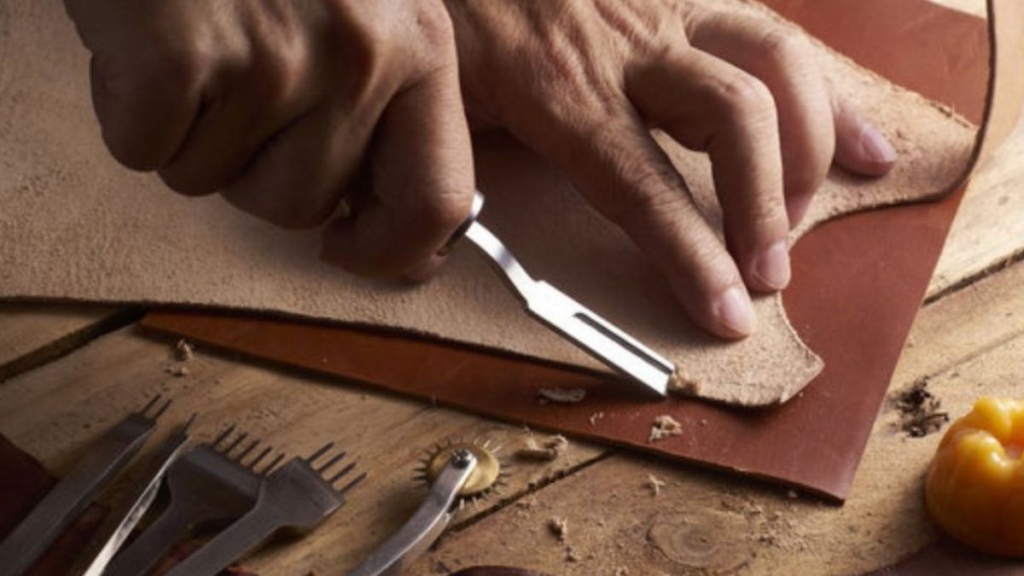
Unlike factory-shaped skins, these products come in wider sizes. The user cuts them carefully so they match the ski profile while leaving the metal edges slightly exposed for better control.
Although the term originated in German-speaking countries, it has become increasingly recognized by outdoor enthusiasts worldwide because many premium ski touring brands sell customizable climbing skins.
Why Zuschneidfelle Are Important for Ski Touring
Ski touring is different from downhill skiing.
Instead of relying only on ski lifts, skiers climb mountains under their own power before skiing back down.
During uphill travel, normal skis would simply slide backward.
Climbing skins solve this problem.
The fibers on the bottom of the skin grip the snow while moving uphill but glide smoothly when moving forward.
When properly trimmed, zuschneidfelle provide:
- Better uphill traction
- Improved energy efficiency
- Reduced slipping
- Greater confidence on steep climbs
- Better overall touring performance
Without properly fitted climbing skins, long backcountry trips become much more difficult.
How Zuschneidfelle Work
Understanding the science behind climbing skins helps explain why they are so effective.
The bottom surface contains thousands of tiny fibers.
These fibers point slightly backward.
When moving uphill:
- The fibers grip the snow.
- The ski stays in position.
- Forward motion remains smooth.
When gliding:
- The fibers flatten.
- Friction decreases.
- Movement becomes easier.
This simple but effective design has been refined over many decades.
Modern zuschneidfelle now combine lightweight materials, improved adhesives, and stronger waterproof treatments for better performance.
Who Should Use Zuschneidfelle?
Many people assume climbing skins are only for professional athletes.
That is not true.
Custom-cut climbing skins are suitable for many types of winter adventurers.
They are ideal for:
- Backcountry skiers
- Alpine touring enthusiasts
- Mountain guides
- Ski mountaineers
- Winter photographers
- Search and rescue teams
- Snow researchers
- Outdoor instructors
- Adventure travelers
- Experienced winter hikers using touring skis
Even beginners can benefit from properly fitted zuschneidfelle because they improve climbing efficiency and reduce unnecessary fatigue.
Main Parts of Zuschneidfelle
Understanding the different components helps buyers compare products more effectively.
Skin Material
This is the main fabric that grips the snow.
The quality of the fibers directly affects climbing performance.
Adhesive Layer
The glue attaches the skin securely to the ski.
High-quality adhesive remains effective through changing temperatures.
Tip Attachment
The front clip secures the skin to the ski tip.
Modern systems fit many ski shapes.
Tail Attachment
The rear clip keeps the skin tight during use.
Adjustable tail straps allow fine tuning for different ski lengths.
Waterproof Treatment
Many premium skins include waterproof coatings.
This prevents snow from sticking excessively to the fibers.
Different Materials Used in Zuschneidfelle
Material selection significantly affects performance.
Each option has strengths and weaknesses.
Mohair
Mohair comes from Angora goats.
It is highly valued for its excellent glide.
Advantages include:
- Very smooth movement
- Lightweight
- Excellent efficiency
- Reduced friction
Disadvantages include:
- Higher cost
- Faster wear
- Requires careful maintenance
Professional ski tourers often prefer mohair for long-distance travel.
Also Read: Acamento: Everything You Need to Know About Modern Home Finishing
Nylon
Nylon remains one of the most durable climbing skin materials.
Advantages include:
- Excellent durability
- Strong grip
- Good value
- Longer lifespan
Disadvantages include:
- Slightly heavier
- Less glide
- Increased resistance
Many beginners choose nylon because it balances performance with affordability.
Mixed Mohair-Nylon
Hybrid materials combine the advantages of both fibers.
Benefits include:
- Better durability
- Improved glide
- Balanced performance
- Suitable for many conditions
For many recreational skiers, mixed-material zuschneidfelle provide the best overall experience.
Why More Skiers Choose Zuschneidfelle Instead of Precut Skins
Precut skins work well only for specific ski models.
Custom-cut skins offer much greater flexibility.
Some major advantages include:
Perfect Fit
Every ski has unique dimensions.
Cutting the skins yourself allows a highly accurate fit.
Future Compatibility
If you buy similar skis later, your skins may still be adjustable.
Greater Product Selection
Many premium manufacturers produce customizable versions instead of dozens of individual shapes.
Better Performance
Correct trimming exposes the steel edges while maximizing grip.
Potential Cost Savings
Instead of purchasing a specialized model, one adjustable skin may fit multiple skis within a certain size range.
How to Measure Skis Before Cutting Zuschneidfelle
Accurate measurements are essential.
Start by measuring:
- Ski length
- Tip width
- Waist width
- Tail width
Compare these numbers with the skin width.
The skin should be wider than the widest section of the ski before trimming.
Many manufacturers include trimming tools with their kits.
Step-by-Step Guide to Cutting Zuschneidfelle
One reason many beginners hesitate is fear of making mistakes.
Fortunately, the trimming process is usually straightforward.
Step 1: Attach the Tip
Secure the front attachment.
Ensure it sits correctly.
Step 2: Center the Skin
Place the skin carefully along the middle of the ski.
Alignment is critical.
Step 3: Trim One Side
Use the included trimming knife.
Cut carefully from tip to tail.
Step 4: Shift the Skin
Move the skin slightly.
Now trim the opposite side.
Step 5: Check Edge Exposure
Both metal edges should remain slightly visible.
This improves downhill control.
Step 6: Attach the Tail
Install the rear attachment according to the manufacturer’s instructions.
Step 7: Final Inspection
Look for uneven cuts.
Ensure the skin lies flat.
Check the adhesive.
Once completed, your zuschneidfelle are ready for use.
Common Mistakes When Cutting Zuschneidfelle
Even experienced skiers occasionally make errors.
Avoid these common problems.
Cutting Too Narrow
Insufficient coverage reduces climbing grip.
Cutting Too Wide
Covered edges decrease control during side-hill traverses.
Ignoring Center Alignment
Poor alignment creates uneven performance.
Using Dull Knives
Sharp trimming tools produce cleaner edges.
Rushing the Process
Taking extra time usually leads to better long-term results.
Performance in Different Snow Conditions
Snow conditions constantly change throughout the winter season.
Also Read: Trucofax: What It Is, How It Works, and Why Everyone Is Searching for It in 2026
Fresh Powder
Modern zuschneidfelle provide excellent grip with minimal resistance.
Packed Snow
Grip remains reliable if the adhesive stays secure.
Wet Snow
Water-resistant coatings reduce snow buildup.
Spring Snow
Proper maintenance becomes especially important because melting snow increases moisture exposure.
Icy Conditions
While skins help with traction, ski crampons may still be necessary on extremely icy terrain.
Advantages of Custom-Cut Climbing Skins
Many experienced ski tourers continue choosing zuschneidfelle for several reasons.
They offer excellent versatility.
They fit many ski designs.
They often provide a better long-term investment.
They allow users to customize their equipment.
They improve uphill confidence.
They support efficient travel in demanding terrain.
For adventurers who value performance and flexibility, custom-cut climbing skins remain one of the smartest equipment choices.
How to Choose the Right Zuschneidfelle
Selecting the right zuschneidfelle is more than simply choosing the widest skin available. Your decision should depend on your skiing style, the terrain you usually explore, weather conditions, and how often you plan to use your equipment.
A thoughtful purchase can improve climbing efficiency, reduce fatigue, and extend the life of your gear.
Here are the most important factors to consider.
Choose the Correct Width
The skin should always be wider than your ski before trimming.
This allows you to cut the skin to match the exact shape of your ski while keeping the metal edges exposed.
If the skin is already narrower than your ski, it will not provide full climbing coverage.
Consider Your Skiing Style
Different skiers have different priorities.
If you enjoy long-distance touring, lightweight mohair skins may be the best option because they glide more efficiently.
If you frequently ski in rugged terrain with rocks, trees, or rough snow, durable nylon skins may last longer.
Hybrid materials offer a balanced solution for people who enjoy both performance and durability.
Evaluate the Adhesive Quality
The adhesive is one of the most important parts of any climbing skin.
A weak adhesive may begin peeling away during cold weather or repeated climbs.
High-quality adhesives provide reliable grip while remaining easy to remove after a day on the mountain.
A dependable adhesive also reduces the chances of snow getting underneath the skin during use.
How to Compare Different Zuschneidfelle Before Buying
The market offers many climbing skins that appear similar at first glance. However, there are important differences that affect real-world performance.
Before purchasing, compare the following features:
- Material composition
- Weight
- Adhesive technology
- Tip and tail attachment systems
- Water resistance
- Ease of trimming
- Durability
- Replacement parts availability
- Manufacturer reputation
- Warranty and customer support
Instead of focusing only on price, consider the total value over several seasons of use.
Essential Accessories for Using Zuschneidfelle
Although climbing skins are the primary tool for uphill travel, several accessories improve their performance and lifespan.
Skin Saver Mesh
A skin saver is placed between the adhesive surfaces when storing the skins.
Benefits include:
- Easier separation
- Cleaner adhesive
- Longer glue life
- Better storage
Storage Bag
A breathable storage bag protects the skins from dirt, moisture, and unnecessary wear.
Trimming Tool
Most quality zuschneidfelle include a trimming knife specifically designed for accurate cutting.
Always keep this tool sharp and clean.
Repair Kit
A small repair kit can save an entire tour if something unexpected happens.
Useful items include:
- Extra tail straps
- Replacement clips
- Adhesive patches
- Small knife
- Cleaning cloth
How to Install Zuschneidfelle Correctly Every Time
Even perfectly cut skins must be installed properly.
Follow these best practices.
Clean the Ski Base
Snow, ice, dirt, or moisture reduce adhesive performance.
Start with a dry ski base.
Attach the Tip First
The front attachment should fit securely before positioning the skin.
Keep the Skin Centered
Smooth the skin from tip to tail while keeping it centered.
Avoid Wrinkles
Air pockets and folds reduce grip.
Secure the Tail
Adjust the tail clip so the skin remains tight without excessive stretching.
Double Check Before Climbing
A quick inspection prevents problems later on the mountain.
How to Remove Zuschneidfelle After Skiing
Removing skins correctly protects both the adhesive and the fabric.
Begin at the tail.
Slowly peel toward the tip.
Avoid pulling too quickly.
Fold adhesive sides together if recommended by the manufacturer or use a skin saver mesh.
Never throw wet skins directly into a backpack without protection.
Cleaning Zuschneidfelle
Many people overlook cleaning, yet it significantly affects long-term performance.
Cleaning is simple.
Remove loose snow after each use.
Allow the skins to dry naturally.
Brush away dirt with a soft brush.
Avoid household detergents unless specifically recommended.
If tree sap becomes attached to the fibers, use products designed for climbing skin maintenance.
Regular cleaning helps maintain grip and glide.
How to Dry Zuschneidfelle Properly
Proper drying prevents mold, weak adhesive, and damaged fibers.
After each trip:
Hang the skins indoors.
Choose a well-ventilated area.
Avoid direct sunlight.
Keep them away from fireplaces and heaters.
High temperatures can damage both the adhesive and backing material.
Natural air drying remains the safest method.
Long-Term Storage Tips
When winter ends, proper storage protects your investment.
Store skins in a cool, dry location.
Keep them away from excessive humidity.
Avoid folding them tightly for long periods.
Use skin savers if recommended.
Inspect them before storing for summer.
Good storage habits can extend the usable life of zuschneidfelle by several seasons.
How Long Do Zuschneidfelle Last?
The lifespan depends on several factors.
These include:
- Frequency of use
- Snow conditions
- Maintenance
- Storage habits
- Material quality
- Terrain
For recreational users, quality climbing skins often last between three and six seasons.
Heavy professional use may shorten this period.
Proper care can significantly extend their lifespan.
Signs That It Is Time to Replace Your Zuschneidfelle
No climbing skin lasts forever.
Watch for these warning signs.
Reduced grip on snow.
Fibers becoming flat or worn.
Adhesive failing repeatedly.
Backing material separating.
Tail attachments no longer staying secure.
Major tears or cuts.
Replacing worn skins before an important trip improves both safety and performance.
Expert Tips for First-Time Users
If you are using zuschneidfelle for the first time, these practical tips can make your learning experience much easier.
Practice installation at home before your first tour.
Watch the trimming instructions carefully.
Carry spare repair items.
Do not wait until you reach the mountain to learn how the attachment system works.
Keep your ski bases clean.
Store skins carefully after every trip.
Small habits often make the biggest difference over time.
Common Problems and How to Solve Them
Even high-quality climbing skins occasionally experience problems.
Understanding these issues helps you respond quickly.
Problem: Skin Falls Off
Possible causes:
- Dirty ski base
- Worn adhesive
- Incorrect installation
Solution:
Clean the ski thoroughly and inspect the adhesive.
Problem: Snow Sticks to the Skin
Possible causes:
- Wet fibers
- Damaged waterproof treatment
Solution:
Dry the skins properly and use a suitable skin treatment product.
Problem: Poor Grip While Climbing
Possible causes:
- Incorrect trimming
- Worn fibers
- Wrong material for conditions
Solution:
Check installation and consider replacing older skins.
Problem: Adhesive Transfers to the Ski
Possible causes:
- Aging glue
- Heat damage
- Improper storage
Solution:
The adhesive may need professional replacement or regluing.
Environmental Impact of Zuschneidfelle
Sustainability has become increasingly important in outdoor recreation.
Manufacturers are working to reduce environmental impact through:
- Recycled materials
- Lower-emission manufacturing
- Longer-lasting adhesives
- Reduced packaging
- Repairable components
Consumers also play an important role.
Maintaining equipment properly reduces waste and delays replacement.
Choosing durable products instead of disposable alternatives supports more responsible outdoor recreation.
Innovations Shaping the Future of Zuschneidfelle
Technology continues to improve climbing skins.
Several exciting developments are changing the industry.
Advanced Adhesives
Modern adhesive systems are becoming easier to remove while maintaining stronger attachment during use.
Lighter Materials
Manufacturers continue reducing weight without sacrificing durability.
This benefits long-distance ski tourers who carry equipment for many hours.
Improved Water Resistance
New coatings help prevent snow buildup and maintain consistent glide throughout the day.
Eco-Friendly Manufacturing
More companies are investing in renewable materials and environmentally responsible production.
Better Attachment Systems
Modern clips are easier to adjust and fit a wider range of ski designs.
These innovations make zuschneidfelle more reliable and user-friendly than ever before.
Safety Tips When Using Zuschneidfelle
Climbing skins improve uphill movement, but they are only one part of safe backcountry travel.
Always check avalanche forecasts before heading into the mountains.
Travel with proper avalanche safety equipment, including a beacon, shovel, and probe when appropriate.
Never rely on climbing skins alone in icy terrain. Ski crampons may be necessary on steep or frozen slopes.
Tour with experienced partners whenever possible.
Plan your route in advance and carry emergency supplies, food, water, and extra clothing.
Safe decision-making is always more important than speed or reaching a summit.
Expert Insights: Why Zuschneidfelle Continue to Grow in Popularity
The increasing popularity of ski touring has made customizable climbing skins more valuable than ever.
In the past, many skiers purchased equipment that fit only one ski model. Today, outdoor enthusiasts want gear that offers flexibility, longevity, and consistent performance.
Zuschneidfelle meet these expectations because they can be customized for an accurate fit, maintained over multiple seasons, and adapted to different ski designs.
Another reason for their popularity is the growing interest in backcountry adventures. More people are seeking quiet mountain experiences away from crowded ski resorts. Reliable climbing skins make these adventures more accessible and enjoyable.
From a long-term perspective, investing in quality zuschneidfelle is often more economical than replacing poorly fitting skins every season. Proper maintenance, careful trimming, and correct storage can provide years of dependable service.
Buying Checklist
Before purchasing zuschneidfelle, confirm the following:
- The width is suitable for your skis.
- The material matches your skiing style.
- The adhesive is designed for cold-weather performance.
- Tip and tail attachments are adjustable.
- The product includes a trimming tool.
- Replacement parts are available.
- The skin is easy to maintain.
- The manufacturer has a good reputation.
- The warranty meets your expectations.
- The product offers good value rather than simply the lowest price.
A careful buying decision reduces frustration and improves every ski touring experience.
Also Read: Masgonzola: This Luxurious Marbled Cheese, Its Flavor, Uses, Nutrition, and More
Final Thoughts
Zuschneidfelle are one of the most important pieces of equipment for anyone who enjoys ski touring, alpine touring, or backcountry skiing. While they may appear simple, their design has a major impact on climbing efficiency, safety, and overall enjoyment in winter environments.
Choosing the right material, trimming the skins carefully, maintaining them properly, and storing them correctly can significantly improve their performance and lifespan. Whether you prefer lightweight mohair, durable nylon, or a hybrid blend, selecting the right zuschneidfelle based on your skiing style is the key to getting the best results.
As technology continues to evolve, modern climbing skins are becoming lighter, stronger, more sustainable, and easier to use. These improvements make custom-cut skins an excellent investment for beginners and experienced adventurers alike.
By understanding how zuschneidfelle work and following the practical guidance in this guide, you will be better prepared to enjoy efficient uphill travel, dependable grip, and memorable winter adventures for many seasons.
Frequently Asked Questions (FAQs)
Can I reuse zuschneidfelle on a new pair of skis?
Yes, if the new skis have similar dimensions. However, a significant difference in width or length may require new skins for the best performance.
Do custom-cut climbing skins affect downhill skiing?
No. Climbing skins are removed before descending, so they do not affect downhill performance when used correctly.
Should beginners buy zuschneidfelle instead of pre-cut skins?
Many beginners successfully use custom-cut skins because they provide flexibility and can be precisely matched to different skis with careful trimming.
Can I trim zuschneidfelle more than once?
Minor adjustments are possible, but repeated trimming may reduce coverage. Measure carefully before making the first cut.
What temperature range can climbing skins handle?
Most quality skins are designed to perform across a wide range of winter temperatures, from very cold alpine conditions to mild spring snow.
Is it normal for the adhesive to become less sticky over time?
Yes. Regular use, dirt, moisture, and age gradually reduce adhesive performance. Proper cleaning and storage help extend its life.
Can climbing skins be repaired instead of replaced?
Small tears, worn straps, and some adhesive issues can often be repaired. Extensive fiber wear or severe damage usually means replacement is the better option.
Do wider skins provide better climbing performance?
Only if they are correctly trimmed. Excessively wide skins can cover the metal edges, reducing control during traverses.
How often should I inspect my zuschneidfelle?
Inspect them before every tour. Check the adhesive, attachment hardware, fibers, and overall condition to identify any issues before heading into the mountains.
What is the biggest mistake new users make?
The most common mistake is rushing the trimming process. Taking time to measure accurately and center the skin correctly results in better grip, improved control, and a longer-lasting product.