


Wildlife conservation is one of the most important responsibilities of every country. Healthy wildlife populations support biodiversity, protect ecosystems, and ensure that future generations can enjoy nature. In Norway, one of the key organizations involved in local wildlife management is the viltnemnda.
Although many people outside Norway have never heard of the term, the viltnemnda plays a significant role in balancing wildlife conservation, hunting regulations, public safety, and environmental sustainability. It acts as an important link between national wildlife laws and local communities, ensuring that wildlife policies are applied fairly and effectively.
For people in the United States, the idea of a local wildlife committee may sound similar to county wildlife boards or state conservation commissions. However, the Norwegian system has its own structure, responsibilities, and legal framework that make it unique.
This comprehensive guide explains everything you need to know about viltnemnda. Whether you are researching Norwegian wildlife management, studying environmental governance, or simply curious about how Norway protects its natural resources, this article provides practical insights that go beyond basic definitions.
By the end of this guide, you will understand how the viltnemnda works, why it matters, and how it contributes to one of the world’s most respected wildlife conservation systems.
What Is Viltnemnda?
Viltnemnda is a Norwegian municipal wildlife management committee responsible for overseeing local wildlife issues. The word comes from Norwegian, where “vilt” means wildlife or game animals, and “nemnda” means committee or board.
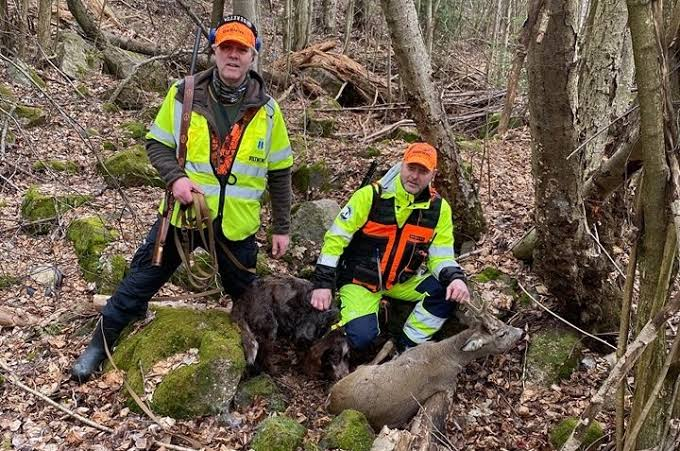
Simply put, the viltnemnda is a committee that helps municipalities manage wildlife responsibly while following Norwegian national laws.
The committee works with:
- Wildlife conservation
- Sustainable hunting
- Population management
- Habitat protection
- Public safety involving wildlife
- Local environmental planning
- Cooperation with wildlife authorities
Rather than making decisions based only on hunting interests, the viltnemnda considers ecological balance, scientific research, local knowledge, and legal requirements before making recommendations or decisions.
Its goal is to ensure that wildlife populations remain healthy while allowing people to use natural resources responsibly.
Understanding the Purpose of Viltnemnda
Many people mistakenly believe that the viltnemnda exists only to regulate hunting. In reality, its responsibilities are much broader.
Its overall mission includes balancing several important interests at the same time.
These include:
- Protecting wildlife species
- Preventing overpopulation
- Reducing conflicts between humans and animals
- Supporting biodiversity
- Managing hunting opportunities
- Conserving natural habitats
- Promoting sustainable resource use
This balanced approach is one reason Norway is widely respected for its wildlife management system.
Instead of focusing only on economic benefits or hunting traditions, the viltnemnda considers the long-term health of wildlife populations.
The History of Viltnemnda
Norway has a long history of wildlife conservation.
For centuries, wildlife provided food, clothing, and income for local communities. Hunting was an important part of daily life.
As Norway modernized, wildlife management became more organized.
Government agencies recognized that uncontrolled hunting could reduce animal populations and damage ecosystems.
Over time, new wildlife laws were introduced to protect both animals and natural habitats.
Municipal wildlife committees eventually became an important part of this system.
The creation of the viltnemnda allowed local communities to participate in wildlife management while following national conservation policies.
Today, these committees continue to adapt as environmental challenges change.
Modern concerns include:
- Climate change
- Habitat fragmentation
- Urban expansion
- Increasing tourism
- Wildlife diseases
- Road accidents involving animals
- Human-wildlife conflicts
Because these challenges vary from one municipality to another, local decision-making remains extremely valuable.
Also Read”: Pantagonar: The Complete Guide to Smarter SEO and High-Quality Backlink Building
How the Viltnemnda Fits Into Norway’s Government Structure
Understanding where the viltnemnda fits within Norway’s government helps explain why it is effective.
Norway uses a decentralized system of governance.
This means many environmental decisions are handled locally rather than entirely by the national government.
The general structure looks like this:
National Government
↓
National Environmental Authorities
↓
County Authorities
↓
Municipal Government
↓
Viltnemnda
This structure allows national wildlife laws to be adapted to local conditions.
For example:
A mountain municipality may focus on wild reindeer.
A forest municipality may focus on moose populations.
Coastal municipalities may address different wildlife concerns altogether.
Each area has unique ecological conditions, making local expertise extremely valuable.
The Main Responsibilities of Viltnemnda
The responsibilities of the viltnemnda cover a wide range of wildlife management activities.
These responsibilities often include both administrative and advisory work.
Some of the most important duties include:
Wildlife Population Management
One of the committee’s primary jobs is monitoring local wildlife populations.
This involves understanding:
- Population size
- Growth trends
- Migration patterns
- Habitat quality
- Reproduction rates
- Environmental pressures
Healthy populations require continuous monitoring rather than occasional observations.
Supporting Sustainable Hunting
Norway allows regulated hunting for several wildlife species.
However, hunting must remain sustainable.
The viltnemnda helps ensure that:
- Hunting quotas remain appropriate.
- Wildlife populations stay healthy.
- Hunting seasons follow regulations.
- Conservation goals are respected.
Sustainable hunting means today’s activities should never threaten future wildlife populations.
Protecting Wildlife Habitats
Animals cannot survive without suitable habitats.
The viltnemnda often considers how local development projects may affect wildlife.
Examples include:
- New roads
- Housing developments
- Industrial construction
- Forestry activities
- Agricultural expansion
Protecting habitats is often more effective than trying to restore damaged ecosystems later.
Reducing Human-Wildlife Conflicts
As communities expand, interactions between humans and wildlife become more common.
Examples include:
- Moose entering residential areas
- Deer damaging crops
- Wildlife crossing highways
- Predators approaching livestock
The viltnemnda works with municipalities and wildlife professionals to reduce these conflicts while protecting both people and animals.
Providing Advice to Municipal Leaders
Municipal governments frequently rely on the viltnemnda when making environmental decisions.
Committee members may provide recommendations regarding:
- Wildlife conservation
- Hunting regulations
- Habitat protection
- Environmental planning
- Wildlife monitoring programs
This expert advice helps local governments make informed decisions.
Who Serves on the Viltnemnda?
Committee members are typically appointed by the municipal government.
Membership often reflects a mix of backgrounds and experience.
Members may include people with expertise in:
- Wildlife biology
- Environmental science
- Forestry
- Agriculture
- Hunting
- Outdoor recreation
- Public administration
The diversity of perspectives helps produce balanced decisions.
Instead of relying on one viewpoint, the committee considers environmental, economic, and social factors together.
How Members Make Decisions
Good wildlife management depends on careful decision-making.
Rather than making quick judgments, the viltnemnda usually reviews multiple sources of information before reaching conclusions.
This information may include:
- Wildlife surveys
- Population estimates
- Scientific research
- Local observations
- Government recommendations
- Environmental assessments
- Historical records
Committee discussions often involve balancing different interests.
For example:
Farmers may want fewer deer damaging crops.
Hunters may support stable game populations.
Conservation groups may prioritize habitat protection.
Residents may focus on road safety.
The viltnemnda attempts to find practical solutions that serve the broader public interest.
Legal Framework Behind Viltnemnda
Every decision made by the viltnemnda must comply with Norwegian wildlife laws.
These laws establish rules regarding:
- Wildlife conservation
- Hunting licenses
- Hunting seasons
- Protected species
- Animal welfare
- Habitat management
The committee cannot simply create new wildlife laws.
Instead, it applies existing legislation to local situations.
This ensures consistency across Norway while allowing flexibility where local conditions differ.
Why Local Wildlife Knowledge Matters
One of the greatest strengths of the viltnemnda is its understanding of local environments.
National agencies cannot monitor every forest, valley, or mountain in detail.
Local committee members often understand:
- Seasonal wildlife movements
- Historical population trends
- Local habitat changes
- Community concerns
- Regional conservation priorities
This local knowledge complements scientific research.
Together, they create stronger wildlife management decisions.
The Role of Science in Viltnemnda Decisions
Modern wildlife management depends heavily on science.
Years ago, decisions were often based mostly on observations and hunting experience.
Today, scientific data plays a much larger role.
Examples include:
- GPS tracking of animals
- Population modeling
- Disease monitoring
- Habitat mapping
- Satellite imagery
- Climate research
Scientific evidence helps reduce uncertainty.
Rather than guessing population trends, wildlife managers can make decisions supported by reliable data.
Wildlife Species Commonly Managed
Different municipalities manage different wildlife species depending on geography.
Some of Norway’s most important wildlife species include:
Moose
Moose are among Norway’s most iconic animals.
Because they are large and widespread, they require careful population management.
High moose populations may increase:
- Traffic accidents
- Forest damage
- Crop losses
Balanced management protects both wildlife and public safety.
Red Deer
Red deer populations have grown in several regions.
Their increasing numbers create both opportunities and management challenges.
Healthy deer populations support hunting while contributing to biodiversity.
Roe Deer
Roe deer are smaller than red deer but are found across much of Norway.
Population monitoring helps prevent overharvesting while maintaining ecological balance.
Wild Reindeer
Wild reindeer are especially important because some populations are unique to Norway.
Protecting migration routes remains a high priority.
Infrastructure development can interfere with these natural movements, making careful planning essential.
Small Game Species
The viltnemnda may also consider management of:
- Grouse
- Hare
- Foxes
- Other local game species
Each species requires different conservation strategies based on habitat, reproduction, and population trends.
Balancing Conservation and Hunting
One reason the viltnemnda receives attention is its effort to balance two goals that sometimes appear to conflict.
On one side is wildlife conservation.
On the other is sustainable hunting.
Instead of viewing these goals as opposites, Norway treats them as complementary when managed responsibly.
Well-regulated hunting can:
- Help control populations.
- Reduce habitat pressure.
- Limit disease spread in overcrowded populations.
- Generate funding for conservation.
- Maintain traditional outdoor culture.
At the same time, conservation measures ensure hunting never threatens the long-term survival of wildlife.
This balanced philosophy has helped Norway maintain healthy populations of many important wildlife species while supporting responsible outdoor traditions.
Also Read: Masgonzola: This Luxurious Marbled Cheese, Its Flavor, Uses, Nutrition, and More
How Viltnemnda Supports Biodiversity
Biodiversity refers to the variety of plants, animals, insects, fungi, and microorganisms that live together in an ecosystem. A healthy ecosystem depends on this diversity because every species has a role to play.
The viltnemnda contributes to biodiversity by making decisions that consider the entire environment instead of focusing on only one animal species.
For example, if the population of one large herbivore grows too quickly, it may consume more vegetation than the ecosystem can naturally replace. This can reduce food sources for smaller animals and change the natural balance of forests and grasslands.
By monitoring wildlife populations and recommending sustainable management practices, the viltnemnda helps maintain healthier ecosystems over the long term.
Biodiversity also benefits people by supporting clean water, healthy forests, stable soil, and resilient natural environments.
The Importance of Accurate Wildlife Data
Good decisions require accurate information.
The viltnemnda depends on reliable wildlife data before making recommendations. Decisions based on outdated or incomplete information can lead to unexpected environmental problems.
Wildlife data may include:
- Annual animal counts
- Birth and survival rates
- Migration patterns
- Hunting statistics
- Habitat quality assessments
- Weather trends
- Reports from wildlife professionals
- Observations from local landowners
This information helps identify changes before they become major problems.
For example, if a particular species begins to decline unexpectedly, early action may prevent a much larger conservation challenge later.
How Hunting Quotas Are Evaluated
One of the most recognized responsibilities associated with the viltnemnda is helping evaluate hunting quotas.
A hunting quota determines how many animals may legally be harvested during a hunting season.
Setting quotas is more complex than simply counting animals.
The committee considers several factors, including:
- Current population size
- Population growth rate
- Habitat conditions
- Winter survival
- Food availability
- Disease outbreaks
- Previous hunting results
- Long-term conservation goals
This careful evaluation helps prevent overharvesting while allowing sustainable hunting opportunities.
The overall objective is stability rather than maximizing short-term harvest numbers.
Wildlife and Public Safety
Wildlife management is not only about protecting animals.
It also involves protecting people.
Large mammals can sometimes create safety concerns, especially near roads or residential areas.
Examples include:
- Moose crossing highways
- Deer entering urban neighborhoods
- Wildlife collisions with vehicles
- Animals searching for food near homes
These situations may result in property damage, injuries, or traffic accidents.
The viltnemnda works with local authorities to identify high-risk areas and recommend practical solutions.
Possible measures include:
- Improved wildlife crossing areas
- Better road signage
- Seasonal speed reductions
- Population management when necessary
- Public awareness campaigns
Preventing accidents benefits both wildlife and local communities.
Working With Hunters
Hunters play an important role in Norway’s wildlife management system.
Rather than viewing hunters as separate from conservation efforts, the viltnemnda often works alongside responsible hunting organizations.
Hunters frequently contribute valuable information such as:
- Wildlife observations
- Population changes
- Animal health conditions
- Harvest data
- Habitat conditions
This information supports better wildlife management decisions.
Responsible hunters also help monitor wildlife throughout the year, providing observations from areas that scientists may not regularly visit.
When managed correctly, cooperation between hunters and wildlife authorities creates better outcomes for conservation.
Working With Farmers and Landowners
Farmers and private landowners are another important group that interacts with the viltnemnda.
Agricultural areas often overlap with wildlife habitats.
This creates both opportunities and challenges.
Some common concerns include:
- Crop damage from deer
- Forest browsing by moose
- Grazing competition
- Property damage
- Wildlife fencing
- Habitat preservation
Instead of choosing one side, the committee seeks balanced solutions.
Possible approaches include:
- Population management
- Habitat improvements
- Preventive fencing
- Compensation programs where applicable
- Better land-use planning
Successful wildlife management depends on cooperation rather than conflict.
Climate Change and Its Impact on Wildlife
Climate change is becoming one of the biggest challenges facing wildlife management around the world.
Norway is no exception.
Changing temperatures affect wildlife in many different ways.
Some examples include:
- Earlier spring seasons
- Shorter winters
- Changes in migration timing
- Altered food availability
- Increased disease risks
- Habitat shifts
- More extreme weather events
These environmental changes require wildlife managers to adapt.
The viltnemnda increasingly considers climate-related information when evaluating long-term management strategies.
Flexibility has become one of the most valuable qualities in modern wildlife conservation.
The Role of Technology in Modern Wildlife Management
Technology has transformed wildlife management over the past two decades.
Today, many decisions rely on advanced scientific tools that provide much more accurate information than traditional observation alone.
Some examples include:
GPS Tracking
Scientists can follow animal movements across large landscapes.
This helps identify:
- Migration routes
- Seasonal habitats
- Breeding areas
- Human-wildlife conflict zones
Camera Traps
Motion-activated cameras record wildlife without disturbing natural behavior.
These cameras provide valuable information about:
- Population estimates
- Species diversity
- Animal activity
- Predator presence
Drones
In certain situations, drones help monitor wildlife populations, habitats, and environmental conditions.
They can quickly survey large forest areas that would otherwise require significant time and resources.
Digital Mapping
Geographic Information Systems (GIS) allow wildlife managers to analyze habitats in great detail.
Maps can identify:
- Forest health
- Wetlands
- Migration corridors
- Development pressures
These technologies support more informed decisions by the viltnemnda.
Public Participation in Wildlife Management
One strength of Norway’s environmental system is public participation.
Residents often have opportunities to share local observations and concerns.
Community involvement may include:
- Reporting wildlife sightings
- Participating in conservation projects
- Attending municipal meetings
- Supporting habitat restoration
- Providing feedback on wildlife policies
Local knowledge often complements scientific research.
People who spend years living in the same area may notice environmental changes that are difficult to detect through surveys alone.
The viltnemnda benefits from listening to these local perspectives.
Education and Public Awareness
Wildlife conservation succeeds when people understand why management decisions are made.
Education helps reduce misunderstandings and builds trust.
Many municipalities support educational efforts related to:
- Wildlife behavior
- Safe interaction with animals
- Hunting regulations
- Conservation principles
- Habitat protection
- Outdoor ethics
Better-informed communities often become stronger partners in conservation.
Education is not only for hunters or scientists.
Everyone who enjoys nature benefits from understanding how ecosystems function.
Challenges Facing Viltnemnda
Although the viltnemnda has an important role, it also faces several ongoing challenges.
Balancing Different Interests
Wildlife management rarely produces solutions that satisfy everyone.
Different groups often have different priorities.
For example:
- Hunters may prefer larger game populations.
- Farmers may want fewer animals damaging crops.
- Environmental organizations may focus on biodiversity.
- Local residents may prioritize public safety.
Finding common ground requires careful discussion and evidence-based decision-making.
Limited Resources
Municipal committees do not always have unlimited budgets or staffing.
Collecting wildlife data, monitoring habitats, and conducting research require significant resources.
Efficient planning becomes essential.
Changing Wildlife Populations
Wildlife populations are constantly changing.
Factors influencing these changes include:
- Disease
- Climate
- Food availability
- Predators
- Human development
Management strategies must adapt as conditions change.
Urban Expansion
Growing communities place increasing pressure on wildlife habitats.
Also Read: Acamento: Everything You Need to Know About Modern Home Finishing
Roads, housing developments, and commercial construction may fragment ecosystems.
Protecting important habitats while supporting community growth remains an ongoing challenge.
Common Misconceptions About Viltnemnda
Many misunderstandings exist regarding the role of the viltnemnda.
Myth: The Committee Exists Only for Hunters
Reality: Hunting is only one part of its responsibilities.
The committee also focuses on conservation, habitat management, biodiversity, research, and public safety.
Myth: Wildlife Decisions Are Based Only on Tradition
Reality: Modern decisions rely heavily on scientific evidence, environmental monitoring, and legal requirements.
Traditional knowledge is valuable but is combined with modern research.
Myth: Wildlife Management Means Increasing Hunting
Reality: Wildlife management aims to maintain balanced ecosystems.
Sometimes this involves hunting.
Other times it involves habitat restoration, conservation measures, research, or public education.
Myth: Conservation Means Never Managing Animal Populations
Reality: Conservation often requires active management.
In some situations, carefully regulated population control protects habitats and improves long-term ecosystem health.
The Future of Viltnemnda
Wildlife management continues to evolve.
Future responsibilities will likely become even more complex.
Several trends are expected to shape the future of the viltnemnda.
These include:
- Greater use of artificial intelligence for wildlife monitoring
- Improved satellite imaging
- More advanced population modeling
- Better climate adaptation strategies
- Increased community participation
- Stronger collaboration with researchers
- More digital reporting systems
- Expanded biodiversity conservation efforts
As environmental conditions continue to change, flexible and science-based management will become even more important.
The viltnemnda is well positioned to support this transition because of its combination of local knowledge and national legal guidance.
Why Viltnemnda Matters Beyond Norway
Although the viltnemnda is a Norwegian institution, its approach offers lessons for many countries.
Its emphasis on local decision-making, scientific evidence, sustainable resource use, and community involvement demonstrates how wildlife conservation can balance environmental protection with human needs.
Many nations face similar challenges involving habitat loss, climate change, and growing human populations.
The Norwegian model shows that successful conservation often depends on cooperation rather than conflict.
By combining government oversight with local expertise, wildlife management becomes more practical, adaptive, and responsive to changing environmental conditions.
Expert Perspective: What Makes Viltnemnda Effective?
One of the greatest strengths of the viltnemnda is that it does not rely on a single source of knowledge. Instead, it brings together science, legal requirements, local experience, environmental planning, and community input.
This balanced approach reduces the risk of making decisions based solely on political pressure or short-term interests. It encourages long-term thinking, which is essential for protecting wildlife populations over generations.
Another advantage is flexibility. Since each municipality faces different environmental conditions, local committees can adapt management strategies while still following national conservation laws. This combination of consistency and local decision-making is one reason Norway’s wildlife management system is widely respected.
Conclusion
The viltnemnda is much more than a local wildlife committee. It represents an important part of Norway’s commitment to sustainable wildlife management, biodiversity conservation, and responsible use of natural resources.
Through careful planning, scientific research, community involvement, and compliance with national laws, the viltnemnda helps maintain healthy wildlife populations while reducing conflicts between people and nature.
Its responsibilities extend beyond hunting to include habitat protection, public safety, environmental education, conservation planning, and long-term ecosystem management.
As climate change, urban growth, and new environmental challenges continue to reshape the natural world, the work of the viltnemnda will become even more valuable. Its balanced, science-based approach provides a practical example of how local communities and governments can work together to protect wildlife for future generations.
For anyone interested in conservation, environmental policy, or sustainable wildlife management, understanding the role of the viltnemnda offers valuable insight into one of the world’s most effective local conservation systems.
Frequently Asked Questions About Viltnemnda
Can tourists interact with the viltnemnda?
Tourists usually do not interact directly with the committee. However, visitors who hunt legally in Norway or participate in local wildlife activities may indirectly follow guidelines influenced by the viltnemnda.
Does every Norwegian municipality have a viltnemnda?
Many municipalities have a wildlife management committee or a similar administrative arrangement, although organizational structures may vary depending on local government decisions.
Can the viltnemnda stop construction projects?
The committee generally serves in an advisory or decision-making role within the legal framework of the municipality. It may recommend changes to protect wildlife habitats but does not independently control all development projects.
How often does the viltnemnda review wildlife conditions?
Reviews typically occur throughout the year, with additional assessments before hunting seasons, during wildlife surveys, and whenever significant environmental changes occur.
Does the viltnemnda protect endangered species?
Yes. Protecting vulnerable and threatened wildlife is an important part of responsible environmental management, and committee recommendations must align with national conservation laws.
Can ordinary residents report wildlife concerns to the viltnemnda?
In many municipalities, residents can report wildlife observations or concerns through local government channels, helping authorities respond more effectively to environmental issues.
Is the viltnemnda involved in wildlife rescue operations?
Wildlife rescue is generally handled by specialized authorities or emergency services, but the committee may provide guidance on broader wildlife management policies related to injured or displaced animals.