


Key Takeaways
- AI has the potential to improve hiring efficiency, but it can create trust concerns if implemented without proper transparency and oversight.
- Candidates often report feelings of bias and depersonalization when engaging with AI-driven recruitment systems.
- By balancing technology with human intervention, organizations can reduce risk and boost the appeal of their employer brand.
Artificial Intelligence (AI) is having a dramatic impact on how companies recruit, evaluate, and hire talent in today’s competitive market. Organizations are leveraging AI-powered hiring solutions to handle everything from resume screening to candidate outreach, aiming to streamline decision-making and fill roles faster. While the benefits are clear, implementing AI in hiring also introduces unique challenges, especially in the realms of trust and risk management. As businesses move quickly toward automation, striking the right balance between efficiency and fairness becomes essential to sustaining a trusted employer brand.
The integration of AI technology promises less manual labor for hiring teams and more data-driven insights. However, it has also sparked anxiety among job seekers who worry about being reduced to data points in an impersonal system. Understanding both the perceived advantages and real concerns surrounding AI-driven recruitment is necessary for organizations hoping to attract top talent and avoid reputational risk.
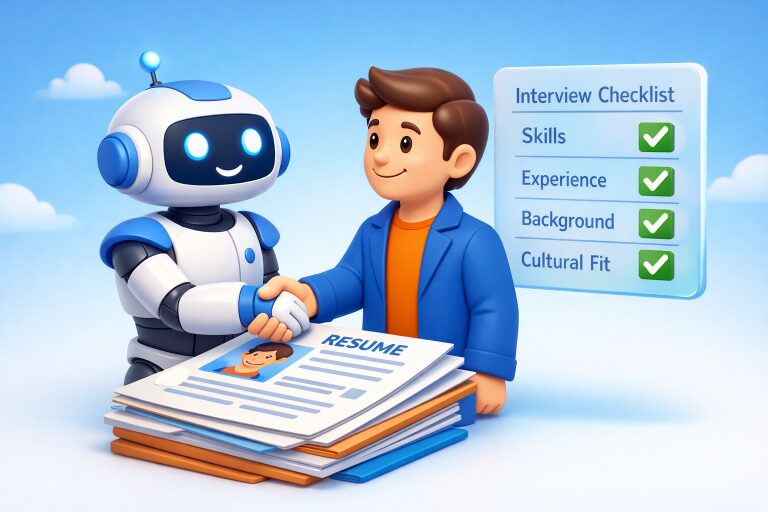
One of the most significant hurdles in AI-driven recruitment is the gap between how employers and candidates perceive these processes. Many job seekers are wary of bias or errors introduced by algorithms. Employers must be proactive in communicating the purpose and limitations of these technologies. By embedding human judgment into their hiring models, companies can alleviate many of the trust issues currently surrounding AI in recruitment.
Building and maintaining trust while managing the risks associated with AI-driven processes is not just a matter of optics. It is fundamental to making sure that hiring practices remain ethical and inclusive. As new tools and platforms are adopted, organizations that demonstrate transparency and continuous improvement will see the greatest benefits.
The Rise of AI in Recruitment
Across industries, AI is reshaping recruitment practices. Tasks that were previously time-consuming, such as resume parsing, skill matching, and interview scheduling, can now be completed in seconds with AI-powered systems. This automation is intended to reduce time-to-hire and reduce some of the administrative burden on human recruiters. Companies can also expand their reach by proactively seeking out qualified candidates across broader talent pools.
However, this rapid adoption invites scrutiny. Researchers and advocacy groups highlight the risk of automated systems amplifying unconscious biases. For instance, hiring algorithms trained on historical data may perpetuate outdated stereotypes or disproportionately filter out candidates from underrepresented backgrounds. A recent Greenhouse report detailed cases in which AI-driven screening eliminated qualified applicants due to errors or algorithmic misjudgments, underscoring concerns raised by candidates and equity advocates alike.
Job Seekers’ Trust Issues
Distrust toward AI in hiring is widespread among job seekers. According to a Gartner survey, only 26 percent of candidates feel confident that AI can evaluate them fairly. This skepticism is often linked to fears of algorithmic bias and to the perceived absence of empathy or human touch in recruitment decisions.
The anxiety is not just theoretical. Many candidates note impersonal or frustrating experiences when communicating with automated systems or receiving rejections from software with little explanation. The lack of transparency regarding decision criteria further compounds candidate frustrations. These sentiments can dissuade strong candidates from completing applications or from recommending companies as great places to work.
Employers’ Perspective on AI
For employers, AI represents an opportunity to make the hiring process more efficient and, ideally, more objective. According to Greenhouse, 70 percent of hiring managers say AI helps them make quicker and more effective decisions. They point to technology’s ability to identify potential employees at scale, reduce manual errors, and mitigate unconscious human bias.
However, the gap in perception between employers and job seekers demonstrates the need for a carefully crafted approach. When used solely to cut costs or reduce headcount, AI risks undermining the essential trust between organizations and candidates. Thoughtful leaders emphasize AI’s role as a support mechanism, not a substitute for human discernment.
Risks Associated with AI in Hiring
Relying on AI has real consequences if risks are not managed thoughtfully. First, AI systems can unintentionally reinforce existing biases, particularly when trained on flawed data. Even with the best intentions, these tools may favor candidates from specific backgrounds or educational paths, limiting employee diversity.
Another risk involves overlooking highly qualified applicants whose resumes do not fit conventional templates. Fully automated screening might miss the nuanced strengths that human recruiters identify through conversation and context. The dehumanization of the hiring process can leave candidates feeling like their unique qualifications are not valued, ultimately damaging an organization’s reputation in the marketplace. The prevalence of these concerns was highlighted in a Dice survey, which found that 68 percent of technology professionals distrust AI-driven processes, worried that their true talents will be overlooked or miscategorized.
Strategies to Build Trust
To bridge the trust gap and manage the risks, organizations should implement a mix of strategic actions:
- Ensure Transparency: Clearly spell out the use of AI in application materials and communications. Let candidates know what aspects of the process involve AI and the criteria in play.
- Maintain Human Oversight: Integrate human checks at critical stages, such as final interviews or candidate evaluations, to ensure the decision-making process remains fair and context-sensitive.
- Regularly Audit AI Systems: Schedule ongoing checks and updates to AI algorithms to monitor for bias or unintended consequences. Engage independent experts for periodic reviews and publish findings whenever feasible.
- Provide Candidate Support: Offer resources or access to recruiters who can answer questions about AI-driven processes and give meaningful feedback to rejected applicants.
Best practices on AI transparency and oversight are continually evolving. Industry watchdogs such as Harvard Business Review recommend that organizations solicit and act on regular feedback from both recruiters and candidates to refine their hiring models.
Real-Life Example: Balancing AI and Human Judgment
A leading tech company adopted AI for the initial stage of resume evaluations, quickly sorting through thousands of submissions and highlighting profiles that seemed like strong matches. Instead of letting AI dictate outcomes, the company’s recruiters reviewed the AI-shortlisted resumes and conducted in-depth interviews. This blend of technology and human discernment streamlined the process while ensuring that every qualified candidate received personalized attention, resulting in higher satisfaction among both applicants and hiring teams.
Conclusion
AI’s role in hiring is only expected to grow as organizations pursue greater efficiency and adaptability. To harness its benefits, leaders must proactively address the risks of bias, opacity, and depersonalization. Transparent practices, careful oversight, and sustained human involvement are essential for building the trust required to attract and retain diverse, high-performing teams. Those companies that strike this balance will not only secure better candidates but also safeguard their reputations in an evolving talent marketplace.
- How to Build Realistic Product Color Variants From One Photo
- How To Design Trustworthy Real-Time AI Avatars For Public-Facing Services
- TechTrendery.com: A Complete Guide to Technology, AI, Business and Digital Trends
- Jeroen Dik: Biography, JD Engineering, Automotive Tuning and Racing Career
- Osteopur: The Ingredients, Bone Health, Benefits, Safety, and What to Know